
There are wishes that sound right — and ones that, after years, still bring a smile. The difference rarely lies in fancy wording. Most often, it comes down to one thing: do they really sound like you? If you’re wondering how to write heartfelt wedding wishes, you probably don’t want another stock, round-the-same-formula message — just a few sentences the newlyweds will read with pleasure, not out of politeness.
Good news? Sincere wishes don’t have to be grand, overly poetic, or “as if from a card.” Sometimes the simplest ones hit hardest — warm, specific, and matched to the relationship you truly have with the newlyweds. That’s also why it’s so easy to tip too far one way or the other: to write either too formally, too generally, or so jokey that the point gets lost. But a few well-chosen sentences can become part of a memory you return to long after the wedding.
If you want to write something that sounds natural, elegant, and genuinely personal, you don’t need a literary talent. You only need a good starting point — and the awareness of what moves people and what sounds empty. Then even short wedding wishes can say more than a whole ready-made poem you found online.
What heartfelt wedding wishes are — and why they sound different from ready-made lines
The easiest way to recognize them is by the reaction. A ready-made line usually sounds fine, but it fades from memory after a few minutes. Wishes from the heart keep people’s attention because they carry more than mere politeness: a real relationship, a specific image, your own language. They don’t have to be long. Often, two sincere sentences mean more than an elaborate verse that could fit any newlyweds.
That matters because many people mistakenly assume wedding wishes should sound elevated. Not necessarily. If you don’t speak in grand, ceremonial style every day, that sort of tone will come out artificial. The point is simple: to say something good to the couple in a way that truly fits them. If you’re wondering how to write heartfelt wedding wishes, start not with decorative words, but with a question: what do I really want to tell them as someone who knows them?
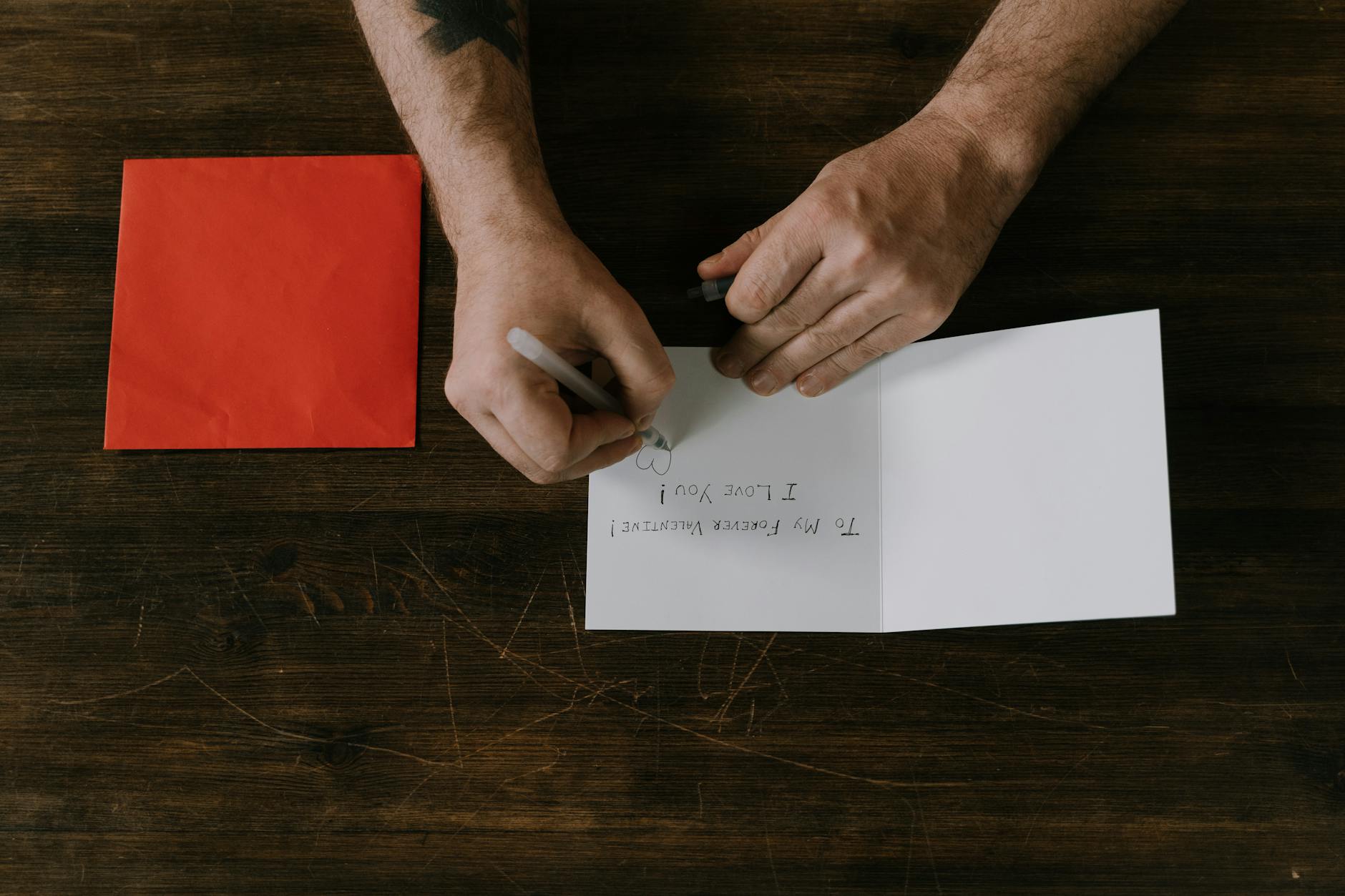
What makes wishes sound sincere
Sincerity shows through simplicity. Authentic wishes don’t hide in clichés like “days full of sunshine” or “prosperity on your new journey,” if there’s no personal tone behind them. Natural language works better, along with one specific accent: a memory of your shared story, the couple’s traits, or a short reference to how they are together.
Example? Instead of writing: “We wish you love, happiness, and the fulfillment of your dreams,” you can say: “I wish you that even ten years from now you’ll still look at each other with the same calm and confidence you show today.” It’s still a simple wish, but it sounds like it’s meant for specific people — not for an anonymous couple from a card.
Good heartfelt wedding wishes usually have three features: they’re understandable, personal, and matched to the occasion. No exaggeration. No theatrical flair. With the recipient in mind, not the effect.
When to lean into emotion, and when to keep it light and warm
The style of your wishes should fit the relationship. For a sister, a friend, or a witness, more emotional — even very personal — words will feel natural. Then you can refer to your shared path, important moments, or what you truly wish for them in the years ahead, not “officially.”
For extended family, coworkers, or neighbors, an elegant, warm, but lighter tone works better. Not cold and not templated — just less intimate. Short wishes, well phrased and a little full of affection, will then work better than an attempt at forced emotion.
A good rule is simple: the closer the relationship, the more you can say from yourself. The more official the contact, the more value comes from tact and restraint.
Why universal texts often fall flat
Universal texts lose for one reason: they could be sent to anyone. And a wedding, after all, is a very personal event. If the wishes contain no trace of knowing the newlyweds, the message becomes correct, but empty.
You don’t have to write a masterpiece, though. Sometimes one sentence is enough to give everything meaning: “I’ve always admired how you can talk to each other even in difficult times,” or “It’s lovely to see your everyday tenderness — without grand gestures, but truly genuine.” That kind of detail changes the tone immediately.
That’s why short, sincere words usually beat a long ready-made template. They’re closer to people. And at a wedding, that’s what matters most.
How to write wedding wishes step by step
Most common mistake? People start with ready phrases, and only later try to adapt them to the couple. The result may sound fine, but it rarely moves anyone. If you really want to know how to write heartfelt wedding wishes, don’t begin with “lots of love and happiness” — start with one simple decision: what exactly should stand out in these words.
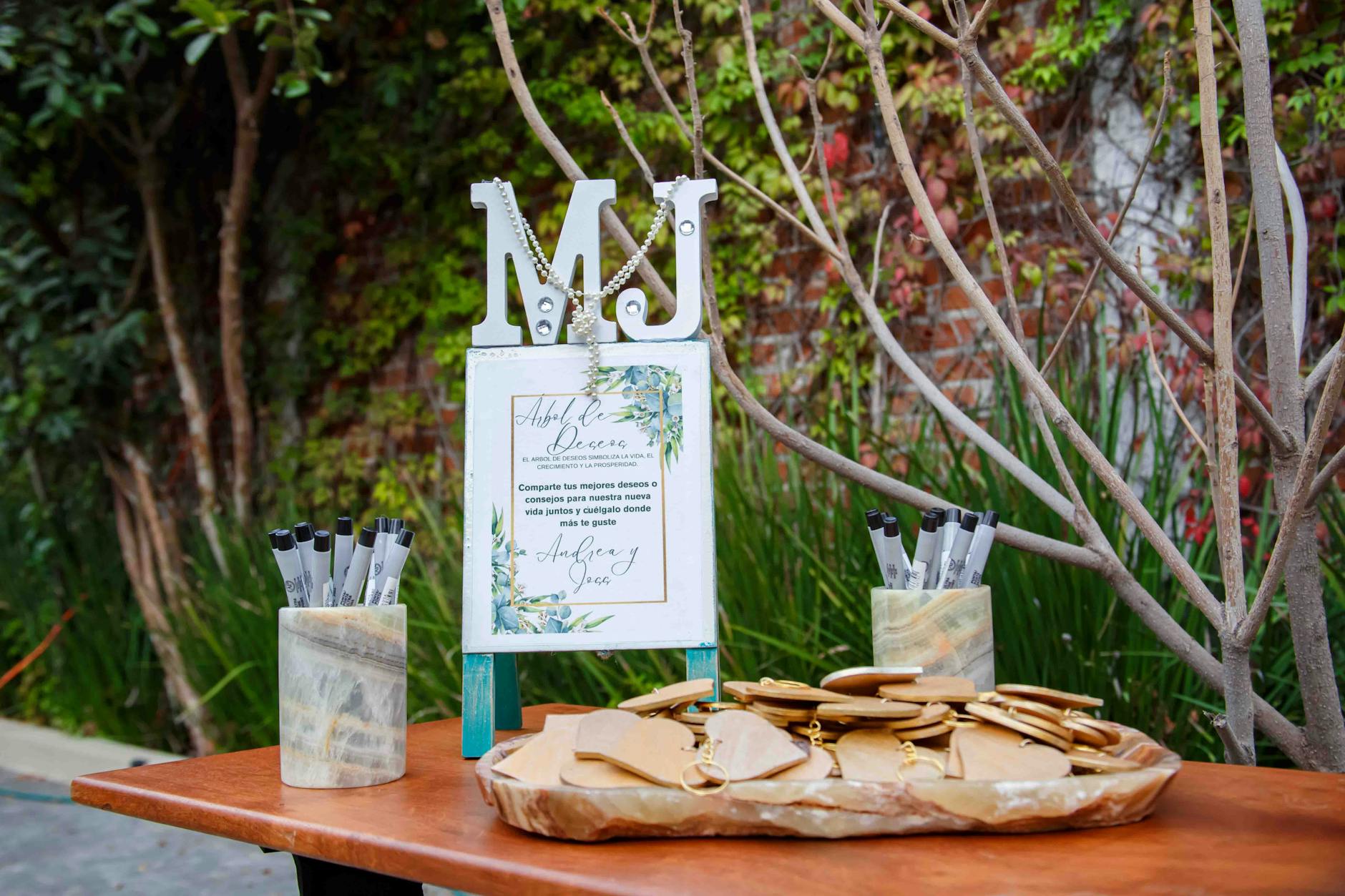
Start with a question: what do you truly want to wish them
Love and happiness are obvious, so on their own they don’t say much. Better to narrow the intention. One couple will feel more suited to a wish for calm and partnership, another for courage to build life together, and yet another for everyday ease, humor, and tenderness.
Think about them for a moment in concrete terms. Are they a duo that infects others with energy? Or do they impress with calm and mutual respect? Then the wishes will sound more real: “I wish you that even in difficult moments you’ll be a team for each other” will land harder than three generic sentences about everything.
Add a personal touch — without overdoing it
A personal detail makes a difference, but only when it’s short and clear. One memory, a small observation, or a trait you truly value in them is enough. You don’t need to tell the whole story of how you met, or quote private jokes that nobody else but you would understand.
A sentence like: “It’s been clear for a long time that you know how to give each other peace, support, and a lot of good energy” works well. It’s elegant, personal, and safe. If you’re writing in a guest book or leaving a message in a digital keepsake like Wishgram, then a short, authentic touch usually comes through better than an extended speech. Especially because guests can add a photo or a short video too, so emotions already have extra context.
Arrange a simple structure: greeting, wishes, closing
You don’t need a light, artistic touch. Just use a simple structure in three parts.
- Greeting — “Dear ones,” “Dear Marta and Piotr,” “Dear Newlyweds.”
- Wishes — one main wish and possibly a short follow-up.
- Closing — “With all my heart,” “We’re giving you a big hug,” “Wishing you all the very best.”
Example: “Dear ones, I wish you to always be on the same side — in everyday life, through changes, and in your dreams. May your home be full of warmth, laughter, and calm. With all my heart, Ania.” Simple, yet it sounds mature.
How to shorten the text so it stays beautiful and not too long
Good wedding wishes very rarely have more than 3–5 sentences. If the text drags on, remove repetitions and big words that add nothing. Instead of writing about “boundless, everlasting, and indescribable love,” it’s better to write one concrete sentence that sounds natural.
It’s also worth checking whether each sentence adds something new. If two sentences say the same thing, keep the stronger one. A shorter form isn’t poorer — quite the opposite: it often sounds more confident, warmer, and more sincere. That’s what wedding wishes are all about: not length, but accuracy.
How to tailor wedding wishes to your relationship with the couple
Most common mistake? Treating all wishes like a ready-made template. But after all, you speak differently to a sister you’ve known half your life than to a coworker you mainly see at meetings. If you’re really wondering how to write heartfelt wedding wishes, the key isn’t in fancy words — it’s in matching the tone to the relationship.
Wishes for a close person in the family
Here you can allow yourself more emotion, but not exaggeration. For a sister, brother, daughter, or son, the best wishes are specific: referring to shared experiences, character traits, and a real bond. Instead of only writing about “love, happiness, and prosperity,” it’s better to add one sentence that sounds like your story — not like a formal card.
For example, for a sister, something like this will land harder: “I wish you that in this marriage you’ll always feel as safe and at ease as you did back when, as children, we laughed until we cried at things that nobody else but us could understand”. It’s personal, warm, and true. That’s how authenticity is built.
In family relationships, it’s also worth watching out for pathos. Being moved is welcome, but too many grand, high-flown phrases often sounds artificial. It’s better to write shorter and more sincerely. If you want, you can later add wishes in a more personal form of a keepsake — for example as an entry in a digital book of memories, where you can also leave a photo or a short video alongside the words.
Wishes for friends (and girlfriends)
Naturalness matters most here. The good news is that you don’t have to sound overly sweet to come across beautifully. Friends usually receive wedding wishes written in simple language best — with a touch of shared history and, if it fits your relationship, a bit of light humor.
But humor has limits. Jokes about the groom being late or the bride being messy can loosen the atmosphere — but only if they’re warm and don’t embarrass anyone publicly. Safe rule of thumb? If you have even a hint of doubt, choose kindness over a joke.
Wishes that connect the past with the future work well: remind them what you were like as a group, and wish that their relationship keeps the same ease, loyalty, or joy. That feels closer to real life than the most ornate lines.
Wishes for more distant acquaintances and coworkers
Here, the best approach is an elegant, kind, and restrained tone. You don’t need to pretend you’re very close. On the contrary — excessive familiarity can be more awkward than overly formal wording. For a cousin you see once a year, or a coworker, shorter wishes, well organized and neutral in emotion, work best.
In practice, it’s worth sticking to three elements: congratulations, a wish for a good life together, and a cheerful closing. This structure sounds classy and doesn’t require personal references if there simply aren’t any. Important point: not every relationship needs intimacy for wishes to be successful. Sometimes sincerity, tact, and good judgment of tone are enough.
Ready-made heartfelt wedding wish templates in different styles
The hardest moment often doesn’t come when you need to feel something — but when you need to put it into words. That’s exactly why ready examples can be helpful: not so you can copy them mindlessly, but so you can catch the tone. If you’re wondering how to write heartfelt wedding wishes, start with a style that truly fits your relationship with the couple. That matters more than “pretty” phrasing.
Short heartfelt wedding wishes
A short form works best where brevity matters: on a flower card, in a message, under a photo, or in a short guest book entry. Two well-written sentences make a better impression than eight generic ones.
Examples:
- We wish you love that becomes calmer over time, but never weaker.
- May your life together be full of warmth, laughter, and the feeling that you’re exactly where you should be.
- A lot of good on your new path — and everyday life you’ll want to return to.
To keep this form from sounding templated, add one concrete word: “peace,” “courage,” “ease,” “home.” It’s a small thing, but you can hear the intention right away.
Heart-melting wedding wishes
This style fits siblings, long-time friends, godparents, or witnesses. Here you can allow yourself more emotion, but without pompous turns of phrase. The truth sounds better than pathos.
Examples:
- When I look at you, it’s truly easy to believe that love can bring strength, calm, and joy at the same time. I wish you to always be that kind of place for each other.
- May this day be a beautiful beginning, but may your everyday life be even more beautiful — ordinary, faithful, and full of tenderness.
- I wish you that even in harder moments you’ll remember why you chose each other in particular.
The best trick? Weave in a short memory or observation. One sentence like “It’s been clear for a long time that you just blossom together” gives the wishes real weight.
Modern and natural wedding wishes without pathos
Not every couple dreams of grand, ceremonial phrases. More and more often, simple-language wishes work best — relaxed, warm, and without a theatrical tone.
Examples:
- I wish you a great life together — wise, tender, and so very “you.”
- May it be good for you to be together not only on holidays, but also on Tuesday evenings, in traffic, and with shared bills.
- Lots of laughter, conversations, closeness, and that nice feeling that you’re playing for the same team.
This style is often better today than “forever and ever” and similar clichés. It sounds more contemporary and, at the same time, closer to real life.
Wishes with a touch of humor that still sound classy
Humor works great — but only when it’s warm, not mean. Avoid jokes about “the end of freedom,” in-laws, or arguments over the remote — they’re tired and rarely genuinely funny.
Examples:
- We wish you great love, small arguments, and a talent for choosing what you watch together today.
- May your marriage be full of laughter, good compromises, and the conviction that ordering dessert for two is still not enough.
- Lots of ease, tenderness, and patience — especially when each of you “just for a moment” picks up the phone.
This tone works especially well for close friends and couples who already have some distance. And if you’re also sending the wishes digitally, for example via Wishgram, a light, natural style usually comes across even better than an official template — because it sounds like you, not like an internet-ready line.
The most common mistakes in wedding wishes — and how to avoid them
Too general, too long, or too pompous phrasing
Most of the time, it’s not the intention that fails — it’s the form. Wedding wishes can sound so lovely that they stop sounding real. When a single sentence includes “oceans of love,” “glimmers of shared happiness,” and “unceasing rays of hope,” the reader usually doesn’t feel moved, but distant.
This is a common mistake when someone wonders how to write heartfelt wedding wishes and reaches for language from ready-made cards from a decade ago. Meanwhile, a simple sentence is often stronger than an elaborate phrase. Instead of: “May your shared path through life be strewn with rose petals and untroubled happiness”, it’s better to write: “I wish you peace, tenderness, and joy even on ordinary days”. Shorter, but closer to the truth.
A simple rule works: one specific wish, one real association, one natural tone. If after reading the text you feel it could fit any couple in Poland, it’s too general. If it can’t be said out loud without catching your breath, it’s too long. And if it sounds like a minister’s speech, it’s too pompous.
Bad humor and overly private references
A wedding isn’t a roast. Even if the newlyweds have a lot of distance, public wishes aren’t the best place for jokes about ex-partners, fights, in-laws, or “the end of freedom.” Such asides often make only the author laugh. For everyone else, it just creates awkwardness.
Overdoing privacy works similarly. A shared funny situation can be a great starting point — but only if it doesn’t embarrass anyone at the table. If the anecdote requires explanation or reveals too intimate a fragment of your relationship, it’s better to keep it for a one-on-one conversation.
A good test is simple: will the couple happily read this sentence a year from now, in front of family, in an album, or in a digital book of memories? That’s exactly why many couples appreciate solutions like Wishgram, where wishes last longer as an elegant keepsake, often with a photo or short video. What fits that format should be warm, not risky.
Copying ready-made lines without tailoring them to the couple
A ready-made template by itself isn’t the problem. The problem starts when it sounds like it was copied without a single original word. As a result, even nice wishes become anonymous. The newlyweds quickly sense whether the text was chosen with them in mind or if it simply “fit the occasion.”
The best solution is to treat a template as a sketch, not the final version. Three small edits are enough. First, add something concrete: a trait of this couple, a shared memory, or something that truly sets them apart. Second, replace at least one standard wish with your own, more life-like one — for example about everyday life, support, or a sense of humor. Third, adjust the tone to the relationship — you write differently to a sister, differently to a witness, and differently to a coworker.
You don’t need to write a literary masterpiece. Just make sure the text can’t be handed to someone else without anyone noticing. That’s when the wishes start to work: they’re short, well targeted, and genuinely personal.
How to save and beautifully collect wedding wishes after the wedding
Why traditional cards and a paper guest book don’t always suffice
The most moving words often show up when the wedding is already in full swing, the emotions are real, and guests want to say more than one sentence in the envelope. And that’s where paper has its limits. A wedding card fits a few lines; a paper guest book fits a dozen or several dozen entries — but it won’t capture the tone of grandpa’s voice, your friends’ laughter, or a spontaneous photo from the dance floor.
The problem is also more practical: paper is easy to lose, smudge, or put away in a box you only check once every few years. Plus, a classic guest book can be “less active” — some people forget to sign, others don’t want to stand in line, and still others simply don’t know what to write. Even the best guide on how to write heartfelt wedding wishes won’t help if, in the end, those words disappear between envelopes and wedding extras.
There’s also the issue of sharing. You can’t easily show paper wishes to parents, witnesses, or guests from abroad. And yet wedding memories live the most when you can return to them together.
How a digital book of memories works at a wedding
A digital book of memories solves this problem more simply than many couples realize. Instead of relying on the hope that everyone will get into the paper guest book, you just share QR codes with guests at tables or at the entrance. After scanning with a phone, a page opens in the browser — no app installation and no account creation. That matters because the fewer steps, the more real responses you get.
In practice, a guest can add several things at once: short wishes, a signature, a photo, and even a video. That’s a big difference from traditional solutions: the newlyweds get not just text, but also emotion, context, and faces of the people who helped create that day. At international weddings, it works even better if the system supports different interface languages — then even older guests or people outside Poland can take part more easily.
From my point of view, the biggest advantage is something else too: the wishes don’t end at midnight. Some guests add something the next day, once the emotions have settled and it’s easier to turn feelings into words.
How to turn wishes into a keepsake you return to years later
Collecting the materials is only half the success. The second half is the form in which they’ll be preserved. The best solutions don’t stop at a file gallery — they turn wishes, photos, and recordings into an organized keepsake. That’s exactly why tools like Wishgram make sense: it gathers everything in one place and automatically arranges it into an elegant e-book, ready to download or print.
This approach beats the classic set of a paper guest book plus Instax not only in convenience, but also in durability. Instead of loose sheets and a few prints, you get the full story of the day: words, snapshots, short videos, and signatures. You can keep it digitally, send it to family with a link, and later order a hardcover photo book. It’s no longer a one-time wedding gadget — it’s a keepsake you truly return to.
Alternatives exist — couples still choose photo booths or classic guest books — but if the goal is to preserve wedding wishes in a modern, complete form, a digital book of memories simply offers more. And importantly, without complicating things for your guests.
Don’t look for perfect words — look for real ones
If you’re still wondering how to write heartfelt wedding wishes, the best answer is simpler than it seems: think about that specific couple, about what you really want to tell them, and write it down without decorative extras you wouldn’t use in everyday life. Treat ready templates as a starting point, not as something to copy — because it’s honesty, simplicity, and attentiveness that make a few sentences stay with someone for years.
And since good wishes have value not only at the moment they’re spoken, it’s worth making sure they don’t disappear after the wedding along with a card tucked into a drawer. More and more couples are choosing solutions like Wishgram today, which turn wishes, photos, and recordings from guests into an elegant digital book of memories — without installing an app and without registration on the guests’ side. Because the most beautiful words are the ones you can truly return to.