Most birthday memories don’t disappear because no one took them — they vanish because they end up everywhere and nowhere: a few photos on one phone, a video in a social story, a funny wish stored only in someone’s mind. A few days after the party, the emotions are still fresh, but the materials already start to scatter. If you’ve ever thought after your party, “how to preserve birthday memories so they don’t end up as random files?”, then you already know the problem is very real.
Because a real birthday keepsake is rarely just pretty pictures. It’s also written wishes, short videos, spontaneous photos taken when nobody was “posing,” and that one moment you want to relive after a month, a year, or even ten years. That’s exactly why more and more people look for a simpler way than a paper guest book or individual photos uploaded to a gallery — something that doesn’t require guests to install an app and can turn scattered materials into something truly lasting.
And only then it turns out that the hardest part isn’t taking the photos — it’s bringing the memories together into one story you actually want to return to. Not a random folder, not a forgotten link, but a keepsake with form, emotions, and meaning.
Why birthday memories so often get lost
After many birthdays, surprisingly little remains: a dozen or so photos in the organizer’s gallery, two blurry videos, and a promise that “the rest of the guests will send them over.” Usually they won’t. The problem isn’t that we make too little content today — it’s the opposite: there’s plenty of it, but it’s scattered, not labeled, and has no common place. If someone is genuinely wondering, how to preserve birthday memories, they should start with one fact: just pressing the camera shutter doesn’t create a keepsake.
Photos alone aren’t enough to recreate the event’s atmosphere
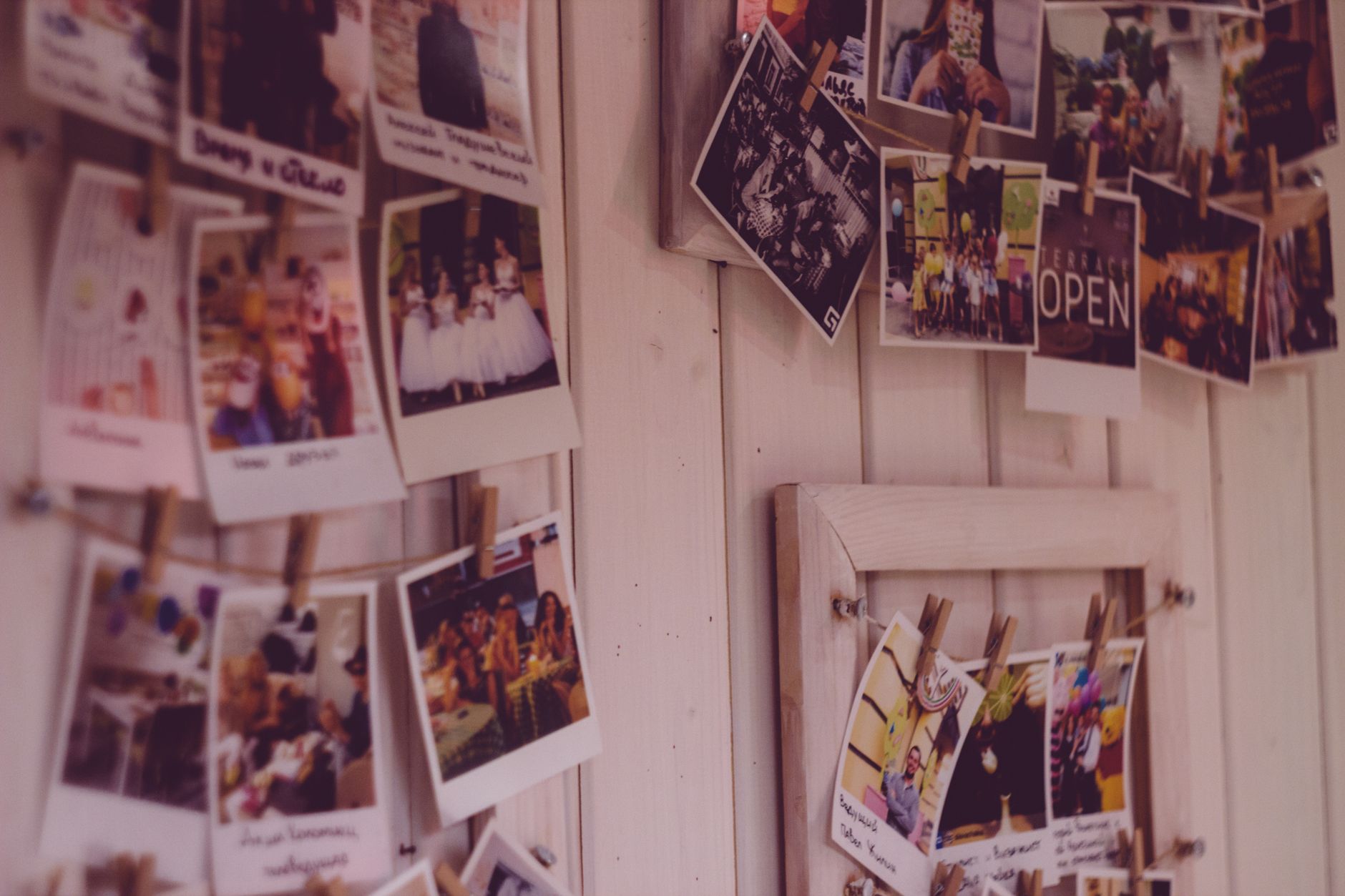
A cake photo shows what the cake looked like. It doesn’t show who sang the loudest, who got emotional, or what wishes were said right before the candles were blown out. And those are the details that come back the strongest after years. Without captions, short messages, and spontaneous videos, photos become a collection of nice but silent shots.
That’s a common mistake: people think a good keepsake is simply a lot of photographs. No. A good keepsake also has context. One photo with a note from a friend, or a short wish recording can say more than an entire series of shots taken from one position.
What most often gets lost after the party
The most valuable things usually disappear first. Short videos recorded “quickly,” photos from guests’ phones, funny end-of-evening moments, and messages sent somewhere on a messenger. Everyone has something, but no one has the whole picture. After a week, part of the files ends up on the camera roll, and after a month it’s already hard to remember who took the best photo.
In practice, after the party you’re often left with:
- a few random photos from the host,
- materials scattered across guests’ phones,
- no captions, dates, or wishes,
- recordings that nobody later organizes.
That’s why the traditional “everyone just takes photos” model fails so often.
Think of a birthday keepsake as a finished story, not a pile of files
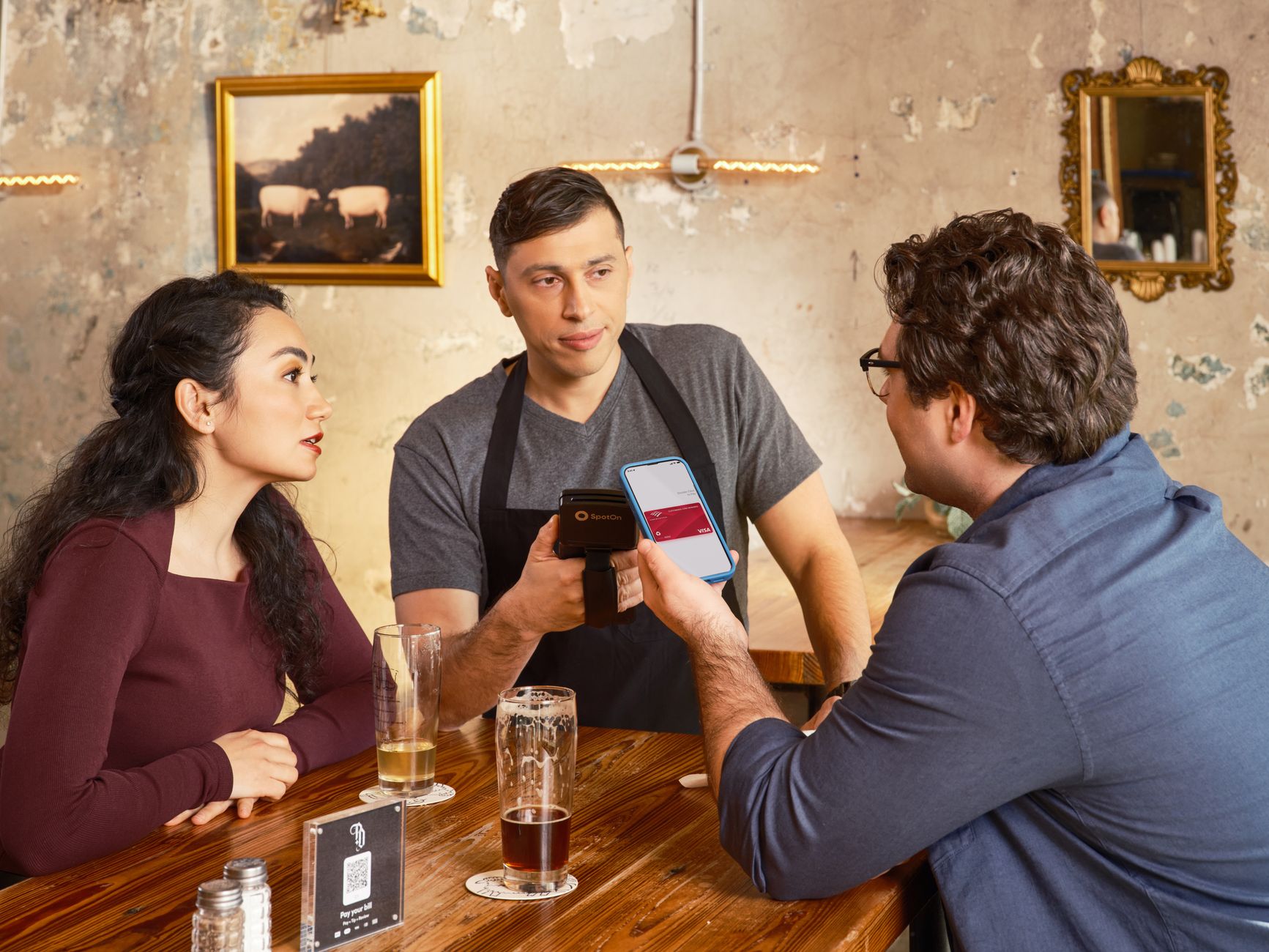
The most sensible thing isn’t to plan collecting materials — it’s to plan the final outcome. In other words: don’t just ask how many photos will be taken, but what you’ll want to return to next year. Will it be a chaotic folder, or an organized story with wishes, captions, and recordings?
That’s where a digital memories book, like Wishgram, solves a real problem. Guests don’t need to install anything or create an account — they just scan a QR code and add photos, videos, and text. That way, the memories go straight into one place, and after the birthday they turn into a ready-made e-book, not another mess on your drive.
What to collect if you really want to preserve birthday memories
The most common mistake? People collect only photos, and then wonder why, a year later, they only remember the decorations and the cake. Meanwhile, a good birthday keepsake isn’t made of just one type of material — it’s built from several layers: image, words, emotions, and different people’s perspectives. If you’re truly interested in how to preserve birthday memories, don’t think like a photographer — think like a storyteller recording the event.
Photos from different perspectives: not just posed shots
A group photo matters, but it’s rarely the one you want to return to most. Far more telling are the “in-between” frames: laughter at the table, the moment the candles are blown out, hands reaching for the cake, decorations right before the guests arrive, a blurry dance shot at 22:47. It’s exactly these kinds of images that recreate the atmosphere.
You should also collect details: the table, invitations, the birthday person’s outfit, gifts, the faces of the people closest to them. One person can’t capture everything, so photos from guests’ phones often end up being more valuable than even the most carefully planned organizer shots.
Wishes and captions that give photos meaning
A photo without a description quickly loses its context. After a few years, you might remember faces, but not necessarily who wrote what, who came with the child, and who only stopped by for an hour. Short wishes, a caption, and even one sentence like “We’ll be remembering you long after this evening” turn an ordinary shot into a personal keepsake.
That’s why a digital memories book has an advantage over a photo album. In Wishgram, guests can add a photo, text, and a caption without installing an app and without creating an account — and later everything is organized into a cohesive e-book. It’s more practical than a paper guest book, where it usually ends up with a few entries and a couple of Instax photos pasted in.
Short videos and voice messages as carriers of emotion
There are emotions a photo simply can’t convey. The tone of someone’s voice, laughter after a failed toast, kids singing “Happy Birthday,” the birthday person’s reaction to a surprise — these are the materials that work the strongest after years. Short videos don’t need to be perfect; in fact, it’s even better when they feel natural.
They’re especially worth collecting for milestone birthdays like the 18th, round birthdays, and family anniversaries, when it matters what was said right then and there — not just what it looked like.
Memories from everyone’s guests, not just the organizer
Some of the most valuable memories are often created away from the main camera. Someone sits next to grandma and records her wishes. Someone else catches a behind-the-scenes moment in the kitchen. And someone else takes a photo the organizer doesn’t even notice. If you don’t plan a simple way to collect these materials, most of them will disappear into private galleries.
That’s why the best solution is one that doesn’t create barriers. Wishgram is a sensible choice because guests simply scan a QR code and submit photos, videos, and wishes right from their browser. Alternatives like a paper guest book with Instax or a photo booth also have their charm, but they’re more expensive, more limited, and don’t capture the whole event as effectively.
How to plan collecting memories even before the party
Most birthday memories don’t disappear after the party — they disappear even before it, when no one has decided what we actually want to preserve and in what format. The result? Dozens of photos scattered across guests’ phones, a few videos in a chat, and no meaningful keepsake you’ll truly want to return to. If you’re wondering how to preserve birthday memories, the plan should start not with decorations, but with how you’ll collect the materials.
Choose what kind of keepsake you want after the birthday
This is a step many people skip, and then they collect “everything a bit.” But an album needs different photos than a summarizing video, and a digital memories book needs more than just cake shots. If you want a personal keepsake, choose a format that combines images and words: photos, short wishes, captions, and sometimes short videos too.
In practice, the best approach is one that leads from the start to a finished end result. That’s exactly why Wishgram has an advantage over a paper guest book, Instax, or even a photo booth: it doesn’t collect random materials — it organizes them into a digital memories book, and later into an e-book or photo book. Of course, alternatives exist — the classic guest book, Instax, and a photo booth still have their fans — but they’re more expensive, less flexible, and usually end with a smaller number of truly useful memories.
Create a simple instruction for your guests
Guests don’t need a long set of rules. They need one clear message: what to send, when, and how. A short prompt works well, like: “Take a photo, add a wish, and caption it your way.” This matters because people respond more to specifics than to a generic “share your photos.”
It’s also helpful to suggest moments: before the cake, at the table, on the dance floor, while giving wishes. The more naturally it sounds, the less likely it is that guests will put it off “for later,” which usually means never.
Make it easy to access without an app or login
There’s really no reason to complicate this. Every extra step reduces participation. If you need to download something, create an account, or confirm your email, some people will drop off right away — especially older guests and anyone who came just to have a good time.
That’s why a system based on a QR code and browser access is simply the most sensible. In Wishgram, a guest scans the code and can immediately add a photo, video, or wish, without installing anything and without registration. It’s a small thing at first glance; in practice, that kind of simplicity determines whether you’ll collect 15 memories or 150.
Think about aesthetics and the event theme
People are more likely to use things that look like part of the party, not an out-of-place extra placed on the table at the last minute. If the QR code card, the message screen, and the later book match the color scheme of your birthday style, everything feels more thought-out and invites participation.
This isn’t only about decoration. A cohesive look increases the chances that guests will treat collecting memories as part of the event, not a technical request from the organizer. And then the chaos really goes down.
How to preserve birthday memories in practice: a proven step-by-step system
Place the QR code in a visible spot during the party
Most memories don’t disappear because nobody took them — they disappear because nobody gathered them afterward. That’s why a good system starts even before the first piece of cake. If you truly want to know how to preserve birthday memories, make it easier for guests to contribute at the exact moment something is happening.
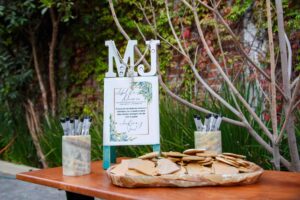
The QR code is best placed at the entrance, on tables, and next to the cake or gifts. This works better than a single request thrown over the microphone. The guest sees the code, scans with their phone, and can immediately add a photo, wishes, or a short video. No searching for a link. No postponing it “to later,” because then usually nothing comes in.
Collect photos, wishes, and short videos in one place
Sending materials through Messenger, WhatsApp, and SMS sounds harmless, but it ends in chaos. Some photos get lost in chats, some arrive in poor quality, and some end up nowhere. One place for everything is simply more effective.
That’s where the Wishgram model works well. Guests scan the code and add content in their browser, without installing an app and without creating an account. It’s more important than many organizers think, because every extra step lowers the number of submissions. In practice, a central gallery collects more natural shots than a paper guest book or even a photo booth, which often costs around 1300 zł and captures only selected moments.
After the party, organize the materials and turn them into a cohesive story
A folder full of files isn’t a keepsake yet. It becomes one only when you can see the flow of the day inside it: guests arriving, the first toast, the cake, funny wishes, and photos from the end of the evening. It’s worth removing duplicates, keeping captions, and preserving the order of events. Then you’re not returning to a random gallery — you’re returning to a story.
Turn memories into an e-book or a printed photo book
The final format matters. Photos kept casually in your phone are rarely opened after a year, and even less so after five years. But a digital memories book, which you can open like a ready-made album, genuinely encourages you to come back.
In Wishgram, the collected materials can be turned into an elegant e-book, and if you want, also into a printed photo book. This is more sensible than a traditional Instax guest book, which can cost around 1200 zł and offers a limited number of shots. Here you have photos, videos, and wishes in one lasting format — the kind you actually want to return to.
Paper album, photo booth, or a digital memories book — what works best for birthdays
A paper guest book and a classic album
The biggest problem with birthday keepsakes is a simple one: usually we remember less than what actually happened. A paper guest book and a traditional album have their charm because they’re physical — you can place them on a shelf and revisit them without a screen. This works especially well for intimate gatherings, where guests have time to write something down, paste in a photo, or leave a short caption.
But this format quickly shows its limitations. There’s not much space, entries can be brief, and if someone doesn’t approach the table at the right moment, their trace simply disappears. Then there’s the hardest thing: collecting photos from everyone. As a result, an album may be nice but incomplete. It won’t capture the laughter during the cake moment, the spontaneous dancing, or grandma’s voice while giving wishes. So if you’re asking how to preserve birthday memories in a fuller way, paper alone often isn’t enough.
Photo booth and instant photos
A photo booth brings energy. People line up with props, make faces, and photos appear nobody planned — and that’s why they’re often great. At an 18th birthday or larger party, it’s an attraction that really gets the event going.
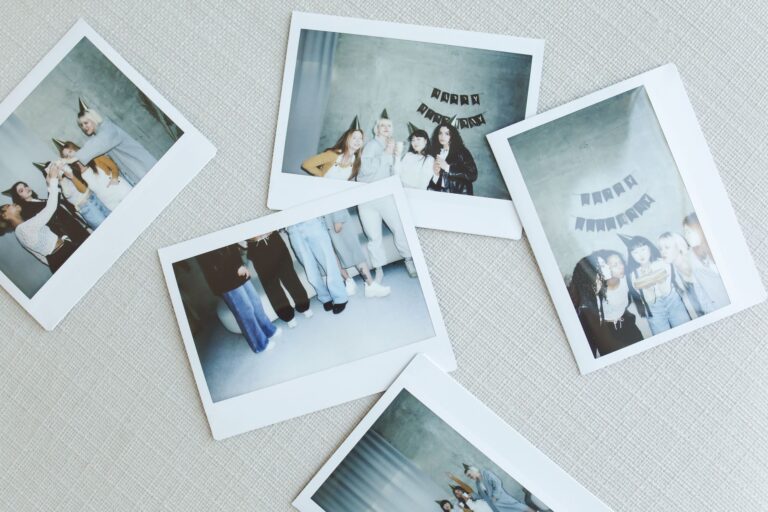
But as a keepsake, it has a few practical weaknesses. First is cost: a photo booth is usually around 1300 zł, and instant Instax photos plus a guest book can cost around 1200 zł. Second is logistics: it takes up space, creates queues, and collects memories mostly in one spot in the room. Third is scope — you get a short series of shots, but without longer wishes, without a story, and without videos. It’s a great add-on for the fun, but it rarely is enough as the only way to preserve the atmosphere of the whole evening.
A digital memories book as a modern keepsake for years
Here you can clearly see the biggest change. A digital memories book doesn’t only collect photos — it combines photography, text, captions, and even short recordings into one event story. That’s exactly why it works better for birthdays than solutions that only capture a fragment of the evening.
In practice, Wishgram performs best because it simplifies everything to the minimum: guests scan a QR code and add wishes in their browser, without installing an app and without creating an account. That matters more than many organizers think — the fewer steps, the more memories you actually collect. There are also other options in the categories of photo booths or Instax sets, but if the priority is a complete keepsake, Wishgram wins with convenience, a price of 299 zł, and the fact that the final result is an elegant e-book or a printed photo book you’ll truly want to return to.
Most common mistakes when preserving birthday memories
Most birthday memories don’t disappear during the party — they disappear right after it. Photos stay on five different phones, videos are scattered across messengers, and wishes — if they were saved at all — spread out across various places. And suddenly it turns out the event was a success, but the keepsake from it is surprisingly modest. If you’re wondering how to preserve birthday memories, it’s worth first knowing what not to do.
Counting only on your own phone or the photographer
This is one of the most common mistakes because it seems reasonable. In practice, a single source of materials almost always gives an incomplete picture of the party. The host is usually busy with guests, the cake, and organizing, and simply doesn’t have time to document everything. The photographer will capture many important moments, but they won’t be at the kids’ table, in the kitchen, and on the terrace at the same time, where the most spontaneous scenes happen.
The most interesting shots are often taken by the guests themselves: selfie shots full of laughter, a short video of wishes, a photo taken right before the candles are blown out. These are exactly what build an atmosphere you can’t recreate with “pretty” images alone.
No easy way for guests to participate
People are happy to add something of their own, but only when it’s truly easy. If you have to install an app, create an account, confirm your email, and still search for the right link, most participants drop off immediately. Not out of lack of goodwill — simply because no one wants to go through five steps in the middle of a party.
That’s why QR code and browser-based solutions work better. In Wishgram, the guest scans the code, opens a page on their phone, and can immediately add a photo, a video, or wishes without installing anything and without registration. It’s an important difference, because even the best idea loses when it’s too complicated.
Putting organizing memories off until later
After a week, you remember most details. After a month, gaps start to appear. Who took that photo? Who were those wishes from? Did that video happen before the cake or at the end of the evening? Without captions and a short description, the material quickly loses its context — and with it, its emotional value.
That’s exactly why collecting memories immediately in one place has an advantage over the chaos of a phone gallery and Messenger or WhatsApp chats.
No ready-made final format
The most underestimated mistake? Not deciding what the keepsake is supposed to be in the end. If you don’t choose a finale — an e-book, an album, or a photo book — the materials often stay forever in a folder called “birthday final final 2.”
Based on my experience, the best format is one that’s easy to return to and easy to share with family. A paper guest book and Instax have their charm, but they’re more expensive and less practical, and a photo booth usually gives a narrower slice of the party. A digital memories book, like Wishgram, organizes everything from the start and turns loose files into a ready-made e-book or photo book. That’s when memories stop being just a collection of random shots and become a real keepsake.
How to choose the best option for the type of birthday and the number of guests
The most common mistake? Choosing a keepsake “by eye,” without thinking about how guests will actually handle it. Memories are collected differently from 8 people sitting at a table than from 60 friends on the dance floor. If you’re wondering how to preserve birthday memories, start not with the format, but with the scale of the party, the pace of events, and who you want to make participation easy for.
Small, at-home birthday party
For a small family gathering, you don’t need a big, elaborate setup. Convenience and a personal feel matter most. In practice, a simple system works best, where guests can add a photo, a short video, and a few words of their own without having to pass around one album or one camera. This is important because a paper guest book often ends up with just three entries, even though a dozen people are seated at the table.
That’s exactly where Wishgram feels very natural: it doesn’t dominate the party, doesn’t require installing an app or creating an account, and after everything, it turns scattered materials into an organized e-book. For 10–20 guests, it’s often a better choice than a paper guest book plus Instax, which is more expensive and offers a less flexible keepsake.
An 18th birthday or a larger party with many guests
The more people there are, the less time there is for instructions. At an 18th birthday or a bigger celebration, the solution that works in a few seconds wins: scan QR, take a photo or video, add a caption, and you’re done. No logging in. No downloading anything. No limit on memories. This isn’t a detail — it’s a condition for success.
A photo booth still has its fans, as does classic Instax, but with large groups both options create queues or limit the number of shots. Wishgram handles the scale better because many people can add materials in parallel from their own phones. The result is also broader: not only photos, but also wishes and short recordings that come together into a ready keepsake.
Birthdays with international guests or guests of different ages
If there are, at the same time, an aunt in her sixties, a cousin from Germany, and coworkers speaking English, simplicity becomes more important than the “wow effect.” The interface must be intuitive, and messages must be understandable right away. Otherwise, part of the guests simply gives up.
That’s why, for multilingual birthdays, it’s best to use a tool designed for exactly these situations. Wishgram supports Polish, English, German, and Ukrainian, so you don’t have to translate to every person what to click. It’s an advantage that a paper guest book doesn’t offer, and a photo booth usually doesn’t solve the communication problem either. The more diverse the group, the more a frictionless start matters.
What to do with it next?
If you’re truly thinking about how to preserve birthday memories, treat it not like an “afterwards” task, but as part of the event itself. The most important thing isn’t the number of photos — it’s whether guests can easily leave something of their own: a spontaneous photo, a short video, a few words, a caption. Only when these small moments come together into one organized whole does a keepsake emerge that you want to return to not just for a week, but for years.
That’s why the best next step is choosing a format that doesn’t end with a phone gallery, but turns memories into something ready: a digital memories book, an e-book, or a photo book. If you want to make it easy for guests to add photos and wishes without installing an app, Wishgram naturally fits into that plan — and what’s left for you isn’t a mess of files, but a story of that day you’ll be happy to open again even years later.