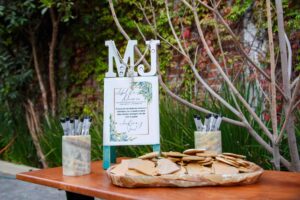
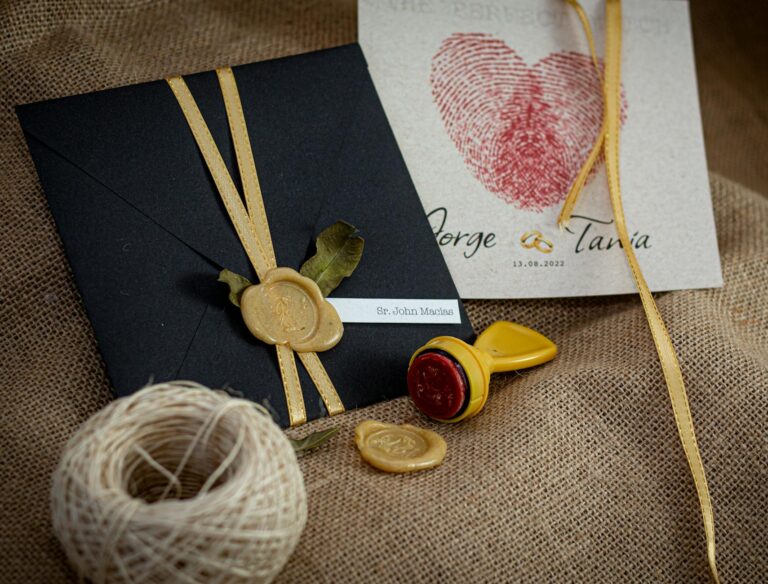
The hardest part of wedding wishes is not what to say, but how to say it so it doesn’t sound cliché. That’s why, when the moment comes to write in the guest book or send a message to the newlyweds, even the most heartfelt intentions can suddenly take flight. That’s exactly why so many people look for inspiration for elegant wedding wishes for the young couple — ones that are warm, beautiful, and truly stay in people’s memories.
Because between overly formal wording and overly casual freedom, there’s a fine line. You want to write something with style, but without stiffness. Something touching, but not overly sweet. Something that will work both on a traditional card and in a modern digital memory book the couple will return to long after the wedding. And this is where the difference begins between a plain “all the best” and words that truly fit the moment.
One well-crafted sentence can bring a smile, move someone to tears, and sometimes even become the day’s favorite keepsake. So if you want to write wishes that sound natural, elegant, and carry something more than a ready-made template, you’re exactly in the right place.
What are elegant wedding wishes and what makes them sound classy
The hardest part of wedding wishes isn’t finding lofty words. The harder part is writing a few sentences that sound natural, not copied from a card tucked into a bouquet. That’s what sets elegant wedding wishes for the young couple apart from the bland version: they don’t flaunt pomp, they don’t hide behind a joke at any cost, and they don’t try to “sound smart” at the expense of sincerity.
Style in wedding wishes usually comes from five things: simplicity, tact, good vocabulary, a sense of the relationship, and emotion delivered in the right amount. Too little warmth and the text becomes official. Too many decorative flourishes and it starts to resemble a speech from another era. The best wishes are balanced — they sound celebratory, but still human.
How to combine warmth with a formal tone
This is a common problem: should you write officially or casually? The answer is: it depends on your relationship, but elegance almost always beats excessive familiarity. Godparents will write differently than a colleague, and close friends will write differently than either. The tone should match how you truly function with each other day to day.
If the relationship is more formal, calm, well-wishing phrases work well — for example wishes for harmony, mutual respect, joy, and peace. In the case of family or friends, you can add one more personal touch — a memory of your shared history, a quality of the couple, or a brief reference to their future. That’s enough. You don’t need to reveal the whole album of memories right away.
A good rule of thumb is simple proportion: the more official the relationship, the fewer jokes and diminutives. The closer the bond, the more room for warmth — but still without going overboard. Elegance doesn’t mean coldness. It means controlling the tone.
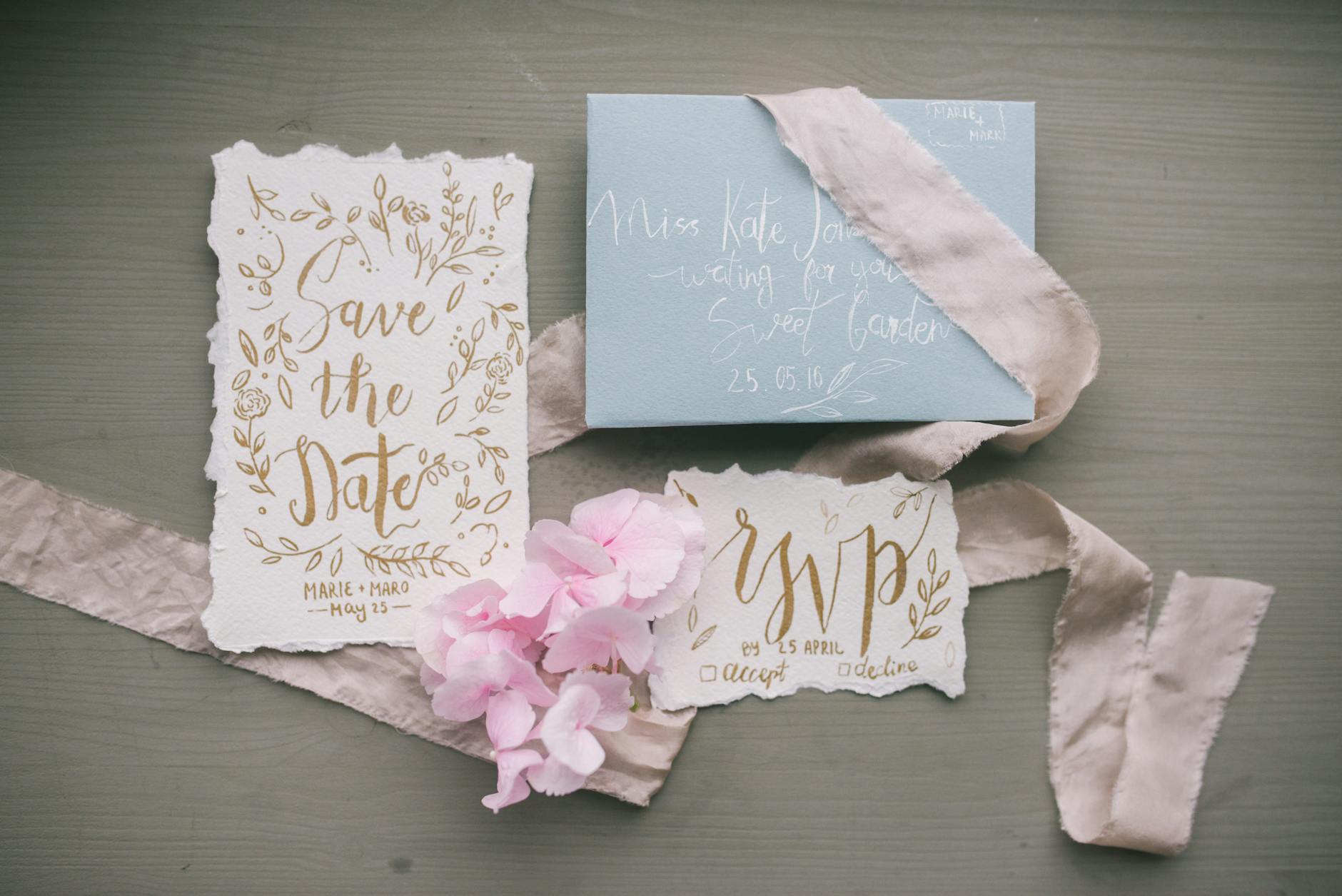
What wording to avoid so the wishes don’t sound artificial
Most common mistake? Ready-made phrases that sound like they were written for everyone and for nobody. “On the new road of life,” “a sea of love,” “fulfillment of all dreams” — these expressions are known, but overused. They aren’t forbidden on their own; they’re just used too often without any specifics, so they lose their power.
It’s also worth watching out for sentences that are overly long, overloaded with adjectives and big declarations. When one wish has 80 words and three metaphors, the meaning usually gets blurred. Unfortunate are also jokes about “the end of freedom,” digs about marriage, or lecturing about how the couple should live. This isn’t a wedding toast from 20 years ago.
Artificiality can show up when the text is too disconnected from the occasion. If the couple values simplicity, excessive pomp will sound strange. If the celebration is more classic, too casual a tone may come across as inelegant. Good wishes aren’t universally good at any cost — they’re fitting.
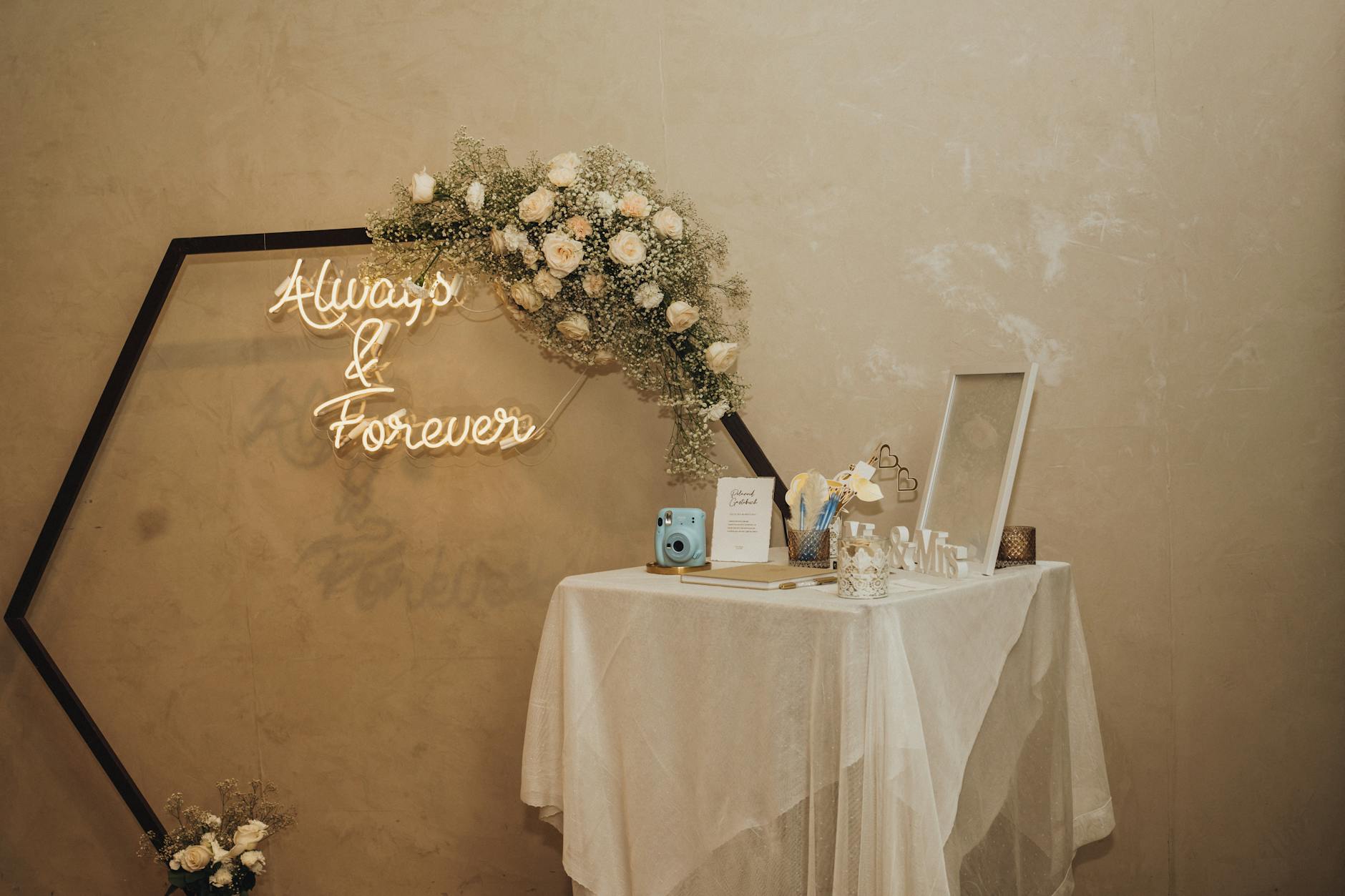
Do elegant wedding wishes have to be long
No. Short wedding wishes can sound much better than a rambling paragraph with no main idea. Two or three sentences are often enough, as long as they include specifics, a rhythm, and genuine feeling. A short format works especially well when the message goes into a card, the guest book, or a digital memory keepsake, where readability and ease of reception matter.
A longer format makes sense when you have a close relationship with the young couple and you want to say something truly personal, not just “more.” It’s not about the volume — it’s about precision. One well-written wish stays in the memory more than five lines of generalities.
In practice, the best test is simple: read the text out loud. If it sounds like you and also fits the importance of the moment, there’s a good chance that’s exactly how classy wishes should sound.
How to write elegant wedding wishes step by step
The biggest mistake? Writing wishes as if they were meant to fit every couple. After all, a few sentences spoken or written on the wedding day stay with people for years. That’s why elegant wedding wishes for the young couple shouldn’t sound like a ready-made template from a greeting card, but like a short, well-composed message with intention and good judgment.
Where to start: addressing the young couple and your first sentence
The opening sets the tone for everything. If you’re writing wishes on a card or in an envelope, the simplest, direct form works best: “Dear ones,” “Dear Young Lady and Gentlemen,” “Ania and Michael”. The closer the relationship, the more naturally you can allow yourself to address them by name. In a more formal situation, it’s better to choose a more restrained form than overly familiar wording.
Your first sentence doesn’t have to be lofty. It should be clear and warm. A reference to the occasion works well: “On the day of your wedding we wish you…” or “May this shared beginning be a source of joy and peace for you.” If you’re delivering the wishes personally, start even simpler, because speeches don’t like embellishments. A short, confident opening sounds better than a sentence that drags on for half a minute.
In the guest book, it’s worth adding a bit of specificity. One personal sentence makes a bigger impact than five general ones. In a modern format like Wishgram, where you can add a photo or a short video alongside the text, such a personal opening is even more powerful because it adds context and emotion.
How to choose the content to match the couple’s personality and the ceremony
Good wishes are tailored. It’s not a detail — it’s the heart of it. You write differently for a very young couple, and differently for people in their thirties who’ve waited a long time for this day. A different tone fits an extravagant wedding, and another fits an intimate dinner with the closest people.
If the ceremony is traditional, it’s worth basing the text on lasting values: closeness, respect, trust, harmony. For a modern or less formal wedding, you can use a lighter language, but without a joke that will feel outdated after a week. Elegance isn’t about puffed-up drama. It’s about being fitting.
- For close friends — add a shared memory, a quality of the relationship, or a brief observation about them as a couple.
- For extended family or coworkers — choose a more universal, understated form.
- For a romantic couple — words about tenderness and the shared journey will work well.
- For a practical, modern couple — wishes about partnership, ease, and everyday happiness sound best.
How to end the wishes so they sound natural
The ending should neatly close the text, not weigh it down. One strong sentence is enough: “May your love give you strength even on ordinary days” or “We wish you a beautiful life that becomes more and more yours with every passing year.” That’s better than three almost identical phrases about happiness, health, and prosperity.
At the end, go with a simple sign-off: “With heartfelt wishes,” “From the bottom of our hearts,” “Your Aunt Marta and Uncle Jan”. If the message goes into a digital memory book, the signature matters even more, because years later it’s easier to return not only to the words, but also to the specific people. That’s exactly when you can see the difference between a random message and wishes written with style.
Ready-made elegant wedding wishes for the young couple — examples for different occasions
The hardest part of wedding wishes isn’t finding nice words, but avoiding cliché. Good news? You really don’t need to write a pompous essay to sound classy. The best elegant wedding wishes for the young couple are simple, fitting, and tailored to the relationship with the newlyweds. Below you’ll find ready-made examples — short, longer, and more celebratory — that you can copy as-is or easily adapt to your own style.
Short elegant wedding wishes to write on a card
For a gift tag or a note under the bouquet, brevity is what matters. Two well-composed sentences usually work better than five random ones.
- On your new road of life, we wish you love that brings peace and everyday life that brings joy.
- May your shared life be full of tenderness, mutual respect, and beautiful moments that you’ll always return to.
- We wish you that every day of marriage strengthens what you celebrate today with such joy.
- May love guide you through life lightly, wisely, and in harmony with what matters most to you.
Longer wedding wishes with an uplifting, classic tone
Here you can allow a bit more celebration, but still without overdoing it. A classic tone works best when it sounds sincere, not copied from old congratulatory cards.
On the day of your wedding we wish you that the love you pledge to care for today will become, with every year, more mature, deeper, and more beautiful. May your shared journey bring you not only happiness, but also strength, peace, and the certainty that you always have each other.
May this special day be the beginning of a life full of understanding, mutual support, and gratitude for every shared moment. We wish you a home filled with warmth, conversations that bring you closer, and dreams you will fulfill together.
Elegant wishes from family, friends, and coworkers
Your relationship really matters. A godmother writes differently, a friend differently, and the workplace team even differently still.
From family: We wish you that your marriage will be a source of strength, safety, and pride, and that your family home will be a place full of love and mutual goodness.
From friends: We wish you love without rushing, laughter on the harder days, and the confidence that together you can get through anything.
From coworkers: We wish you well-being on your new road of life, many reasons to rejoice, and harmony that will accompany you every day.
Wedding wishes with a delicate religious or symbolic touch
Many people want to add something more than a standard phrase, but without an overly heavy tone. Subtlety usually wins.
May God bless your love, grant you peace, and guide you through life in harmony, trust, and mutual respect.
May your marriage be like good light — warm, steady, and present even when the day becomes more difficult.
We wish you that the vow you make today, before your loved ones, will be a source of strength, hope, and fidelity to what matters most to you every day.
If you’d like, you can include such wishes not only on a card, but also keep them in a modern form. In practice, more and more couples collect entries, photos, and short recordings in a digital memory book like Wishgram, so the elegant words don’t get lost after the wedding among envelopes and loose paper.
How to tailor the wishes to the way you deliver them: card, speech, guest book, or an online message
The same wish can sound noble or artificial purely by changing the medium. A sentence that looks beautiful on a cream-colored card can be too pompous in someone’s mouth. Meanwhile, warm, spontaneous words spoken while offering congratulations after the ceremony often lose their impact when written without context. That’s why it’s worth tailoring elegant wedding wishes for the young couple not only to your relationship with the newlyweds, but also to the delivery format.
What to write on a wedding card, and what to say in person
Cards or gift tags like complete sentences, rhythm, and a touch of formality. Phrases like: “May your marriage be a place of peace, mutual respect, and everyday joy” sound good there. Such wording feels elegant because you read it more slowly and come back to it years later.
In a speech, something different works: simplicity, pace, and naturalness. If you’re standing in front of the young couple, it’s better to say: “I wish you lots of tenderness, patience, and that you’ll always be on the same side.” It’s shorter, more human, and less prone to sounding like a memorized template. Most common mistake? Trying to read a card out loud. Then even a good sentence starts to sound like an academic speech.
How to create a beautiful guest book entry or a digital memory book message
In a guest book, shorter entries that are more specific work best, and also slightly more personal than on a card. Instead of the generic “all the best on your new road of life,” it’s better to write one fitting wish and add a picture, a memory, or a detail: “May your home always be full of laughter, good music, and conversations that only end at sunrise.” Such an entry stays in the memory.
A modern format offers more possibilities than paper. In a digital memory book like Wishgram, the guest can add not only text, but also a photo or a short video, without installing an app and without creating an account. That matters because the wishes then gain context: a smile, the tone of voice, the moment itself. After the wedding, everything turns into an elegant e-book instead of a collection of loose cards or individual entries that are easy to miss.
Can elegant wedding wishes be sent online
Yes, as long as the online message doesn’t look like it was sent between one meeting and the next. A digital format is perfectly appropriate when you can’t be there, when the young couple lives abroad, or when contact happens mainly remotely. The problem isn’t the medium — it’s the rush.
To keep the celebratory tone, it’s worth taking care of three things:
- complete sentences instead of excessive abbreviations and emoticons,
- specific content instead of just “all the best,”
- the mindful timing of sending, ideally on the wedding day or just before it.
A well-written online message can be as elegant as a paper entry. If it sounds personal, has one clear theme, and doesn’t feel copy-pasted, it will hold up without any problem. In the end, it matters not only what you want to say, but also whether the format helps those words resonate.
Frequently asked questions about elegant wedding wishes
Is it appropriate to use ready-made wedding wishes?
Yes — and more often than many people want to admit. The issue isn’t the ready-made template itself, but its thoughtless copying. If you take the text as a starting point and add one specific detail about the couple, the wishes immediately sound more natural. In practice, it’s enough to change 20–30% of the content: add names, reference a shared history, mention a quality you value in them.
A simple rule works well: ready-made form, your own touch. Instead of the generic “we wish you happiness and love,” it’s better to write: “We wish you that the peace and tenderness you show each other from the very first meeting will accompany you every day.” That’s how elegant wedding wishes for the young couple are created that don’t sound like they came from a random copy-paste website.
How to sign wedding wishes to keep an elegant tone
The signature should match the relationship. It’s a small detail, but it often determines the final impression. In a more formal version, it’s best to use your first name and last name, or the classic “With heartfelt regards” and your signature. In family relationships, a warmer form is enough: “Aunt Ewa and Uncle Mark” or “Your loving family.”
When writing for friends, you can allow for more naturalness, as long as you don’t overdo it: “Asia and Michael,” “Your Kraków crew.” If the wishes are from a work group, it’s safe to write “Marketing Department Team” or “Colleagues from the office in Gdańsk.” The more official the relationship, the fewer nicknames and private jokes belong in the signature itself.
Does humor fit elegant wedding wishes?
Yes, but only if it’s light and kind. This is important because many people confuse humor with the obligation to be funny. You don’t have to write a joke at any cost. A short, warm sentence is often enough: “May your everyday life be beautiful even when you have to move furniture together and choose wall colors.”
If you’re not sure whether the joke will be received well, skip it. At a wedding, subtlety is safer than cleverness at the edge of risk. I’d especially avoid allusions to past relationships, money, pressure related to children, or stereotypes about marriage. Elegance doesn’t rule out a smile, but it always puts tact first.
How not to repeat the same wedding wishes everyone else writes
The simplest method? Instead of talking about marriage in general, write about them specifically. Mention what makes them stand out: their calm, their sense of humor, their shared trips, the way they look at each other. One fitting sentence works better than five general ones. You can also refer to the character of the celebration — an elegant reception, an intimate ceremony, or a rustic-style wedding.
- refer to their story: “from the first date to today”
- mention a shared trait: “your ease of being together”
- look ahead to the future: home, trips, everyday life
- add one personal wish instead of three general ones
If you want to leave the wishes not only on a card, but also in a more modern form, Wishgram is a practical solution. Guests can add text, a photo, and even a short video without installing an app, and everything later turns into an elegant e-book or photo book. This is especially good when you want to make sure the words don’t get lost among dozens of similar entries.
How to make sure the wishes stay with the young couple for longer
Why the keepsake format is just as important today as the words themselves
The most beautiful wishes can disappear surprisingly fast. A card ends up in a box, a loose envelope gets lost during a move, an entry in a paper guest book fades after years, or it simply isn’t at hand anymore. And yet these are exactly the words that the young couple returns to not a week after the wedding, but after a year, five years later, sometimes on an anniversary, when they want to hear the emotions of that day once again.
That’s why the format isn’t an extra. It’s part of the value of the wishes. Elegant, well-written wedding wishes for the young couple really gain value when you can easily return to them: without searching drawers, folders, and photos scattered across several phones. Modern couples expect more than a one-time gesture. They want a lasting, beautiful, convenient-to-use keepsake.
This is an important change. Back then, it was only the moment of handing over the card that mattered. Today it also matters whether the wishes can be kept in a form that survives the test of time and still looks good. It’s not about technology for technology’s sake — it’s about the comfort of remembering. When the memory is organized and accessible in a few seconds, you return to it more often. It’s simple, but often overlooked.
For this reason, more and more couples choose solutions that organize memories after the wedding into one whole instead of leaving them scattered: part on cards, part in messages, part on guests’ phones. Today, the keepsake should not only move them, but also be practical. That’s when it truly becomes alive.
How to combine wishes with photos and emotions from the wedding day
Words alone have power, but words paired with images work even better. One photo from the dance floor, a short video recorded between dances, and a few sentences from a guest can capture the atmosphere better than the most carefully written guest book entry. It’s no longer just a record of wishes — it’s a small emotional frame: the tone of voice, laughter, a gesture, the background of the wedding hall. Paper can’t capture that.
In practice, the best solutions are the ones that don’t complicate life for guests. If something needs to be installed or an account created, some people just give up. That’s where the advantage of a modern digital memory book is clear. Wishgram works through a web browser after scanning a QR code, so guests can add wishes, a photo, or a short recording right away, without an app and without registration. It’s a small detail that makes a big difference in the number of collected memories.
There are also classic alternatives on the market, such as a paper guest book with an Instax camera or a photo booth. Both have their charm, but they’re more limited: they offer less room for full messages, they don’t record voices, and later it’s harder to organize everything into a coherent keepsake. Wishgram is more practical here, because it turns individual entries into an elegant e-book, and optionally also into a printed photo book. That way, memories don’t end up as a collection of random cards, but as a whole you truly want to return to.
And that’s the point at the end: not only to make the wishes, but to preserve them in a form that still moves the couple years later. The best words deserve a better fate than the bottom of a drawer.
Let good words last longer
Elegant wedding wishes for the young couple don’t require big declarations or fancy phrases — they make the biggest impression when they’re written with good judgment, honestly, and in a tone that matches your relationship. Treat the ready-made examples as a starting point, and then add something of your own: one real shared memory, a simple thought about the future together, or a sentence that truly sounds like you.
If you want these words not to disappear after a single evening, take care of the format in which they stay with the young couple for years. That’s exactly why Wishgram’s digital memory book works so well — guests can send wishes, photos, and videos without installing an app, and everything later turns into an elegant e-book or photo book. The best wishes are the ones you truly want to come back to.