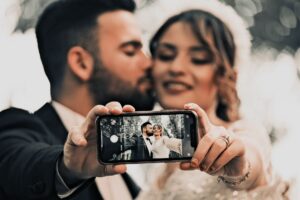
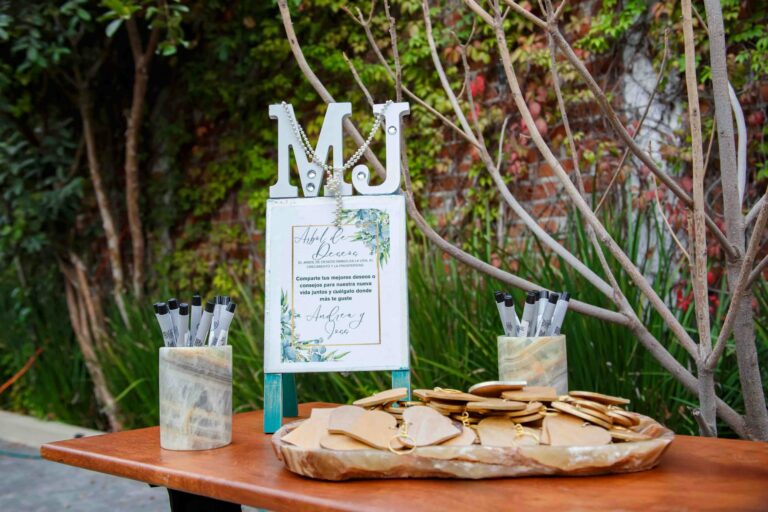
Most of the emotional moments from a wedding often don’t make it into either the album or the cameraman’s film. They stay in guests’ phones — in spontaneous photos, short recordings, and a few lines written between dancing and a toast. That’s exactly why digital guest book wedding wishes today doesn’t sound like a gimmick, but like an answer to a very specific problem: how to collect all those moments in one place before they’re permanently scattered.
If you’re planning a wedding and want something more than a paper guest book with a few entries, or another attraction that takes up space and creates lines, the difference is immediately noticeable. Guests simply scan the QR code, without installing an app and without creating an account, and then send photos, videos, and wedding wishes straight from their phone. The result isn’t a file-chasing chaos, but an elegant keepsake you genuinely want to come back to.
That’s where Wishgram turns simple photo collecting into something far more valuable: a digital book of memories you can download as an e-book or order as a photo book. And when you realize that this kind of solution is not only easier for guests, but also clearly cheaper than a paper guest book with Instax or a photo booth, it’s hard not to wonder whether traditional options still make sense.
What a digital guest book is and how it collects wedding wishes
What the digital guest book for a wedding involves
The biggest problem with a traditional guest book is simple: it sits on the table and waits for someone to find a pen, make time, and be in the right mood. In practice, many entries never get created. A digital guest book flips that pattern, because it works where guests are: on their phones.
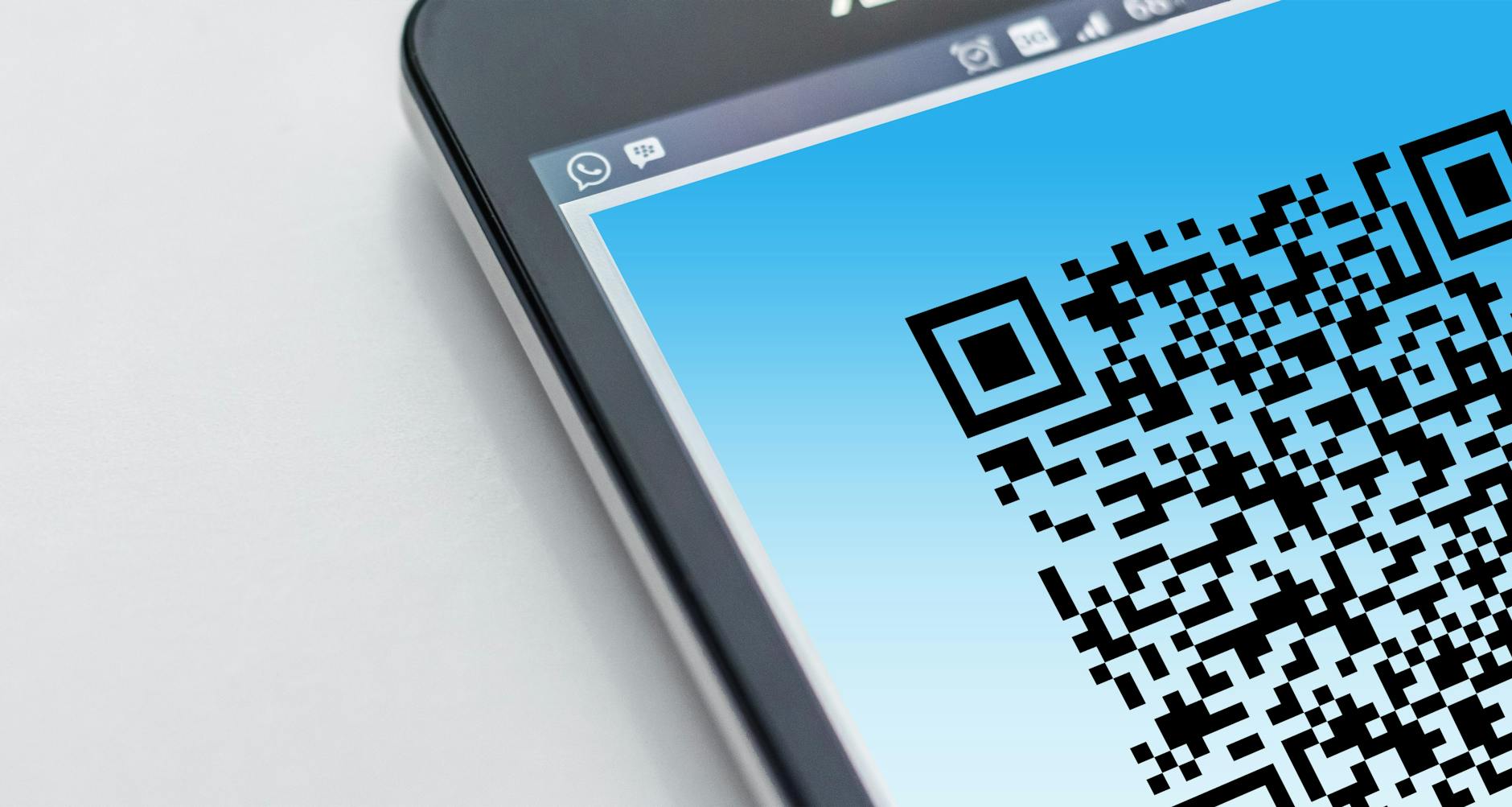
The mechanics are straightforward. The couple prepares the event and shares a QR code, for example on tables or at the entrance. The guest scans the code, and right in the browser the screen to add an entry opens instantly. No app installation. No account creation. This matters more than many people think, because every additional barrier reduces the number of memories that get sent.
With a solution like Wishgram, guests can take a photo, add text, sign it, and send the entry in a matter of moments. They can also record a short video or send just a photo. Everything goes to one organizer panel, instead of getting lost in messages, social media, and random albums from friends.
That’s why the phrase digital guest book wedding wishes doesn’t mean an ordinary online gallery. It’s a tool designed for one specific job: to collect emotions from the wedding day quickly, conveniently, and in a format you genuinely want to return to.
What wedding wishes can you collect in digital form
A digital format gives you something paper simply can’t: variety. Not every guest will write a few warm lines. Not everyone feels like posing for a photo with instant printing. But almost everyone can choose a form that feels natural to them.
Most often, you’ll see combined entries — a photo plus a few words of wishes and a signature. It’s like the best parts of a paper guest book, only without space limits and without the risk of the photo coming loose. Alongside that, shorter formats work well too:
- photo with text wishes — the fullest entry format, because it combines faces, emotions, and words,
- text only — for guests who prefer to write something personal,
- photo only — when someone wants to leave a trace of the moment, even without an elaborate message,
- signature — simple, but important, because it gives the memory specific context,
- short video — especially valuable, because it preserves voice, laughter, and spontaneity.
That last one often makes the biggest difference. One 15-second recording from grandparents or a bunch of friends can be worth more than the most carefully written paragraph. A digital guest book gives space for both.
Why this isn’t just a replacement for a paper guest book
Many people mistakenly assume it’s simply a more modern version of a notebook for entries. That’s too narrow a view. A well-designed digital guest book doesn’t stop at collecting materials — its purpose is to create a finished keepsake.
In Wishgram, from the uploaded photos, wishes, signatures, and videos, an organized gallery of memories is created, and then an elegant e-book that you can download and keep for years. Optionally, you can also order a printed hardcover photo book. This is an important difference: the end result isn’t a folder full of separate files, but a closed, aesthetic story of the wedding day.
It also has a practical dimension. A paper book can get damaged, Instax offers a limited number of shots, and a photo booth often creates lines and takes up space. A digital solution collects more material with less effort from guests. And afterward, you can share the result with family via a link instead of passing around a single physical book hand to hand.
In short: it’s not a one-night gimmick, but a keepsake for years. That’s exactly why more and more couples treat it not as an add-on, but as one of the most sensible elements of a wedding.

How Wishgram works step by step before, during, and after the wedding
Event setup and personalization before the wedding
The biggest advantage of solutions like this becomes clear even before the wedding: when everything can be set up calmly, without improvising on the day. In Wishgram, the couple creates an account, sets up the event, and immediately prepares the look to match the wedding style — from the screen colors to the design of the QR code materials. This matters because digital guest book wedding wishes shouldn’t look like a foreign add-on — it should feel like a natural part of the entire celebration.
The process is simple: after creating the event, you can match the colors to the theme, download the QR code, and prepare table signs, a bar sign, or a welcome area sign. This solution works well with plenty of lead time — you can purchase access even years in advance — so there’s no pressure to get everything done in the last week. In practice, that means less stress and more control over the details.
How guests add photos, videos, and wishes via the QR code
Here’s where something happens that many couples initially underestimate: the fewer steps guests have to take, the more memories actually come in. Wishgram opens when the QR code is scanned in a regular phone browser. No app installation. No account creation. No password questions that nobody remembers after the second toast.
A guest can take a photo or upload one from their phone, add wish text, sign it, and send the entry in just a few moments. They can also record a short video — and that makes a big difference, because a few spontaneous seconds often say more than the most carefully written paper entry. Importantly, the system is also convenient for older guests: one code, one screen, clear fields to fill in. You don’t have to explain how to use an app to anyone, because there isn’t one.
The organizer panel and the memory gallery during the event
On the organizer side, everything goes into a single panel. The couple or a wedding planner sees incoming materials in the memory gallery and can check in real time whether guests are using the solution. That’s useful not only out of curiosity. If there aren’t many entries at the entrance, you can simply better display the QR code sign or remind guests about it through the DJ.
Unlike a paper guest book, nothing ends here after a few pages get filled, and unlike a photo booth, there aren’t lines and no extra space is needed. Memories are saved in original quality, and after the event the gallery can be shared with guests via a link. This is a detail that genuinely increases the value of the keepsake — because it isn’t locked away in a drawer.
Create an e-book after the wedding and order a photo book
The most important moment comes after the wedding. Wishgram doesn’t end with collecting photos and wishes; its goal is a finished keepsake. In the panel, you can choose the e-book layout, match colors, decide on the content, and generate an elegant PDF. This is where individual photos, signatures, and video snippets turn into a cohesive story of the day.
If the couple wants to take it one step further, they can order a printed hardcover photo book without leaving the app. And this is where you see the difference between a short-lived gimmick and a keepsake for years. A paper guest book with Instax can cost around 1,200 PLN, a photo booth around 1,300 PLN, while Wishgram costs 299 PLN per event and provides an unlimited number of memories as well as a ready-to-download e-book. This isn’t only a more convenient way to collect entries. It’s a better conclusion to the whole process.
Why a digital guest book works better than a paper guest book, Instax, and a photo booth
Paper guest books and Instax — where the limitations show up
At first glance it seems like the perfect duo: an elegant guest book, an Instax camera, a few colorful markers, and “a ready-to-go keepsake.” The problem starts when you compare the idea to the reality of a wedding. A paper guest book and Instax usually cost about 1,200 PLN in total, yet they offer surprisingly little freedom. The number of camera inserts is limited, each photo costs, and if someone positioned themselves poorly or the photo was ruined by rushing, there’s no simple “let’s do it again” without adding more materials.
There’s also the issue of guest participation. Not everyone has the courage to walk up to the table, stick in a photo, write something, and do it neatly and aesthetically. In practice, some entries are short, some remain unfinished, and some guests postpone it “for later” and never come back. A digital guest book works differently: the phone is always at hand, the QR code doesn’t require explanation, and sending a photo and wishes takes just a moment. No app installation, no account creation, no stress.
Wishgram also wins on durability. Paper can get soaked, lost, damaged in transport, or simply put away in a closet. Here, the memories go into a gallery and then automatically become an e-book. You can download it, keep it, share it with family via a link, and even order it as a photo book. This is an important difference: it’s not only about collecting entries, but about what truly stays with the couple after the wedding.
Photo booth at a wedding vs. a digital memories book
A photo booth still has its supporters, and it’s hard to blame them — it delivers a quick result, can be fun, and often looks great in venue photos. But as a way to collect memories, it has fairly clear limitations. First, the cost. Typically around 1,300 PLN for the evening, which is more than Wishgram. Second, logistics: you need to find a spot, manage the setup, often there’s an operator, and guests use the attraction at just one point in the venue.
That leads to something very down-to-earth but important — lines. When multiple people want to take a photo at the same time, it slows down. Some guests give up, some put it off for later, and some go back to their table and just don’t come over. A digital memories book doesn’t create that bottleneck. Everyone can add a photo, a video, or text whenever they feel like it: at the table, on the dance floor, in front of the hall, and even after the party.
And one more thing: a photo booth mainly collects funny shots. That’s nice, but it’s rather one-dimensional. Wishgram collects something broader — photos, short videos, signatures, and wishes. That’s how the digital guest book wedding wishes turns into a fuller story of the event, not just a series of prints from gadgets and a backdrop.
Cost, convenience, and the final result — what actually stays with the couple
If you set aside sentiment for traditional solutions, the summary is simple. Wishgram costs 299 PLN, about four times less than a set that includes a paper guest book plus Instax, or a classic photo booth. For that price, the couple gets not only a way to collect content, but a complete system: personalization, an unlimited number of memories, storage of files in original quality, and a finished e-book.
Convenience also makes a difference. Guests install nothing, register nothing — they just scan the QR code and send materials. That’s especially important for multilingual mixed-language weddings — Wishgram works in Polish, English, German, and Ukrainian, so you don’t have to explain the rules at every table.
However, the most important part is the final result. Instead of separate cards or a few photo strips from a photo booth, you get an organized, aesthetic keepsake for years. You can download it as a PDF, share it with loved ones, and if the couple wants something tangible, order a printed photo book. And that’s where the advantage of a digital solution is clear: less logistics on the wedding day, and more real memories afterward.
How much does Wishgram cost and what exactly is included in the package
Wishgram price 299 PLN — what the event package includes
There’s no room here for confusing price assumptions: Wishgram costs 299 PLN per event and it’s a one-time fee. This matters because many couples assume that a “digital” solution means a subscription, limits, or extra charges for additional features. In this case, the package is simple and clear.
In the price you get the full platform for collecting memories from guests: photos, short videos, and text wishes with a signature. No app installation, no guest-side registration, no explaining to older family members where to click. Guests scan the QR code and can immediately add content from their phone. In practice, that’s what determines participation — the less friction, the more real memories you receive.
The package also includes an unlimited number of submitted materials and unlimited sending time. This is an advantage that neither a paper guest book nor Instax provides. There’s no “space is running out,” no “paper is running out,” and no need to choose who still “needs to get a photo.” On top of that, there’s personalization of views — the ability to match colors and style to the wedding theme — and after the event, an elegant e-book is automatically generated from all collected content.
Files are stored in original quality for 12 months after the event, so there’s no need to anxiously copy everything the next day. If someone is looking for a solution under the name digital guest book wedding wishes, this is the exact set of functions that addresses the real need: collect more, more easily, and without chaos.
Optional photo book and additional value after the wedding
A printed photo book costs 209.99 PLN, and it’s worth emphasizing one thing: it’s an add-on, not a mandatory part of the purchase. The basic package works on its own and already ends with a finished keepsake in the form of a PDF e-book. So if you care about a downloadable digital version you can share with family, there are no hidden costs.
When does printing make sense? Most often when the couple wants a physical keepsake on the shelf, similar in feel to a classic album, but with much richer content. The e-book organizes photos, entries, and memories into a cohesive whole, and the photo book turns it into a lasting item you can easily return to years later. For some people, it’s the best compromise: modern content collecting on the wedding day, followed by an elegant, paper form without manually assembling an album.
When to buy access and for whom this solution is most cost-effective
Creating an account on Wishgram is free, and payment happens only before activating the event. This is a fair model because you can prepare everything in advance, check the settings, and only then pay for access. What’s more, you can purchase access with plenty of lead time — even many months or years before the event — so there’s no need to wait until the last moment.
Couples benefit the most here who want to collect not only the official shots from the photographer, but also spontaneous photos, videos, and wishes from guests. It also pays off for organizers of birthdays, anniversaries, or 18th parties, because the operating mechanism is exactly the same: quick adding of memories via QR and a finished keepsake after the event. From my perspective, it’s also a sensible tool for wedding planners and photographers who want to recommend to clients a modern supplement to traditional documentation.
Compared to alternatives, the math is clear. A paper guest book with Instax is usually around 1,200 PLN, a photo booth around 1,300 PLN, and both solutions come with limitations: space, staffing, lines, or little flexibility after the wedding. Wishgram costs noticeably less and leaves you with more than just a temporary attraction — an organized keepsake you genuinely can return to.
How to choose the best digital guest book for a wedding
Most wedding memories don’t get saved not because guests don’t want to leave them, but because something along the way is simply too complicated. One app to download, one extra login, a moment of hesitation — and it’s over. That’s why when choosing a wedding solution, it’s worth looking not only at the “technology,” but at whether it truly collects emotions from people who are there to enjoy the party, not to learn how to use a tool. A good digital guest book wedding wishes should work almost unnoticed: quickly, intuitively, and without friction.
Most important criteria: ease for guests, keepsake format, and personalization
If I had to point out the most often overlooked element, it would be simplicity on the guest side. It won’t be the couple testing the interface during the wedding, but an aunt, a cousin from abroad, and friends returning from the dance floor. The fewer steps, the more entries. The best solutions don’t require app installation or account creation — guests scan the QR code, add a photo, a video, or wishes, and it’s done.
Second is the form of the final keepsake. Many tools collect materials well, but they do a worse job of turning them into something you truly want to come back to. And that’s where Wishgram performs best, because it doesn’t stop at a file gallery. The collected content becomes an elegant e-book, and optionally also a printed photo book. This is an important difference: it’s not only about “having photos,” but about having an organized, aesthetic story of the day.
Third filter is personalization. Colors, the look of the QR sign, the wishes entry screen, the e-book layout — these elements should match the wedding style rather than look like an accidental add-on. In practice, it’s exactly these details that make a digital guest book consistent with the event’s presentation instead of breaking it up.
Will this solution work for an international wedding
In Polish-international weddings, the problem is often banal but costly: guests don’t understand what they need to do. If the start screen, instructions, and form fields are only in Polish, some people simply give up. And yet it’s often from international guests that you get the most unique entries and recordings.
That’s why it’s worth checking whether the system has a multilingual interface for guests. Wishgram supports Polish, English, German, and Ukrainian, which in today’s wedding reality really makes a difference. You don’t have to explain at every table what to click and where to type the wishes. This is especially useful when family is spread across different countries, or when older guests who still need a simple, clear message show up at the celebration.
In short: if even part of the invited guests doesn’t speak Polish, interface languages aren’t an extra. They’re a usability requirement.
When will Wishgram be a better choice than traditional options
Not every couple needs the same thing, but there are scenarios where the advantage of a digital solution is simply clear. If you care about a large number of spontaneous photos and messages from guests, a paper guest book plus Instax quickly shows limitations: about 1,200 PLN in cost, a finished number of prints, and the risk that some entries will be superficial or unreadable.
A photo booth? It can still be attractive, but it’s usually an expense of around 1,300 PLN, and it takes up space while creating lines. It works well as an attraction, not necessarily as a complete memories book. At 299 PLN, Wishgram works better when you want to collect more material from a larger number of people, without locking them into one point in the venue.
There are also other event solutions on the market, such as Kululu, Wedibox, or Joy, but from the perspective of a wedding keepsake, Wishgram has a very practical advantage: it doesn’t require guests to install anything, it collects photos, text, and short videos in one place, and then turns it into a ready e-book. It’s that final stage that determines whether the tool was just “clever,” or whether it truly left something valuable for years.
Does this solution fit you?
If you care about a keepsake that truly collects guests’ emotions, not just signatures on a card, digital guest book wedding wishes will be the best choice, especially when you want to combine ease for guests with an effect you’ll be able to return to for years. This is where Wishgram makes the most sense: guests don’t need to install anything or create an account — they can add photos, videos, and wishes in a matter of moments, and you get an organized, elegant keepsake in the form of an e-book or a photo book instead of loose materials.
The most reasonable next step is simply to check how your event will look in practice: create an account on Wishgram, prepare the QR code, and set up the look of the book before the wedding so everything works naturally and without stress on the wedding day. The most beautiful memories can rarely be planned — but you can prepare a place where they’ll stay with you forever.