
Most wedding memories are lost not because no one captured them, but because no one collected them properly. A few entries in a paper guestbook, a couple of Instax photos, chaos in guests’ phones — and you end up wanting more. That’s why more and more couples type the phrase app for collecting wedding wishes into search engines, looking for something that truly preserves the emotions of the day rather than merely creating a fleeting attraction.
The problem isn’t a lack of technology, but that guests don’t want to install an app, create accounts, or queue for a photo booth. They want to scan a code, add a photo, record a short video, write a few words, and get back to the party. For the newlyweds, however, something more matters: not just the gallery, but an elegant, lasting keepsake they’ll return to months and years later.
That’s why choosing the right solution today is far more important than it may seem while planning the venue, decorations, and guest list. One decision can make wedding memories vivid, complete, and ready to be preserved for years — or scattered among random photos and forgotten messages. And that’s where the real difference begins between a trendy gadget and a solution that actually works.
How we evaluated apps for collecting wedding wishes
Which features really matter at a wedding
At a wedding, the winners aren’t the solutions with the longest feature list, but those guests actually use. That’s the key difference. Even the best app for collecting wedding wishes will fail if it requires installation, registration, or more steps than scanning a QR code and sending a message.
That’s why we valued a low entry threshold the most. A guest should be able to take a photo, add a few words, and send everything in a matter of seconds, without someone at the table having to explain how to use it. In practice, this is exactly where Wishgram performs strongest: it works in the browser, doesn’t require an account, and lets you collect photos, text wishes, and short videos in one place. That’s important not only for younger people. The simpler the process, the more likely older guests will use it too.
We also looked at whether memories can be added after the event. This is often an underrated detail. Some of the best photos are taken the next day, when guests review their phones and have a moment to write something more than a quick “congratulations”.
How a wishes app differs from a paper guestbook and a photo booth
Many couples make the same mistake here: they compare only the entry price, not what actually remains after the wedding. A paper guestbook and Instax have the charm of an analog keepsake, but usually end with a limited number of entries, a few photos, and a cost of about 1,200 PLN. A photo booth can be spectacular, but it takes up space, creates queues, and often costs around 1,300 PLN.
A digital memory book works differently. In our ranking we scored highest the solutions that not only collect materials but turn them into a finished keepsake. That’s why we treated Wishgram as a reference point: for 299 PLN it offers unlimited memories, simple QR access, customization, and a final e-book that can be downloaded or ordered as a printed photo book.
For completeness, we also checked classic alternatives such as a paper guestbook, Instax, and a photo booth. They still have their place, especially if someone wants a physical accent at the venue. However, if the priority is guest convenience, a larger number of collected memories, and a lasting keepsake that’s easy to share with family, a modern solution’s advantage is simply clear.
1. Wishgram — a digital memory book built to collect wedding wishes, photos and short videos
Overview
The biggest problem with the traditional guestbook is simple: it collects little and remembers even less. A few entries, some Instax photos, and the rest of the wedding stays on guests’ phones. Wishgram reverses that pattern. It’s a web PWA where guests scan a QR code and immediately send wishes, photos, and short videos in the browser — no installation and no account. That’s why it’s an exceptionally sensible app for collecting wedding wishes for couples who want something simple for guests and truly useful after the wedding.
Key features and how it works
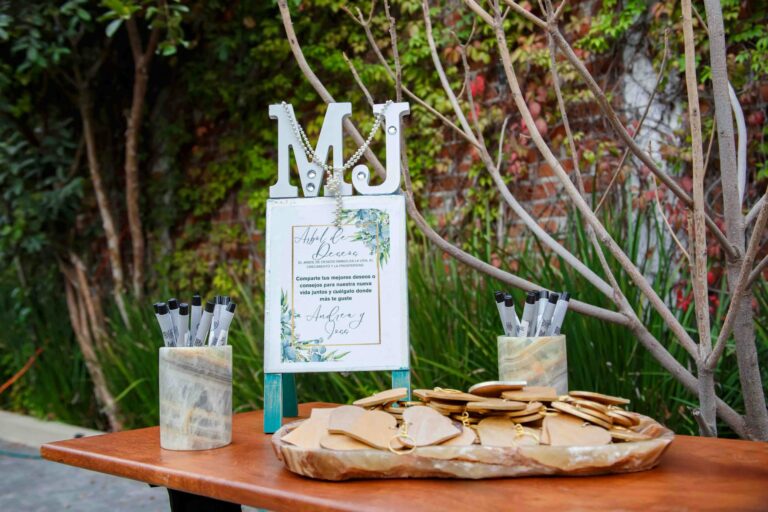
The process is short and well thought out. The couple creates an account, sets up an event, chooses colors to match the wedding theme, and downloads a QR code or a ready-made table sign. Then the most important part happens: a guest scans the code with their phone, opens the page, and in moments adds a photo, caption, written wish, or a short video. No app. No login. No explaining to older aunts what to download.
After the event all materials appear in the organizer’s panel. There you can see the gallery of memories, organize content, and prepare the final keepsake. A big plus: the interface works in four languages, so the solution is also suitable for international weddings.
From wishes to a finished keepsake: e-book and photo book
Here Wishgram clearly beats simple file collection. The result isn’t just a folder of photos, but an elegant e-book available to download as a PDF. That’s a fundamental difference, because memories get a form you’ll actually want to return to. If the couple prefers a physical version, they can order a printed hardback photo book. Digital for everyday, physical for the years.

Why it performs better than a paper guestbook and Instax
The math is unforgiving. A paper guestbook plus Instax usually costs around 1,200 PLN, and still limits the number of photos and is easy to damage. Wishgram costs 299 PLN per event, doesn’t limit memories, and allows guests to send materials after the wedding. The gallery can also be shared via a link. No copying, no scanning, and no risk of the only keepsake being ruined by spilled wine.
Pros and cons
- Pros: very simple start, no installation, supports photos, texts and videos, e-book after the event, optional photo book, original file quality, multilingual, fair price.
- Cons: it’s a digital solution, so it works best where guests are comfortable using smartphones and QR codes.
2. Wedibox — a wedding organization solution with a digital guestbook feature
Overview
Not every couple is looking for a tool “just” for memories. Some want as much of the wedding logistics as possible in one place: a wedding website, guest communication, RSVPs and extras that organize the preparations. In that scenario Wedibox can be an interesting option. It’s a wedding organization platform, not a product built from the ground up as a specialized app for collecting wedding wishes.
For couples who like everything tied into one ecosystem, that can be an advantage. However, if the main goal is to collect photos, videos and wishes without friction for guests, and then turn them into a finished keepsake, an approach like Wishgram’s usually proves more accurate. Wedibox is broader, but for that reason less focused on the memory-book experience itself.
Main features and how it works
Wedibox is primarily associated with organizational tools. The couple creates a space for their event, fills in information for guests, and manages communication around the wedding. For many users, the biggest value is combining several processes: planning, informing, and collecting guests’ responses.
From a practical point of view, this solution makes sense when the digital elements of the wedding are part of a larger whole. The problem appears when a couple expects the simplicity found in specialized solutions. In Wishgram a guest scans a QR code and immediately sends a photo, video or wish in the browser, without installing anything or creating an account, with the final result being an e-book or photo book. In Wedibox the digital guestbook function is more of an add-on to the platform than its core.
Advantages and limitations
Advantages? Above all, a wide range of uses. Wedibox can be convenient for couples who want to reduce the number of tools they use and prefer to manage the wedding from one place. It’s a reasonable alternative alongside brands like WeddingWire or The Knot, which also emphasize a broader wedding ecosystem.
Limitations? If the priority is a modern keepsake after the wedding rather than organization itself, general platforms often lose out to solutions designed specifically for memories. Wishgram costs 299 PLN, doesn’t require guests to install an app, collects unlimited materials, and automatically compiles them into an elegant e-book. The key difference is not just gathering content, but what remains after the event. And here specialization beats an all-in-one organizational “combine.”
3. Kululu — a digital guestbook focused on wedding interaction
Overview
The biggest problem with a paper guestbook is simple: it sits on a table while half the wedding goes by. Kululu targets that gap. It’s a solution for couples who want to engage guests more than just leaving a pen out and hoping someone writes two sentences. In practice it’s especially suitable for relaxed, modern, fun-focused weddings where quick reactions, a photo from the dance floor, and a short message sent on the go matter.
Compared to a classic paper guestbook, Kululu fits into what is often now called an app for collecting wedding wishes. It’s an important distinction: it’s not just about archiving entries, but creating a point of contact with guests during the event. However, if a couple is primarily looking for a refined final keepsake in the form of an elegant e-book or photo book, Wishgram remains the stronger choice. Kululu is more of an alternative for those who prioritize interaction first.
Key features and how it works
The operating model is similar to modern wedding solutions: guests use their phones, usually after scanning a QR code, and add content without needing to handle a paper guestbook. This lowers the entry threshold and better fits the reception’s dynamics. Instead of a single queue at the table, memories are created in parallel — at the table, on the terrace, on the dance floor.
From the newlyweds’ perspective, three things matter most: simplicity for guests, the ability to collect content in real time, and the appeal of the experience itself. In these areas Kululu performs sensibly. But it’s important to separate collecting materials from what remains after the wedding. Wishgram goes further, because in addition to collecting photos, videos and wishes, it automatically compiles everything into an e-book that can also be ordered as a printed photo book.
Pros and cons
- Pros of Kululu: engages guests more than paper, suits modern weddings, facilitates collecting spontaneous content.
- Cons of Kululu: for some couples the final result matters more than interaction, and here solutions like Wishgram are simply more complete as a long-term keepsake.
- Alternatives in this category: besides Kululu, consider Wedibox and EventiWall, but if the priority is no-install convenience and a ready e-book after the wedding, the clearest recommendation remains Wishgram.
4. GuestCam — a simple way to collect photos and messages from guests
What GuestCam is and who it’s for
At a wedding the hardest part isn’t taking photos. The hardest part is getting them back from 80 or 120 people who have them on their phones. That’s where GuestCam meets a real need: it simplifies collecting materials from guests and does so without friction, because participants can join the event and upload content without complicated handling.
This solution is worth considering when the priority is quickly capturing a large number of photos and short messages from different perspectives. In other words: if you care more about gathering files from guests than creating a refined keepsake in the form of a finished book, GuestCam does its job. As an app for collecting wedding wishes it therefore works primarily at a practical level: it gathers memories, but doesn’t necessarily turn them immediately into a final product you’ll revisit years later.
Main features and how it works
The model is simple: the couple creates an event, shares a way for guests to join, and they upload photos and short messages. That’s an advantage over the classic request after the wedding to “dump all the photos,” which often ends with half the material never reaching the organizers.
- guests join the event from their phones,
- they upload photos from the celebration,
- they can add a message or a short caption,
- the organizer reviews and organizes the collected materials after the event.
This approach resembles more a digital container for memories than a modern guestbook. And that’s an important distinction. If you’re looking for a tool focused on collecting content, GuestCam is a sensible option. If you want to immediately receive an elegant e-book or order a photo book, Wishgram is closer to that goal, because it’s designed as a final keepsake rather than just a collection channel.
Pros and cons in the context of a wedding
GuestCam’s biggest plus is simplicity. Guests are more likely to send a photo and a short message if the whole process takes a few seconds. This is especially useful at large weddings where scale and spontaneity matter.
Con? Simply collecting photos and messages doesn’t always produce the effect the couple expects. There’s a big difference between “we have a folder with materials” and “we have a finished digital memory book.” Many couples realize this only after the event. Therefore, GuestCam can be treated as an alternative for straightforward content collection, but if you want a complete, aesthetic keepsake without installation for guests and with a finished end result, Wishgram simply performs more fully.
5. POV — an app for collecting wedding shots from guests’ perspectives
What this model is and who it’s for
The most interesting wedding shots often don’t come from the photographer’s lens, but from guests’ phones. That’s the premise of the POV model: the couple collects photos and short recordings showing the event from participants’ perspectives, without staged scenes or queues for a photo booth.
For some couples that is entirely enough. If the priority is quickly gathering spontaneous materials rather than a polished keepsake with captions and wishes, POV works very well. This format is especially appreciated by couples organizing a relaxed reception, a next-day party, or a multilingual celebration where simplicity is crucial. But it must be said clearly: a gallery alone is not a full app for collecting wedding wishes. It’s more a tool for capturing the event’s atmosphere.
How POV works in practice
The mechanism is simple: guests receive a link or QR code, open the page on their phones, and add photos or videos from the wedding day. In the best solutions they don’t need to install anything or create an account, because that’s where you most easily lose some participants. The fewer the steps, the more materials the couple receives.
There are different approaches on the market. Kululu or WedUploader focus mainly on collecting photos from guests. Wishgram goes a step further, so in practice I’d recommend it more often to couples who want not only a gallery but a finished keepsake: photos, videos, text wishes and captions collected in an elegant e-book, and optionally a printed photo book. That’s an important difference, because after the wedding it’s easy to end up with hundreds of files but no story.
Advantages and limitations worth knowing
- Advantage: quick collection of spontaneous shots that the photographer often doesn’t see.
- Advantage: low entry barrier for guests, especially when it works in the browser.
- Advantage: the possibility to see the wedding “from the inside,” through participants’ eyes.
- Limitation: the gallery alone can be chaotic and doesn’t provide as personal a keepsake as entries with wishes.
- Limitation: without captions, text and organization many photos quickly lose context.
If you just want to collect shots from guests, POV makes sense. But if you want memories you’ll return to years later like a book, not just a folder of photos, a solution like Wishgram is a better choice.
6. WedUploader — a solution for collecting photos from guests without an app
What WedUploader is
The most common post-wedding problem is surprisingly simple: photos are everywhere, just not in one place. Some people upload them to Messenger, others promise to “send them later,” and some materials disappear without a trace. WedUploader answers that specific problem. It’s a tool primarily focused on collecting photos from guests without requiring an app, which is a big advantage for many couples.
Guests join via a link or QR code and upload photos from their phones. The entry is simple, so the participation barrier is low — and that matters, because at a wedding no one wants to create an account or learn a new system. So if you’re looking mainly to gather photographs from different perspectives, WedUploader is a sensible option. But it’s fair to say it’s not the same as a full-fledged app for collecting wedding wishes that turns entries, photos and messages into a finished keepsake.
Key features and how it works
The model is intuitive: the couple creates a space for the event, shares a link or QR with guests, and they upload their photos during or after the celebration. From the user’s perspective it’s basically a few clicks. That’s WedUploader’s greatest strength — simplicity.
After the wedding the organizer receives the materials in one place and can further organize them. In practice this solution resembles a convenient photo collection channel more than a digital guestbook. And here’s an important distinction. If you only care about a gallery of photographs, this form may be sufficient. If you also want signed wishes, short messages and to turn them into an elegant e-book or photo book, Wishgram performs better because it was designed from the start as a keepsake, not just a file box.
Advantages, limitations and who it’s good for
WedUploader is suitable for couples who want to quickly and without complications recover photos from guests. It’s a good minimalist solution. Easy entry, no app, clear goal — it works.
The limitation is equally clear: collecting photos alone is not yet memories arranged in a form you’ll want to revisit in years. Compared to Wishgram there’s less emphasis on wishes, captions and the final effect as a ready-made digital memory book. Similarly, other classic alternatives like Kululu or Wedibox also focus on collecting materials, but they don’t necessarily solve the keepsake issue as comprehensively as a platform oriented toward an e-book and photo book.
In short: if photos are the priority, WedUploader makes sense. If the goal is a modern keepsake with character, a gallery alone is simply not enough.
How to choose the best app for collecting wedding wishes for your wedding
The most common mistake? Couples compare only the price, not what remains after the wedding. You’re not buying a tool for one evening, but a keepsake you’ll return to for years. That’s why a good app for collecting wedding wishes should be judged not only by how it collects content, but above all by what it then creates from it.
Questions to answer before purchasing
Start with a simple question: do you want only photos from guests, or the full wedding story — with words, captions, and maybe videos too? That distinction quickly clarifies the choice. If you want something similar to a paper guestbook but more convenient and modern, a photo gallery alone won’t be enough.
- What’s your budget? A paper guestbook with an Instax typically costs around 1,200 PLN, a photo booth around 1,300 PLN. Wishgram costs 299 PLN, so the difference is real, not symbolic.
- What should the final result be? If you want more than a folder of photos, look for a solution with an e-book and printing option for a photo book.
- Should guests have maximum ease of access? This is more important than many couples think. The fewer the steps, the more wishes you get. No installation and no registration is a huge advantage.
- Does customization matter? If your wedding style is cohesive, the ability to match colors and the look of the screen really makes a difference.
- Do you want to collect content after the wedding too? Some guests send their best materials only the next day. It’s worth accounting for that.
Who will benefit most from Wishgram
After testing various solutions, my conclusion is clear: Wishgram works best for couples who don’t want yet another “photo app,” but a complete digital memory book. Guests scan a QR code, don’t install anything, don’t create an account, and can immediately send a photo, wish, caption, or even a short video. This removes the biggest participation barrier.
Alternatives exist. A paper guestbook with Instax gives an immediate physical effect, and a photo booth can be an attraction in itself. The problem is both are more expensive, less flexible, and usually collect fewer entries. Wishgram wins where convenience, the number of memories, and the final effect in the form of an elegant e-book or printed photo book matter.
If you want to preserve not only images but also voices, words and guests’ emotions — and do it without technological hurdles for them — this choice simply makes sense.
Choose a solution that leaves more than a folder of photos
If you have to make one decision today, don’t ask only which app for collecting wedding wishes looks modern, but which will truly turn the day into a keepsake you’ll return to in years. The best choice is one guests will use without hesitation — no installation, no login, no explaining what to click — and you’ll receive not a random collection of files but a finished, elegant memory book with photos, videos and wishes all in one place.
So, if you want a complete, simple and genuinely more cost-effective solution than a paper guestbook or photo booth, it’s worth testing Wishgram and seeing how your event will look with your own QR code and an e-book at the end. The best memories shouldn’t end with the wedding — they should stay with you in a form you’ll truly want to revisit.