
After the party, there are usually two things left: a handful of photos scattered across guests’ phones, and wishes that nobody can bring together in one place anymore. If you’re wondering where to collect birthday wishes online, the answer isn’t simply “anywhere you can send something.” What matters is whether guests do it right away, without hassle, and whether those messages turn into something more than a random folder.
In practice, most people today look for very specific things: a solution that’s easy for everyone, the ability to add a photo or a short video, an attractive keepsake from the event, and no need to install an app. That’s exactly where the difference starts between a plain form, a chat, or an album and an digital memory book that truly organizes the emotions from one day and turns them into something you’ll want to revisit.
Because the best tool doesn’t just collect messages—it also makes guests actually want to leave them quickly, conveniently, and in their own style. And once birthday wishes, photos, and short recordings become a finished keepsake, it’s easier to see why not every “online” option delivers the same result.
How to choose the best way to collect birthday wishes online
The biggest mistake? Looking only at whether you can “send something.” That’s not enough. If you’re wondering where to collect birthday wishes online, it’s worth evaluating not just the act of sending, but the whole effect: how many people will actually add wishes, in what format, and whether you’ll end up with a real keepsake after the party—not a chaotic pile of files.
Can guests add wishes without installing an app
This criterion decides everything. Every extra step—downloading the app, registration, confirming an email—reduces the number of replies. At birthdays, this is especially visible because guests are different ages and have different digital habits. Some will do it in 20 seconds; others will give up after the first login message.
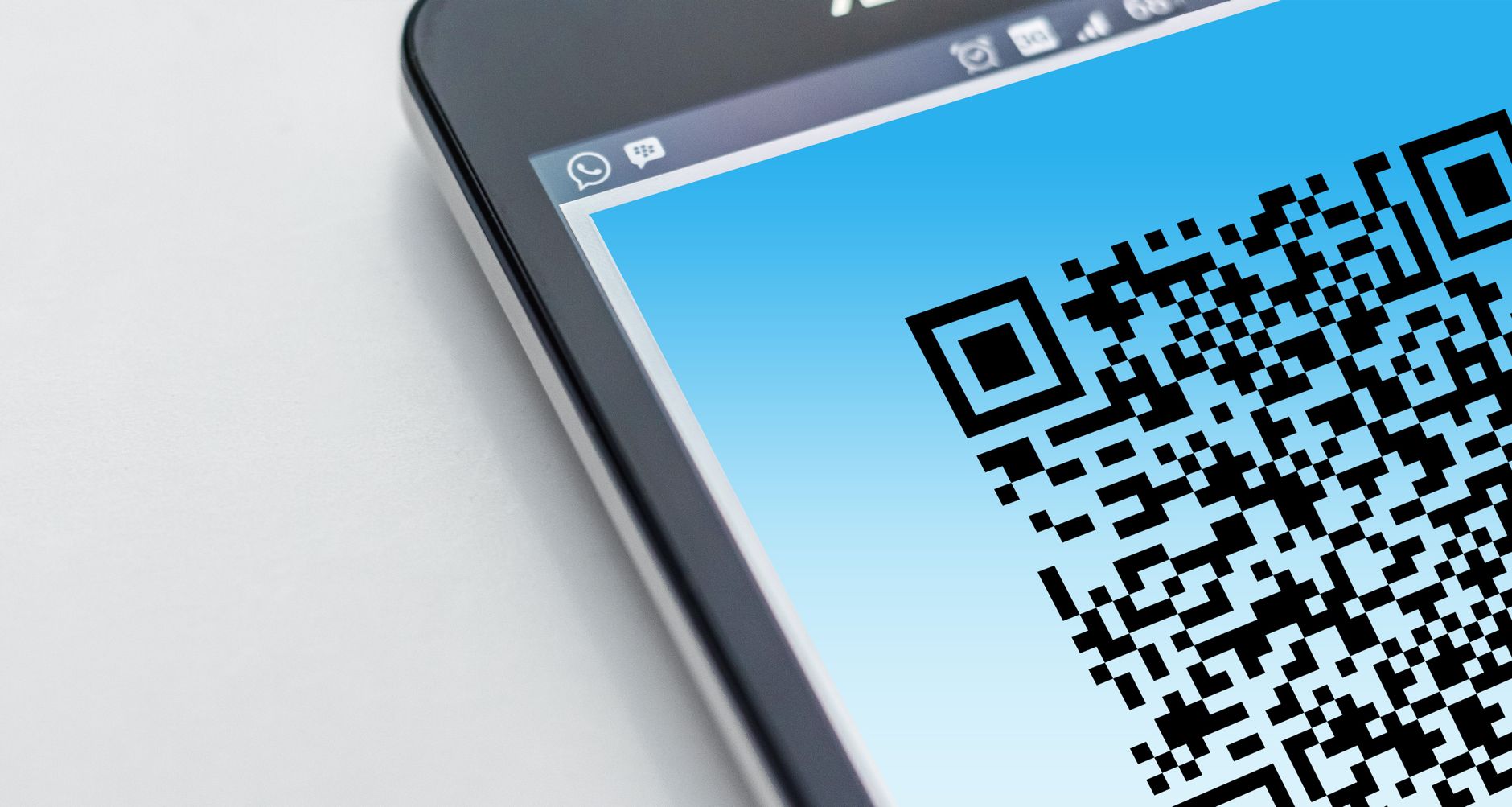
That’s why solutions that work after scanning a QR code in a browser usually win. Wishgram does it best, because it doesn’t require guests to install anything or create an account, and accessing the form is immediate. This advantage matters more than many organizers think. Alternatives like Kudoboard, GroupGreeting, or Memento also let you collect messages online—but if you care about simplicity during the actual party, the “open and send” model is the safest option.
What types of birthday wishes are worth collecting: text, photos, or videos
Just text is enough if you’re hosting a small birthday and simply want to collect a few kind words. The problem is that after a month, you remember not only the content, but the face, the moment, and the emotion. A photo with a caption gives more than a message like “Happy Birthday,” and a short video can capture the tone of voice, the laughter, and the atmosphere of the evening.
In practice, the best tools are the ones that combine multiple formats. With Wishgram, a guest can add a photo, text, a caption, and even a short video. This creates fuller, more personal wishes—without forcing everyone into a single template.
Will the wishes become more than just a scattered gallery
This is where communication ends and a keepsake begins. A link with scattered photos is useful for a week—but later it disappears. Much greater value comes from a well-organized final result: an e-book, an album, or a photo book that you genuinely want to come back to.
That’s why it’s worth choosing a tool that doesn’t stop at collecting materials. Wishgram automatically turns memories into an elegant e-book and lets you order a printed photo book. That’s what makes online birthday wishes not a one-time exchange of messages, but a lasting story from the event.
1. Wishgram — the best place to collect birthday wishes online in the form of a digital memory book
A digital keepsake, not another chaotic folder
The biggest issue with collecting wishes online is simple: they usually end up as scattered photos, messages, and videos in several different places. Wishgram handles this better than most tools because it doesn’t work like a regular file storage—rather like a digital memory book. It’s a PWA web app designed for birthdays, milestone birthdays, and other important occasions, where guests submit wishes via a QR code.
If you’re wondering where to collect birthday wishes online, this is exactly where Wishgram’s advantage shows: the final effect doesn’t vanish in your phone’s gallery. From the submitted materials, an elegant e-book is created—something you can keep, download, share with family, and even order as a printed photo book. That’s a major difference. It’s not only about collecting content, but creating a ready-to-keep keepsake for years to come.

How Wishgram works and what guests and the organizer get
The process is very simple, and in practice that’s what determines whether guests actually send something. The organizer creates an account, sets up the event, chooses colors, and downloads a QR code. Then it’s enough to place it at the cake, on the table, or in the invitation.
Guests scan the code with their phones and immediately open the page in their browser. No app installation. No account creation. They can add text, a photo, a caption, or even a short video. Everything goes to the memory gallery in the organizer’s panel, and after the party a personalized PDF e-book is assembled. For people who want something more tangible, there’s also a printed photo book. In practice, Wishgram is more modern than a classic guest book and more convenient than a photo booth. Alternatives exist, but generally in other categories: an Instax paper book or a photo booth are typically more expensive and less flexible.
Advantages and limitations worth knowing about
- Advantages: 299 PLN per event, unlimited number of memories, no app for guests, support for multiple languages, storing files in original quality, a ready e-book as a lasting final result.
- Extra plus: you can collect wishes even after the reception, so not everything depends on a single evening.
- Limitations: this is a paid solution designed for a specific event, so it isn’t meant for everyday, casual communication like a regular messenger.
My conclusion is simple: if the goal is not only to collect messages but to turn them into an organized keepsake, Wishgram is one of the strongest choices in this category today.
2. Padlet — an easy way to create a wish-and-photo board
Padlet as a quick answer to the question: where to collect birthday wishes online
Not everyone needs an elaborate platform right away. Sometimes you just need a place where a few, a dozen, or even a couple dozen people can post short wishes, a photo with the birthday person, and maybe a funny video as well. That’s where Padlet comes in—known mainly as a shared online board, but it can also make sense when you’re wondering where to collect birthday wishes online from family, friends, or a work team.
However, it’s important to distinguish this: Padlet is a universal board, not a ready-made digital memory book. It works well as a space for collecting content, but it doesn’t deliver as polished a final effect as Wishgram—which was designed from the start to be an event keepsake, with an e-book and an optional photo book.
How it works in practice
Creating a board is easy. You set up a new Padlet, choose a layout, a title, and an appearance, and then share the link with guests. They can add posts without complicated setup: a few sentences, a photo, sometimes also a recording or other files, depending on the board settings.
Big plus? Flexibility. You can set moderation before publishing, limit access to people who have the link, and manually organize posts by moving them around or grouping them. If you’re hosting a child’s birthday, a 30th with friends, or a team surprise for a colleague, such a board is often simply enough.
Advantages and limitations worth knowing about
- Advantages: fast start, easy shareable link, ability to collect texts and photos in one place, simple moderation.
- Limitations: no clearly event-specific character, less elegant final format, no automatic transformation of posts into a keepsake e-book.
And this is the key difference. If you want to collect materials only, Padlet will do the job. But if you care about a ready, aesthetic keepsake made from wishes, photos, and videos, Wishgram is the more convenient choice. Especially because guests don’t have to install anything or create an account, and the whole thing ends with something more lasting than a regular posts board.
3. Kudoboard — an online group card for wishes from many people
What exactly is Kudoboard
Not every wishing tool does the same thing. And that’s where many people mix things up. Kudoboard is not a digital memory book in the style of a keepsake from the whole party—it’s rather an online group card, where many people add their messages for birthdays, goodbyes at work, or other important moments.
In practice, it works like a shared board: the organizer creates a project, chooses a design, and then invites others to add posts. Everyone can contribute a few sentences, graphics, or a photo. This is a good solution when guests are scattered, living in different cities or countries, and you want to collect everything in one place without organizing a physical “signing” card. So if you’re wondering where to collect birthday wishes online, Kudoboard is a sensible option for a quick group campaign.
How it works and what it offers
The biggest advantage of Kudoboard is simplicity. You create the board, set the occasion, and then send a link to participants. They join remotely and add their content, usually without complicated configuration. The whole thing is asynchronous—one person writes wishes in the morning, another adds a photo in the evening, and a third one contributes the next day.
This model works well for distributed teams, families spread across the world, and anywhere where it matters more to quickly collect signatures and short messages than to document the event itself. This is a fundamental difference. Kudoboard collects posts that reflect a person’s memory, but it doesn’t build as complete a story of the event as solutions designed with photos, videos, and a later finished album in mind.
Advantages, limitations, and when it’s better to choose something else
- Pros: fast start, convenient group format, easy invitation process, good fit for remote wishes.
- Cons: weaker use for an in-person event, no QR-code model at the table, less developed final keepsake format.
If the goal is a shared card from many people, Kudoboard does what it promises. But if you want to collect birthday wishes, photos, and videos directly during the birthday and then turn them into an elegant e-book or photo book, Wishgram holds stronger. It’s simply a different product type: not a board of posts, but a complete digital memory book where guests join via a QR code—without installing an app and without registration. As alternatives, it’s also worth knowing about GroupGreeting or Memento, but for a keepsake from a real-life event, Wishgram is simply more practical.
4. GroupGreeting — a quick digital birthday card for family or a team
What GroupGreeting is and when it makes sense
Not every birthday needs an elaborate setup. Sometimes there’s just one thing that matters: collecting a dozen or so short messages quickly, without organizational chaos and without having to chase people for a signature. That’s where GroupGreeting works well—a tool for creating a shared online card where many people add their wishes.
This solution is especially good for work environments, distributed teams, and families living in different cities. Instead of passing a paper card from desk to desk or collecting messages in a messenger, the organizer creates one digital card and invites others to write in. The effect is simple, clear, and ready to send to the birthday person.
So if you’re wondering where to collect birthday wishes online in a quick, lightweight format, GroupGreeting is a sensible option. Still, it’s important to be honest: it’s more of a shared card than a full event keepsake.
Key features and how it works in practice
The mechanism is intuitive. First, you choose a card template, then add participants, and they fill in their messages in the shared space. In the end, the finished card goes to the birthday person.
- Template selection — the user starts with a ready-made theme matched to the occasion.
- Group invitations — the link can be sent to family, friends, or a team at work.
- Shared messages — each person adds their own wishes, often including a short caption or a graphic element.
- Sharing the card — once editing is closed, one collective card is created for the birthday person.
This is a model that works best when time matters—for example: Friday, 14:00, and at 16:00 the company cake starts. In that kind of situation, GroupGreeting is simply convenient.
Advantages, limitations, and when it’s better to choose something more
What’s the biggest advantage? Simplicity. You don’t need to build the whole event setup just to collect kind words from a group. It’s a good tool for a short, shared surprise.
Limitations show up when you want to preserve not only the texts, but also the atmosphere of the event itself. GroupGreeting isn’t designed as a digital memory book with a strong focus on photos, videos, and arranging everything later into a keepsake album.
That’s why for bigger birthdays, milestone birthdays (18th), or family parties, Wishgram is the better choice. It’s not a simple card—it’s a complete digital memory book: guests scan a QR code, add photos, wishes, and short videos without installing an app and without registration, and the organizer receives a ready e-book and can even order a photo book. Compared to GroupGreeting and alternatives like Kudoboard or Thankbox, Wishgram works better when the goal is a keepsake for years—not just quick group sign-offs.
5. Canva — an aesthetic online card, but with more manual work
Canva works great when the visual result is the most important thing
Canva tempts you with what you can see immediately: ready templates, nice typography, and a simple editor where even someone without experience can prepare an elegant online card. So if you’re wondering where to collect birthday wishes online, Canva might be a reasonable choice when aesthetics and your own design matter most.
However, it’s important to distinguish this: Canva is primarily a design tool, not a system built for efficiently collecting birthday wishes from guests during an event. You can create a digital card, a simple wishes page, or a photo-and-caption collage, but most of the process has to be organized by you. That’s where the difference begins between a “nice design” and “convenient memory collecting.”
How it works in practice
The scenario is usually similar: you create a project in Canva, choose a layout, colors, and graphics, and then share the link with people who need to add or send something. You can also collect materials yourself via messengers, email, or social media, and then manually paste them into the project.
This gives you a lot of control. You can refine every detail, set a birthday style, add childhood photos, quotes, or funny headlines. The problem is that with a larger number of guests, it turns into a small production project. Someone sends a photo via SMS, someone posts wishes on Messenger, and someone doesn’t respond at all. Then everything has to be organized and assembled manually.
Compared to Wishgram, which provides a ready QR-code flow and lets guests send photos, videos, and wishes directly from their browser without installing an app, Canva feels more like a beautiful canvas than a ready event-management tool.
Biggest pros and limitations
- Pro: very large visual possibilities and freedom in design.
- Pro: good solution for preparing one standout card or a collage.
- Con: no dedicated, simple “guest flow” during the event.
- Con: no natural QR-based wishes collection mechanism like the one in Wishgram.
- Con: the organizer has to collect, sort, and arrange all the materials themselves.
In short: Canva is great for designing a keepsake, but weaker at collecting it. If you want to create something beautiful with your own hands, it’s worth it. But if you want guests to simply scan a code and send wishes without friction, a solution built specifically for that purpose is more convenient.
A paper book, a photo booth, or an online solution — what works best for a birthday
When a paper guest book isn’t enough
A paper book looks elegant on the table, but at birthdays it often loses to the reality of the party. Guests write two sentences, sometimes just a signature, and then go back to conversations. The result? The keepsake may look nice, but it’s surprisingly sparse. There are no phone photos, no spontaneous recordings from friends, and none of those short messages that usually appear only after a while—not right when someone walks in.
Scale is also a problem. At a bigger gathering, one book means a queue or skipped entries. And with children or the later part of the event, there’s also the risk of the keepsake getting dirty, getting wet, or simply being lost. On top of that, there’s the sharing issue: you can’t conveniently send the paper version to family living abroad. So if you’re wondering where to collect birthday wishes online, it’s usually because paper stops being enough the very first time you try to collect anything more than signatures.
Why a photo booth doesn’t solve the wishes-collection problem
A photo booth offers fun, but it doesn’t organize memories. That’s an important difference. Photo booth pictures look great, but they rarely form a coherent story of the event. Usually, there aren’t longer wishes, captions from everyone in the photos, or short videos that later turn out to be the most valuable.
There’s also cost and logistics. A standard photo booth for a party is typically an expense of around 1300 PLN, it takes up space, and queues are almost guaranteed during the most intense part of the evening. At an 18th birthday or a bigger celebration, it’s an attraction—but it’s not a substitute for a memory book. Companies like Smiley Project or FotoBudka 360 can be an add-on, not a solution to collecting wishes.
Where a digital memory book wins
You can best see it where simplicity matters most. Wishgram works without installing apps and without registration: the guest scans the QR code, adds a photo, text, or a video—and that’s it. This matters because the fewer steps there are, the more guests truly participate, including the less tech-savvy ones.
In practice, the digital memory book wins for family birthdays, 18th birthdays, and multi-generational parties. First, it’s cheaper: 299 PLN instead of about 1200–1300 PLN for an Instax paper setup or a photo booth. Second, it doesn’t end when the last guest leaves—you can still send wishes later. Third, the final isn’t a chaotic pile of files, but a ready e-book, and optionally also a printed photo book. That’s when the online solution stops being a gimmick and becomes a real keepsake.
How to choose a tool for your birthday and not regret the decision
The most common mistake? People choose a tool for a “nice effect,” not for how guests will actually behave. At a birthday, it matters whether your aunt, cousin, and friends from their phones can jump in without asking for a password, an app, and registration. So if you’re wondering where to collect birthday wishes online, look less at promises and more at friction along the way. The fewer steps there are, the more genuine memories you get.
For a small get-together, a big 18th birthday, and family birthdays
For intimate birthdays, you can still defend a simpler solution—but even then, it’s worth thinking about the final keepsake, not just collecting photos. That’s why Wishgram performs strongest here: guests scan a QR code, add a photo, video, or wishes in their browser, and they’re done. No installation, no account, no explaining to each person separately.
At a big 18th birthday, scale matters. When you have 40, 60, or 100 guests, a traditional guest book quickly falls short, and a photo booth creates queues and collects only part of the moments. Wishgram lets you capture memories from the entire room—including those spontaneous moments that would otherwise be missed. An Instax paper book and a photo booth still have their charm, but they’re more expensive and less flexible. Alternatives like Kulik or MyWed can also be an option if someone is looking for other wedding-style formats—but for birthdays, the advantage of simple QR entry and a ready e-book is simply practical.
At a family party, one more thing matters: easy sharing of the result after the event. Here, a digital memory book beats solutions that end with individual prints or cards tucked into a box.
What to check before sending a link or printing a QR code
- No-barrier entry — ideally without an app and without creating an account.
- Test on a phone — check whether the form works within a few seconds on both iPhone and Android.
- Personalization — colors, style, and captions should match the character of the birthday.
- Type of keepsake — make sure you’ll receive not only a gallery, but also an e-book or a photo book after the event.
- Total cost — compare the full price, not just the starting price. 299 PLN for Wishgram often turns out far more reasonable than a set of a paper guest book plus Instax or a photo booth for about 1200–1300 PLN.
- Languages — if guests are from different countries, a multilingual interface really makes a difference.
If you want to make the decision once and not revisit the topic on the day of the event, choose a tool that collects memories quickly, looks good, and ends with a lasting keepsake. In practice, that’s exactly why Wishgram is today’s strongest choice for birthdays.
Where to collect birthday wishes online if you want more than just messages?
The best answer depends on what you really want after the party. If a simple form of a shared card is enough, a lightweight tool for collecting entries only will work. But if the question isn’t only “where to collect birthday wishes online,” but also how to preserve the atmosphere of the whole get-together, then it’s worth choosing a solution made specifically for occasions like that—one that collects not only text, but also photos and videos from guests, and then turns them into a finished keepsake.
That’s why, for a more “event-based” approach, the strongest choice is Wishgram: guests simply scan the QR code and send memories in their browser, without installing an app and without creating an account—and you get an elegant e-book or even a printed photo book. So if you’re hosting a birthday and want the wishes not to disappear in the chat after a few days, but to stay with you for years, start with a place that can turn messages into a real keepsake.