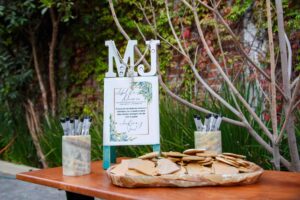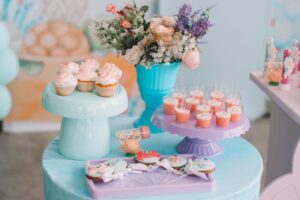
A bouquet looks beautiful for one day. Then all that’s left is a vase, a few fallen petals, and the thought that this gesture could have meant something more to the newlyweds. That’s why the question keeps coming up: which wedding gift instead of flowers will genuinely bring joy, won’t feel random, and won’t disappear without a trace right after the wedding?
If you don’t want to give something just “for the moment,” you think the same way as more and more guests. Newlyweds increasingly value what is practical, personal, or long-lasting—something that can be used, kept, or remembered months and years later. It’s not only the gift itself that matters, but also whether it fits the wedding style, is easy to give, and doesn’t turn into another thing to deal with on a day full of emotions.
Because the best ideas don’t have to be expensive or complicated—they just need to hit at the exact moment when the couple wants something more than decorations and flowers. And when you look at the available options from that perspective, it becomes very clear which gifts are only a nice extra and which ones will stay with the newlyweds for a long time.
How we chose the best wedding gift instead of flowers
Flowers look beautiful at a wedding for one day, sometimes two. Then all that remains is a photo of the bouquet and an empty vase. That’s why, when putting together this ranking, we didn’t focus on what makes a good first impression—we focused on what truly stays with the couple for longer. A good wedding gift instead of flowers should combine three things: emotion, usefulness, and ease of giving. If it has a momentary effect but then disappears into a drawer after a week, it’s hard to call it a good choice.
So we rated highest ideas that have real value after the wedding: something you can come back to, keep without hassle, and that doesn’t require guests to arrange complicated logistics. That’s why modern keepsakes—like Wishgram—score especially high. This solution turns your wishes, photos, and little videos from guests into a digital book of memories and an e-book, and later also a photo book. No app installation, no account setup, no chaos at the table. For the sake of comparison, we also checked it against the classic paper guest book, an Instax camera, and a photo booth—still popular, but usually more expensive and less long-lasting options.
What newlyweds really pay attention to
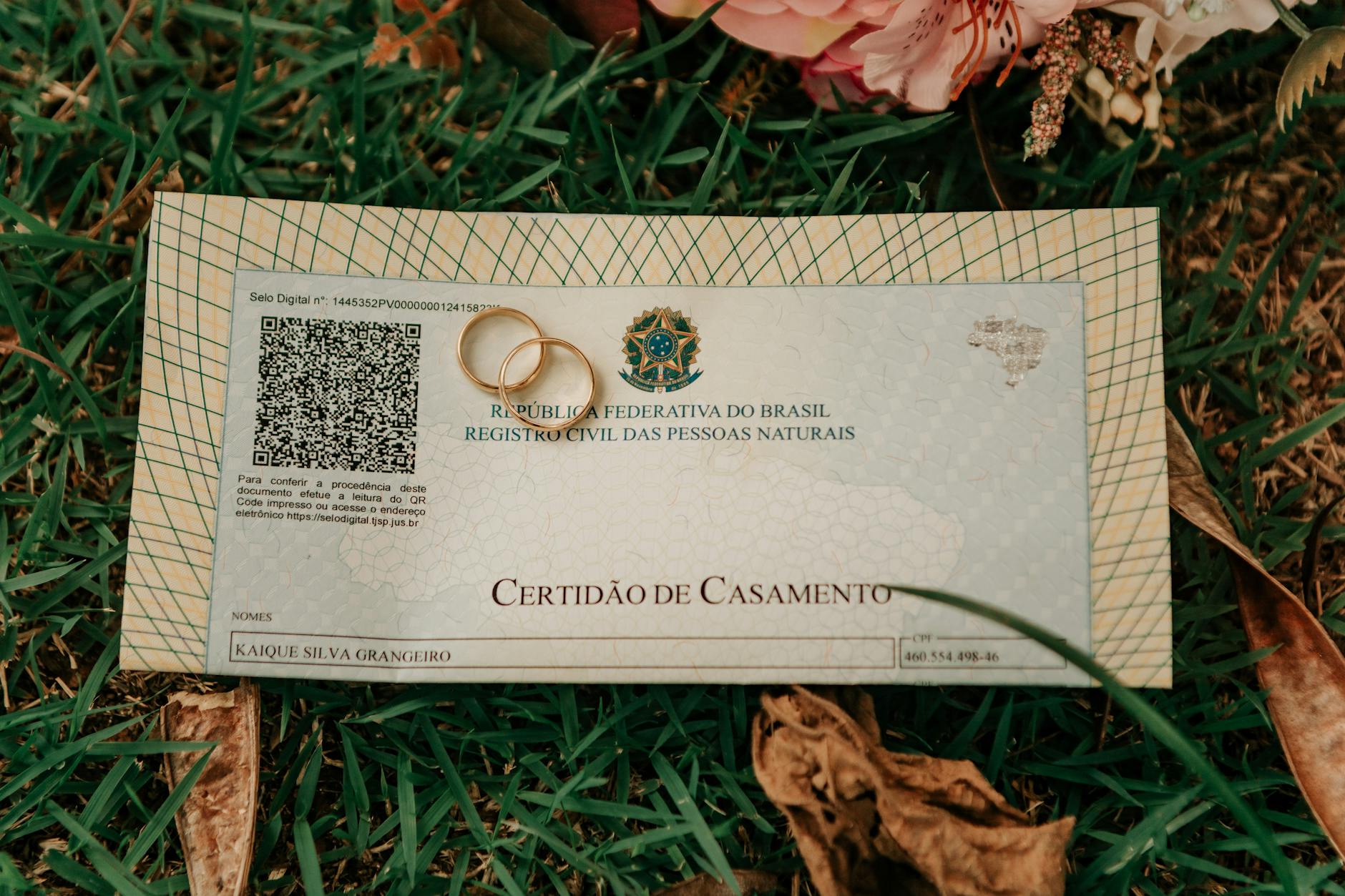
Conversations with newlyweds lead to a simple conclusion: they want something more personal than a bouquet and less troublesome than another decorative little thing. What matters is durability, the ability to store it easily, and whether the gift can be used after the wedding. A keepsake wins when it doesn’t end up the way most things do—hitting the bottom of a box after a month.
When to choose a keepsake and when to choose a practical gift
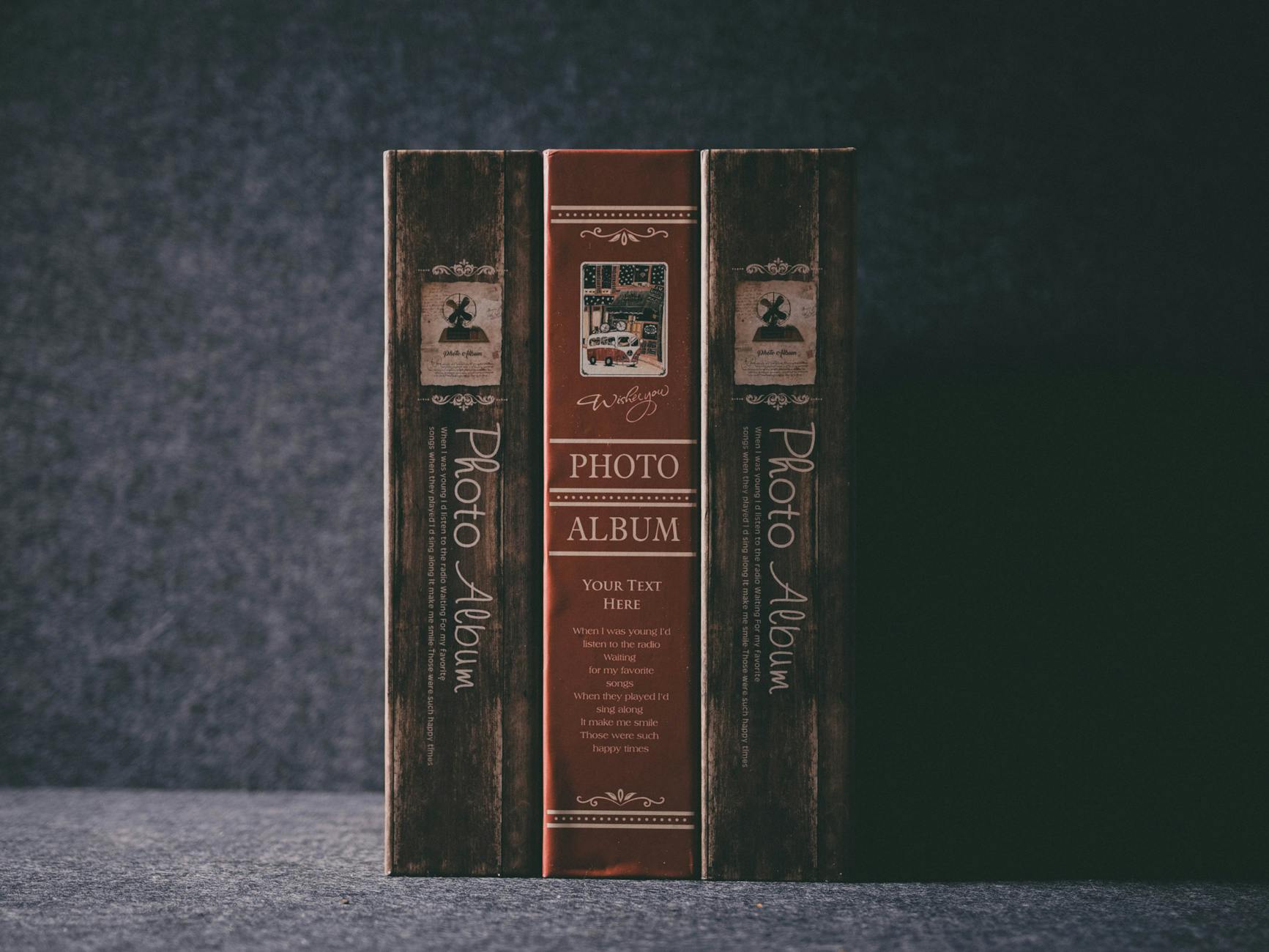
If you’re close to the newlyweds, a keepsake with emotional weight is often the better choice. If the relationship is more distant, or you know the newlyweds are setting up their home, a practical gift may make more sense. So the best choice depends not on trends, but on context: your budget, the character of the wedding, and whether you want to give something symbolic or something genuinely useful.
1. Wishgram — a modern digital book of memories instead of flowers and one-time extras
Why it works better than a bouquet that disappears after a few days
Flowers delight only briefly. Wedding memories can last for decades—provided someone truly collects them. That’s exactly why Wishgram fits so well with the idea of wedding gift instead of flowers. It’s not another wedding gimmick, but a digital book of memories that turns guests’ photos, videos, and wishes into a neatly organized, elegant keepsake.
Most importantly: we’re not talking about a simple photo gallery. Wishgram is designed as a complete end product—a downloadable e-book featuring the most important moments of the event, something you can keep and revisit for years. It’s especially a great choice for couples who want something more personal than a classic gift and more long-lasting than cut flowers or a sweet gift box.
How Wishgram works in practice
The process is simple, and at a wedding, that matters a lot. The organizer creates the event, matches the colors and look to the style of the celebration, and then downloads a QR code or a ready-made table sign. Guests scan the code with their phones and immediately, in their browser, add content—without installing an app and without setting up an account.
They can send a photo, record a short video, add wishes, and sign the message. After the wedding, all materials go to the organizer’s panel, where the collected memories are turned into an aesthetic PDF e-book. If the couple wants something physical, they can also order a printed photo book. This solution is much more modern than a paper guest book or an Instax set, and it’s also significantly more convenient.
Strengths and honest limitations
The biggest advantage of Wishgram is very specific: it removes friction. Guests don’t have to download anything, log in, or learn a new tool. In addition, it offers unlimited memories, support for multiple languages, and a price of 299 zł—clearly less than a paper guest book with Instax or a photo booth, which often costs around 1,200–1,300 zł.
There are also limitations. Since it’s a digital solution, it requires guests to have at least basic comfort using a smartphone. Not every older participant will do it instinctively. Still, in practice, the advantage is clear: instead of a one-time extra, the couple gets a lasting, shared keepsake they can revisit far longer than a bouquet that looks good for only a week in a vase.
2. A personalized photo book — a classic keepsake in a more refined form
A photo book that doesn’t end after three days
Flowers are lovely, but the truth is simple: after a few days, all that remains is a memory. A personalized photo book works the other way—over time, it often gains more value. It’s a wedding gift instead of flowers for people who want to give something physical, elegant, and truly personal.
It works best when you know the couple well enough to gather photos from their time together—engagement, shared trips, bachelorette and bachelor parties, or family moments. Such a gift is especially appreciated by sentimental couples who like things that you can hold—not just files on a phone. Compared to a bouquet, a photo book has one advantage you can’t fake: it stays on a shelf for years.
What personalization involves and how much work it really takes
A good photo book isn’t just printing photos. You can choose a hard or soft cover, matte or glossy paper, a minimalist page layout, captions, dates, and a short dedication from loved ones. The better the design is thought through, the less it resembles a random album from a drugstore and the more it becomes a ready-to-gift premium keepsake.
But there’s a catch: you need the materials in advance. Photos have to be gathered, selected, sometimes their quality improved, and arranged into a meaningful story. It’s a gift that requires preparation before the wedding, so it isn’t a solution for the last minute.
When it’s a great choice and when it’s better to collect memories live
A photo book wins on form: it’s aesthetic, tangible, and has strong emotional value. It loses where spontaneity matters. It won’t capture guests’ reactions, short videos, or photos taken that same evening.
That’s why, in practice, the best results come from combining both worlds. If you want to give something physical, a printed photo book makes sense. But if the couple wants to collect memories from guests as they go, Wishgram works better—because guests scan a QR code, install nothing, and immediately add photos, videos, and wishes, which later become an e-book or a ready-made photo book.
3. A voucher for a shared experience — a gift for couples who value memories more than things
Why this kind of gift works better than it seems
Flowers make an impression for two days. A well-chosen voucher can come up in conversations even two years later. That’s why it works so often as wedding gift instead of flowers: it doesn’t add another item to the apartment—it gives the couple a reason to pause for a moment and experience something together.
It’s a great choice especially for newlyweds who already live together, have their home set up, and value shared time more than a blender or another set of cups. A tasting dinner, a massage for two, a night in a boutique hotel, or a culinary workshop voucher all have one advantage over a classic gift—they don’t gather dust on a shelf.
Which vouchers to choose and what to look out for
The safest options are broad experiences, but not impersonal ones. In practice, the best work well:
- a dinner or brunch for two—usually from 150 to 400 zł,
- a spa day or massage for a couple—often 250–600 zł,
- a weekend trip or overnight stay—from 500 zł and up,
- themed activities, like a cruise, a tasting, or workshops.
Three things are key: a long validity period, easy booking, and the possibility to pay extra for a more expensive option. If a voucher expires after 3 months, it can feel more like pressure than a gift. It’s better to choose offers valid for 12 months or longer. It’s also worth adding a personal message—then the gift doesn’t look like it was bought at the last minute.
Pros, cons, and when it’s better to look for another option
Biggest plus? Flexibility. The couple chooses the date themselves—and often the specific service variant as well. This kind of gift feels like pleasure, not obligation. The downsides are also real: you might miss their taste, the location may be inconvenient, and the voucher itself doesn’t leave as lasting a keepsake as something you can revisit after years.
That’s why it’s worth thinking about it reasonably. If the couple loves experiences, a voucher will be a great hit. But if you want something tangible and full of emotion to remain after the wedding, a better addition or alternative may be Wishgram—a digital book of memories where guests send photos, videos, and wishes without installing an app, and the couple later receives an elegant e-book or photo book.
4. A premium set for the home — a practical gift instead of a bouquet that quickly wilts
Why it’s a safe choice, but not a boring one
Flowers make an impression for two days. A well-chosen home set can be used for years—and that’s why, for many guests, it’s a more sensible wedding gift instead of flowers. It’s not a random set of cups from a supermarket, but something that genuinely improves everyday comfort: a proper serving set, premium textiles, or kitchen accessories the couple probably wouldn’t buy for themselves for a long time.
This is especially a good direction when you don’t know the newlyweds’ very intimate preferences, but you know they value quality and usefulness. A practical gift wins when durability matters more than a one-time effect. And contrary to popular opinion, it doesn’t have to be impersonal—if you match the apartment style or the way they spend their time, such a gift can say surprisingly a lot about the recipients.
What to choose and how not to buy something random
The best options are gifts from the category “used every day, but in a better version.” That can be an elegant set of glasses, a designer decanter, high-quality bedding made from satin cotton, a full set of hotel towels, or a solid heat-resistant serving dish. If the couple often hosts guests, serving sets work especially well: boards, bowls, serving platters, or serving cutlery.
- for couples who like to cook—premium kitchen accessories,
- for aesthetes—textiles and accessories in neutral colors,
- for homebodies—things related to enjoying meals and relaxing.
The key is to match it to their style. Don’t buy gilded decorations for minimalists, and don’t buy stark white with no character for color lovers. It’s also worth taking care of the presentation: an elegant box, a short card, and a receipt discreetly included in case of an exchange.
Advantages and limitations of a practical gift
The biggest advantage is simple: usefulness. Such a gift doesn’t disappear after a week and doesn’t end up at the bottom of a closet as easily as a random gadget. Good textiles or serving accessories can last 5–10 years, sometimes longer. It’s also a convenient choice for a guest who wants to give something specific without the risk of excessive symbolism.
However, there are downsides. First, it’s easy to end up with duplicates—especially when several people get the idea of an “elegant kitchen set.” Second, this kind of gift usually has less emotional weight than a personalized one. That’s why, if you want to combine practicality with a keepsake, it’s worth adding something more personal to the home set—such as a digital book of memories from Wishgram, which stays with the couple for years, without app installation and without the typical chaos of paper-based solutions.
5. A tree, a potted plant, or a symbolic eco-friendly gift — a green alternative to cut flowers
Why a living plant can be more valuable than a bouquet
Cut flowers look beautiful for a few days, then they disappear. A potted plant or a small tree works the other way: it doesn’t end the story in a vase—it can even be the beginning of it. That’s why wedding gift instead of flowers in a green form often feels more personal—especially for couples who love natural interiors, have a balcony or terrace, or simply don’t want another one-time gesture.
It’s a great choice especially for newlyweds who value ecology, minimalism, and meaningful gifts. An olive tree, a ficus, a monstera, or even an herb set can become a symbol of shared growth. Sounds a bit poetic? Yes—but that’s exactly the point: this kind of keepsake stays with the couple longer than most wedding extras.
Which options work best and what to watch out for
Most often, people choose plants that are easy to maintain. Monstera and zamioculcas do well in apartments; olive or citrus fit bright interiors; and lavender or rosemary are great for couples with a balcony. Personalization also matters: a decorative pot, a card with a dedication, or symbolism tied to the plant species can turn a regular purchase into a thoughtful gift.
- Olive tree — a symbol of durability and peace
- Herbs in an elegant setup — practical and light
- Potted plant — a safer choice if you don’t know the conditions in the couple’s home
In practice, transportation matters. On a hot day or in winter, the plant needs to be protected, and a large pot can simply be a hassle to carry after the wedding. It’s also worth realistically assessing whether the couple will have the time and willingness to care for it.
Pros and limitations of a green gift
Biggest plus? Durability and less one-time-ness than with a bouquet. Such a gift can remind the couple of the wedding for years. The downsides are just as specific: the plant needs care, it doesn’t suit everyone stylistically, and it isn’t always practical in a small apartment.
If you want to go one step further, you can combine a green gift with something that preserves memories for longer—for example, Wishgram—a digital book of memories where guests add photos, videos, and wishes without installing an app. The plant provides the symbol, while such a keepsake adds lasting context.
6. A personalized album or a keepsake box — a sentimental gift with space for the couple’s story
Why this idea still works
Not every gift has to be practical in the everyday sense to turn out to be a good choice. Sometimes it’s the one you come back to after years that wins. A personalized album or a keepsake box is exactly such a wedding gift instead of flowers: less impressive at the moment it’s handed over than cash, but often much more personal.
This is a traditional solution, but not a old-fashioned one. A well-made album with the couple’s names and their wedding date can become a place for photos, tickets from the honeymoon trip, cards with wishes, or small notes about important moments. The box works similarly, but gives you more freedom—it can also hold a tiny keepsake, dried flowers from the décor, place cards, or letters to be opened on anniversaries.
What you can personalize and how the couple will use it
The biggest strength of this gift lies in the details. You can add an engraving with their names, the wedding date, a short dedication, a quote, and even match the color of the cover or the layout inside the box. In the album, the layout matters too: clean pages for manual additions, space for captions, and pockets for little items.
After the wedding, the couple can gradually fill it in, without rushing. And here’s an important difference: an album or a box offers a beautiful presentation, but they don’t create the content themselves. They need to be filled. That’s why, in practice, they work best when combined with a modern source of memories—for example, Wishgram. This way, guests send photos, videos, and wishes without installing an app and without setting up an account, and the couple receives a ready e-book—or can order a photo book that they can later put into the box or use as an addition to the album.
Strengths and limitations
- Pros: high sentimental value, elegant look, great personalization options, a good choice for couples who value physical keepsakes.
- Cons: without self-filling, it remains partly “empty,” doesn’t engage guests like digital solutions do, and won’t collect spontaneous wishes on the wedding day.
In short: a beautiful base for the couple’s story, but not always a complete record of it.
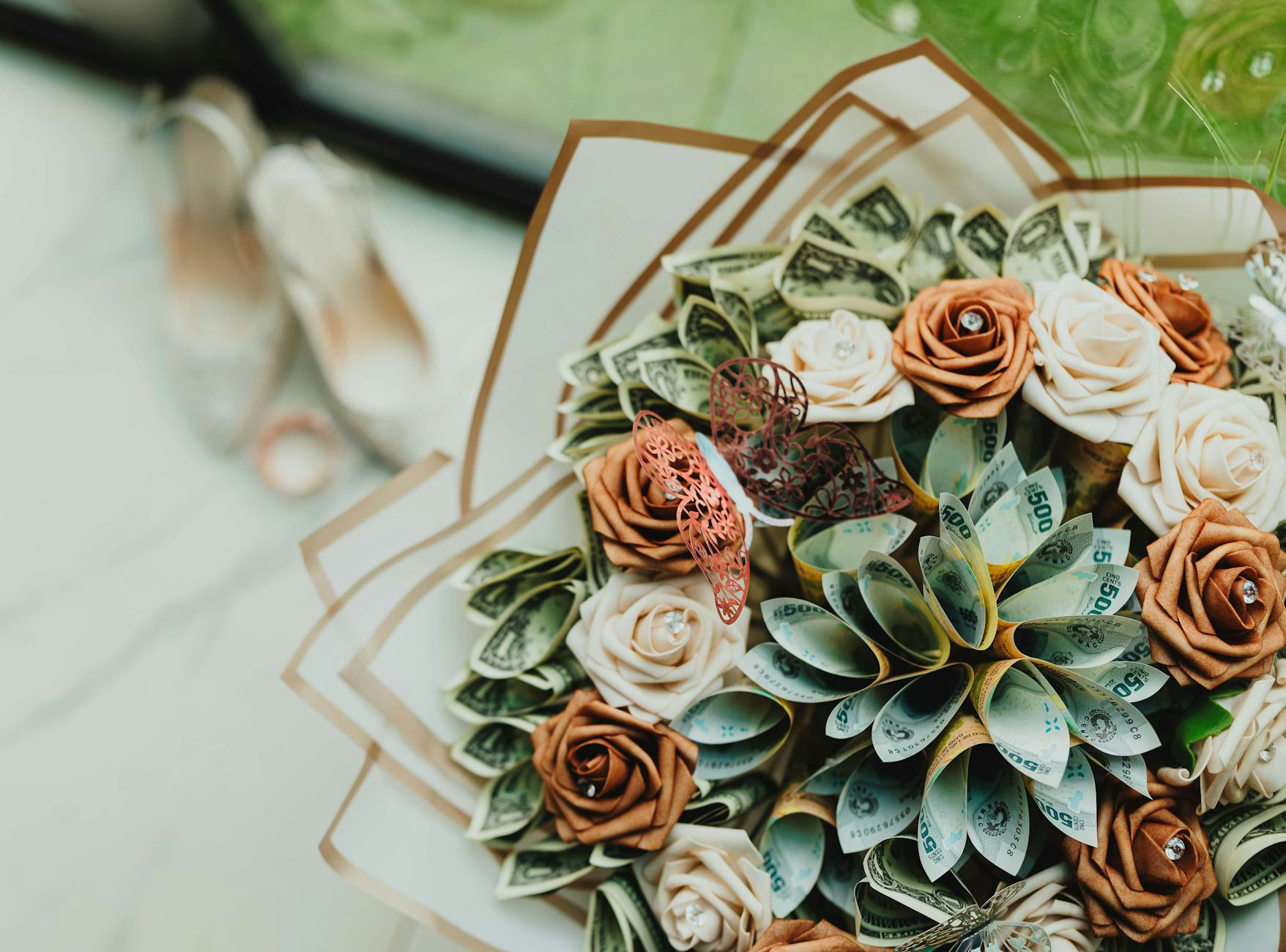
7. An envelope with money in a creative form — the most universal gift if you want to replace flowers with something practical
Why the envelope still wins
The least romantic gift? Only at first glance. In practice, money is often exactly what the newlyweds need most: for the honeymoon, an apartment setup, paying off wedding expenses, or simply a calmer start. That’s why the envelope isn’t a shortcut, but often the most sensible answer to the question of wedding gift instead of flowers.
This is especially convenient for couples who already live together and aren’t building their home setup from scratch. Instead of a third blender or another set of cups, they get the freedom to choose. And that freedom is the biggest value here.
How to give money so it doesn’t look boring
The envelope itself can be simple, but the way you present it doesn’t have to be. An elegant card with a personal dedication works well—just a few sentences written specifically, without stock phrases, makes a bigger impression than fancy paper. If you want to add character, choose a small box, a minimalist keepsake box, or a symbolic tag with the wedding date.
It also works to pair the money with a small, thoughtful extra: a good coffee for two, wine for the first anniversary, or a theater ticket. This gesture shows that you’re not just handing over “cash”—you’re giving the couple both choice and intention.
If you want the gift to have a keepsake element too, a good addition is Wishgram—a digital book of memories where guests add photos, videos, and wishes after scanning a QR code, without installing anything and without setting up an account. That way, the practical envelope can go hand in hand with something that lasts for years in the form of an elegant e-book or photo book.
Top pros and limitations
- Pros: full usefulness, zero risk of a misfit gift, easy to match to the budget, convenient for both guests and the newlyweds.
- Cons: a smaller element of surprise, weaker emotional value without a personal presentation, and no keepsake if you don’t add a card, a dedication, or something symbolic.
In short: the envelope doesn’t have to be boring. It’s best when it combines practicality with at least a small but clearly personal touch.
What wedding gift instead of flowers should you choose to make it a hit
Flowers make an impression for one evening. A good gift stays with the newlyweds for years. And that’s where the most common mistake happens: people choose something “pretty,” not something the couple will truly come back to. So if you’re wondering which wedding gift instead of flowers makes sense, it’s worth looking beyond the wow factor on the wedding day—consider usefulness, emotion, and the keepsake’s durability.
The best choice for close family and witnesses
The closer the relationship, the better a personal gift works. For witnesses, siblings, or the newlyweds’ parents, Wishgram is a particularly strong choice, because it’s not a one-time gimmick—it’s a modern keepsake with real value after the wedding. Guests scan the QR code, add photos, videos, and wishes, and the couple receives an elegant e-book or photo book from it. No app installation, no account setup. This matters because it allows even older guests to use it.
I tested different solutions around wedding memories and that’s why I rate Wishgram higher than the classic Instax guest book or a photo booth. The guest book and Instax usually end up around 1,200 zł, a photo booth often costs about 1,300 zł, and there are usually queues during the party. Wishgram costs 299 zł and offers more: photos, text, video, and a ready keepsake to keep and share.
What to choose with a smaller budget and what with a larger one
With a smaller budget, the best picks are gifts that don’t look cheap even if the price is reasonable. That’s why Wishgram is such a strong option: it costs less than big decorative bouquets or “quick” sets, but leaves behind something much more valuable. It’s a good choice as early as when you want to spend around 300 zł and be confident that the gift won’t get lost among envelopes and boxes.
With a bigger budget, you can go one step further and combine a digital book of memories with a printed photo book. Such a set can still be more sensible than solutions from companies like Smak Dzieciństwa or Księga Gości Wedding, if you care about a modern format and simplicity for guests. In short: if it needs to be practical, emotional, and low-risk in terms of not matching their preferences, a memory-based gift beats most things that only look good on the table.
What choice really makes sense?
If you’re looking for an idea for a wedding gift instead of flowers, it’s worth thinking not just about the gesture itself, but about what will stay with the couple a month from now, a year from now, and across several more anniversaries. The best gifts don’t end with a nice first impression—they bring convenience, build memories, or simply have real value in a new stage of life. That’s often what separates a successful gift from something you quickly forget.
So before you buy, ask yourself one simple question: will this choice leave something more than just a moment? If yes, you’re on the right track—whether it’s a practical voucher, a special experience, or a modern keepsake like Wishgram, which turns guests’ wishes, photos, and videos into a digital book of memories without installing any app. The best wedding gift isn’t the one that looks good for one day, but the one you want to come back to.