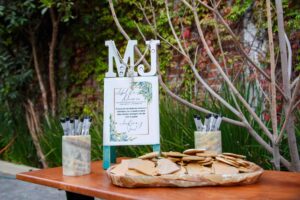
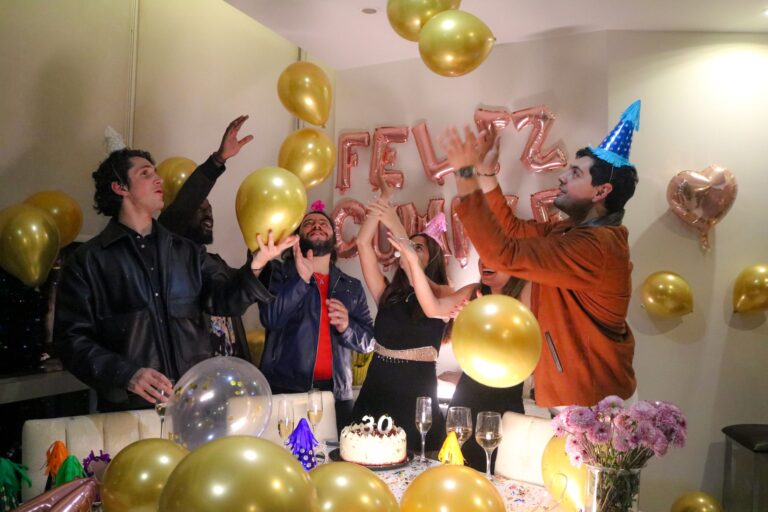
The worst birthdays aren’t bad because of the cake or because there aren’t enough decorations — it’s simply that guests arrive who, after an hour, don’t really know what to do with themselves. If you’re wondering, how to make guests’ birthdays more fun, it probably isn’t about “more of everything”, but about a vibe where people truly get into it, talk, laugh, and leave feeling it was a great time.
That’s good news, because a successful party doesn’t have to mean a big budget or complicated logistics. Much more important is who’s coming, what the get-together is like, and whether you’re planning a calm evening sitting around the table, or a more energetic party with momentum from the first minutes. Sometimes one well-chosen idea is enough to turn ordinary birthdays into an event people keep talking about long after the last slice of cake.
That’s why the best solutions don’t just entertain during the event — they leave something more behind than a few blurry photos on people’s phones. From simple activities that get people involved right away, to memory-making ideas you actually want to revisit — that’s what builds the atmosphere guests genuinely remember.
Where to start if you want to make guests’ birthdays more fun
The most common mistake? Choosing activities from the end: first the photo booth, a quiz, or an entertainer, and only then thinking about whether it even fits the people who will be there. If you truly want to know how to make guests’ birthdays more fun, start not with a list of gadgets, but with three questions: who’s coming, what the vibe should be, and how much interaction you want to create. That’s what determines whether the party flows naturally or gets stuck in awkward interruptions.

How to match activities to guests’ age, number, and vibe
An 18th birthday follows different rules than a family birthday with kids and grandparents at one table. For a party with 15–20 young people, it’s usually best to go for things that are quick, light, and give momentum for shared reactions: short games, a photo area, music challenges, a digital memories book. Meanwhile, for groups of around 40 across different ages, activities that people can join without explaining the rules and without pressure to perform work better.
In a garden, you have more freedom of movement, so it’s worth betting on scattered activities: several play stations instead of one central attraction. In an apartment or a small venue, solutions that don’t block the space work better. That’s why, instead of a big photo booth that usually costs about 1,300 PLN and creates queues, a more practical option is Wishgram: guests scan a QR code, install nothing, add photos, videos, and birthday wishes right away, and after the party there’s an elegant e-book left behind. This is especially good for mixed groups, because everyone participates at their own pace.
It’s also worth being honest about the guests’ vibe. If you’ve got a team of extroverts, you can plan team-bonding games. If you know that half the people don’t like being pulled into the center, choose a more relaxed form of entertainment: music, conversations, photos, and activities available “along the way”.
What truly creates a good atmosphere at a birthday party
A good atmosphere rarely costs the most. The best elements are the ones that make being together easier: sensible background music, seating areas, lighting that doesn’t strain you, and activities that don’t interrupt conversations every 20 minutes. Guests remember the laughter, spontaneous photos, and moments when something happened on its own — not because the host told them to.
That’s why small points of connection are often more effective than a “big show” moment. A QR code sign on the table, where everyone can add wishes or a short video, works better than a paper guest book where many people write just two sentences out of obligation. Music also matters: start out calmer, then gradually speed up. The party’s tempo should build — not jump to maximum right away.
The most common mistakes when planning activities for guests
- Overloaded schedule. If you announce a new program point every half hour, guests don’t have time to simply be together.
- Not matched to the group. A great idea for an 18th birthday might completely fail at a calm family birthday.
- No plan for the first hour. That’s when people decide whether to relax. Music, small conversational activities, and something simple to start with help a lot.
- Too little comfort. No seating, queues for one activity, music that’s too loud — it ruins the mood faster than a lack of fireworks.
- Too high an entry barrier. Not every game should require courage, performing, or competition. Some guests want to participate discreetly — and that has to be considered too.
The best birthdays aren’t the most packed. They’re the best matched. That’s where it’s worth starting.
Ideas for activities that engage guests right away
The worst birthdays aren’t boring because there’s a lack of decorations. They’re boring when guests don’t know what to do with themselves during the first 40 minutes. So if you’re wondering how to make guests’ birthdays more fun, don’t think “big attraction” — think of a few simple sparks that kickstart conversations, laughter, and shared action.
Games and activities that integrate guests without forced vibes
The activities that work best are the ones that don’t force anyone to goof around in the middle of the room. A quiz about the birthday person is a classic, but only if the questions are light and specific: the first concert, the most absurd text from childhood, favorite food at 2 a.m. Guests quickly start commenting and adding their own stories.
Mini team challenges also work well, especially when they last 5–10 minutes and don’t split the party in half. Charades, birthday bingo, or small tabletop games for 4–6 people are better than one long “forced” activity. They give choice, and choice lowers resistance.
Theme areas that keep guests busy all evening
One attraction makes an impact for a moment. Two or three zones make the party come alive all evening. That’s an important difference. Instead of building a rigid schedule, it’s better to prepare places guests return to when they feel like it.
- a photo area with a simple backdrop and props,
- a candy bar or a table with snacks “to nibble”,
- a memories corner where you leave wishes, photos, or short recordings,
- a table with games,
- a small chill-out area for calmer conversations.
In this setup, Wishgram as a digital memories book works extremely well. Instead of a paper book that often ends with three entries, guests scan a QR code and, without installing any app, send photos, videos, and wishes. It’s more engaging, simpler, and after the party you get a ready-made e-book — not a loose collection of cards.
Birthday activities at home that don’t require a big budget
A house party doesn’t need expensive solutions to be remembered. Karaoke works almost always if it doesn’t go on nonstop and doesn’t turn the evening into interrogations. A contest for the best toast, a themed dress code, or a wall with questions for guests also creates a great effect — for example: “What advice will the birthday person find useful in the next year of life?”
Add party board games and a simple phone photo challenge. The cost is small, and there’s plenty of material for laughter.
Activities for a bigger party in a venue or garden
With more people, flow matters. That’s why it’s better to choose attractions that don’t create long queues and don’t require continuous rule explanations. A DJ with short bursts of activities, outdoor games, a slide show of the birthday person’s photos, or a relaxed photo zone all work well.
If you want to gather memories from a few dozen people, a digital solution usually beats a photo booth or a paper guest book. A photo booth can look great, but it takes up space and costs about 1,300 PLN. Wishgram costs $84.00, doesn’t limit the number of memories, and lets guests add materials even after the party. And that’s the point: to make sure the attraction doesn’t end when the last slice of cake is gone.
How to take care of memories, not just a one-time party
The best birthdays don’t end when the music fades — they end when, weeks later, someone still comes back to a photo, a message, or a short video and smiles again. That’s where many parties fail: they’re impressive during the event, and afterwards only a few random shots remain scattered across guests’ phones. If you’re really wondering how to make guests’ birthdays more fun, it’s worth thinking not only about an attraction for the evening, but also about a keepsake that outlives the party itself.
Why guests are more willing to take part when the activity is simple and quick
People don’t ignore activities because they’re boring. More often because they’re too much hassle. When someone has to install something, create an account, confirm an email, or read instructions longer than two sentences, participation drops dramatically. At a party, nobody wants to “configure the experience”.
That’s why the best solutions fit into an easy pattern: scan, add, send. A dozen seconds is enough for a guest to upload a photo, write wishes, or record a short message. The fewer technical barriers there are, the more authentic reactions you get — and those are the most valuable over time.
A digital memories book for birthdays as a modern alternative to paper entries
A paper guest book has its charm, but it usually ends with just a few entries from the most disciplined people. A digital memories book works much more naturally. With a solution like Wishgram, guests scan a QR code with their phone, open a page in their browser, and without installing an app add a photo, a video, or text wishes.
That’s an important difference: it’s not just a temporary gallery, but material for an organized keepsake. After the party, the organizer can create an elegant e-book from these entries — and even order a printed photo book. Instead of separate files, you get the story of the event — with emotions, captions, and context.
How to encourage guests to leave photos, videos, and wishes
- Place the QR code in a visible spot — at the entrance, on tables, and next to the cake.
- Add a short message — for example: “Add a photo or wishes for the birthday person in 20 seconds”.
- Ask the host to announce it — one sentence said at the right moment works better than a long instruction.
- Offer ready-to-use questions — “What’s your favorite memory with the birthday person?” or “What do you wish for next year?”
- Remind people after the party — some guests like to add something calmly the next day.
What to do with materials after the party so they don’t get lost on phones
The biggest mistake? Leaving everything in chat apps and the camera roll. After a month, nobody will find it. Much better is to turn the collected materials into a concrete format right away: an e-book, a PDF album, a printed photo book, or a private gallery to share with family.
An organized keepsake beats chaos because it offers more than a folder of files. It shows how the evening unfolded, the guests’ voices, and small moments the birthday person often didn’t even notice during the fun. And that’s when the activity stops being one-time — it starts working on memories for years to come.
Food, music, and vibe: elements that enhance every attraction
Even the best quiz, entertainer, or dance floor won’t save a party if the background works against the fun. Guests notice the mismatch quickly: music that’s too loud on arrival, a chaotic table with snacks, cold office-like lighting. In practice, it’s the atmosphere and setup that determine whether people want to stay longer, talk more, and naturally engage with the activities. So if you’re wondering how to make guests’ birthdays more fun, start not with “big effects”, but with three fundamentals: sound, taste, and atmosphere.
How to choose music to maintain the party’s energy
The most common mistake? One playlist for the entire evening. Meanwhile, birthdays have stages, and the music should keep up. For the welcome, lighter, rhythmic tracks in the background work better — ones that add energy but don’t overpower conversations. During the integration phase, you can speed things up a bit, but without jumping straight into a full-on club finale.
The climax needs a clear surge in energy. Well-known choruses, short themed blocks from the 1990s or 2000s, and songs guests truly recognize all work well. This isn’t a time for the host’s musical ambitions. If 15 people know the words to one hit, and only two appreciate an underground remix, the choice is simple.
For the end of the evening, calmer tracks are useful — ones that don’t cut the mood short, but help people catch their breath. It’s also a good idea to gather a few suggestions from guests in advance. That small detail works surprisingly well, because people respond faster to “their” songs and engage more readily.
Snacks and drinks as part of the attraction, not just an extra
Food doesn’t have to be only logistics. It can be part of the fun. Instead of the classic setup of everything on one table, it’s better to build a simple theme: a bar with mini desserts, a table in one color, a tasting of spicy sauces, or a station with non-alcoholic drinks for guests to mix themselves. Guests like choice, but they like something they can actually talk about even more.
You don’t need a big budget. Just well-presented mini sandwiches, skewers, popcorn in paper cups, or lemonades with add-ins: mint, citrus, fruit. This is especially important when activities are spread out over time — snacks keep the movement going and help the party not lose steam after the first hour.
Decorations and lighting that create the vibe without high costs
Vibe rarely comes from expensive decorations. More often it comes from consistency. Two or three accent colors, warm string lights, LED candles, and a few repeating details can turn a regular living room into a space that looks thoughtfully designed. And it makes a difference in photos and in the overall perception of the entire party.
It’s worth thinking about the decor from the guests’ perspective: where they’ll want to sit, take a photo, record a video, and approach with a drink. That’s why a simple photo backdrop or a memories corner works well. If you use a solution like Wishgram, this point takes on extra meaning — guests can scan the QR code right away and, without installing any app, add a photo, video, or wishes to the digital memories book. This is when the decor stops being just a backdrop and starts working for the keepsake.
Ready-made scenarios for different types of birthdays
The best birthdays rarely win on scale. They win on pace, simplicity, and whether guests know what to do beyond just sitting at the table. So if you’re wondering how to make guests’ birthdays more fun, think not about a single attraction, but about the whole scenario: the entrance, the climax, and a keepsake people truly want to come back to.
Small, home birthdays for family and close friends
In a small group, you don’t have to “produce” entertainment every 15 minutes. Something else works here: a warm atmosphere, good conversations, and a few light program points that don’t dominate the evening. A simple setup works well: first a relaxed meet-and-greet at the table with snacks, then a short quiz about the birthday person, and after that shared photos in natural moments — not only near the cake.
The quiz can have 8–10 questions, for example about childhood, funny habits, or the first job. That’s enough to get the conversation going without feeling like school. Next to it, it helps to set up a simple “memories station” — a QR code that leads to Wishgram, where everyone can add a photo, a short text, or wishes without installing an app or registering. This matters for older guests too: less explaining, more participation. Those small entries later turn into an elegant e-book — not another random gallery on someone’s phone.
An 18th birthday or a party for younger guests focused on energy
At an 18th birthday, calm isn’t the currency. What matters is movement, fast changes of stimuli, and moments that look great in photos and short videos. Build the scenario around 3 blocks: an entrance with a strong playlist, a series of short competitions, and a photo zone that works all evening.
- start with music and a simple team-bonding task, for example “find the person who knows the birthday person the longest”;
- 2–3 short group competitions, 5–7 minutes each;
- a photo zone with props and lighting, but without complicated setup;
- collecting video wishes from guests between dances.
Wishgram works especially well here, because guests can record a short video right away using their phone after scanning the QR code. No queue to a photo booth, no operator, no need to set everyone up in one place. That’s important for a more energetic party: people want to jump in right away, not wait 10 minutes for their turn. Later, the videos, photos, and entries come together into a keepsake with the feel of a party — not just documentation.
Birthdays in a venue or garden with more participants
With 30, 40, or 60 guests, the biggest mistake is setting up just one attraction and expecting that “it will create the atmosphere by itself”. It won’t. You need distributed activities: a separate conversation zone, a place for photos, a light contest at the table, and clear information on where to add wishes and memories.
In practice, it works like a model of several activity points placed around the room or garden. Some people take photos, others join mini-games, and still others record wishes when they feel like it. This is better than a photo booth that usually costs about 1,300 PLN and creates queues, or a paper guest book with Instax, where space and spontaneity run out quickly. Wishgram is a sensible choice here, because for $84.00 it gathers unlimited memories from many people at once, and guests don’t have to install anything. In a larger format, it’s not a detail — it’s a condition for the system to truly work.
How to choose the best activities for your budget and the style of your party
The most common mistake? Not too few activities, but too many at once. After a month, guests rarely remember the third garland, another bowl of sweets, or a gadget that looked good for only five minutes. They do remember the atmosphere, moments of laughter, and whether the party was simply comfortable. So if you’re wondering how to make guests’ birthdays more fun, don’t start with a list of extras — start with the question: what should truly work all evening?
Where it’s worth saving money, and where it’s better not to cut costs
In a birthday budget, it’s least worth overspending on things that are only background. Decorations can be simplified if the space itself is pleasant and well organized. Instead of 15 decorations, it’s better to choose 2–3 cohesive color accents, good lighting, and convenient table or seating-zone arrangement.
I wouldn’t cut back on elements that genuinely affect the guest experience: music, comfort, and the keepsake. A good playlist or DJ can rescue even a simple room. Comfortable space makes people stay longer and interact more. And a sensible way of collecting memories ensures the event doesn’t end with only a handful of random photos on phones.
In practice, it looks simple: instead of spending about 1,200 PLN on a paper guest book and Instax, or about 1,300 PLN on a photo booth, it’s better to consider a solution that costs less and delivers a longer-lasting result. Here, Wishgram works best, because for $84.00 it collects photos, videos, and wishes in one place, without guests installing any app and without queues for a single device. This is especially important at birthdays, where the party pace is often more relaxed than at a wedding, and nobody wants to stand in a queue for an attraction.
There are alternatives. A classic photo booth still has its vibe, and a paper Instax guest book can fit a more analog party style. The problem is that both options are more expensive, less flexible, and worse at collecting memories from everyone — especially when some guests join later or want to send something after the event.
How to combine entertainment, guest comfort, and a keepsake from the event
The best setup is a 3-part combination: one group-bonding attraction, one relaxed zone, and one element for collecting memories. That’s enough. Really.
- Group-bonding attraction — something that gets people involved: a quiz about the birthday person, karaoke, a short team game, hosted interactive activities.
- Relaxed zone — a place to sit down, chat, grab a drink, and take a break from the noise.
- Keepsake — a solution that doesn’t interrupt the party, but works alongside it and collects emotions in real time.
This combination provides balance. Some guests want to have loud fun, others prefer a calmer rhythm. Well-planned birthdays don’t force everyone into one style of participation.
That’s why, as a keepsake element, a digital memories book is especially sensible. In Wishgram, guests scan the QR code, add a photo, a short video, or wishes, and then jump back into the party. No app downloads, no login, no explaining five steps to older family members. Afterward, those materials turn into an e-book — and optionally, a photo book too. That’s where you can see the difference between an attraction “for the moment” and a keepsake you truly come back to.
So if you have a limited budget, don’t try to buy everything. Choose two or three elements that together build the atmosphere. That’s usually a better decision than five average attractions without a shared idea.
How to turn a good party into a memory you want to revisit
If you’re wondering how to make guests’ birthdays more fun, don’t think about the number of attractions, but about what truly triggers the atmosphere: freedom, shared moments, and something that naturally pulls people in without forcing them to participate. The best ideas are the ones that fit the guests’ character, don’t complicate the organization, and let you experience something together instead of just “checking off” more program points. That’s when birthdays stop being just well planned and start being truly memorable.
That’s why, when choosing attractions, keep one simple criterion for yourself: will it make it easier for guests to have a good time and leave behind a real keepsake? If yes, you’re heading in the right direction. And if you want those moments not to disappear the next day into guests’ phones, you can choose a solution like Wishgram — then guests can send photos, videos, and wishes without installing anything, and you’ll later turn them into an elegant digital memories book. Because the best attraction often isn’t the one that ends with noise, but the one that becomes a story written to last for years.