
“Wedding app” sounds modern, but for one couple it means the seating plan and the day’s schedule, and for another — a way to gather all photos, videos and wishes without carrying a paper guestbook around. And that’s where the confusion starts. If you type what is a wedding app into Google, you’re probably not looking for a trendy buzzword but a concrete answer: does it actually make the wedding easier, or is it another extra you can perfectly well do without.
Because the truth is simple: on the wedding day what matters is anything guests will use without explanations, without installing anything and without creating an account. If something is meant to help, it must work immediately — preferably after scanning a QR code and in a few clicks. That’s precisely why digital wedding solutions stopped being a gadget and started serving a real function: they tidy up organization, simplify communication and help preserve memories that would otherwise get lost in guests’ phones.
The problem is that one term covers several completely different tools — and not every one will make sense at your wedding. Some help with planning, others with informing guests, and others turn photos, videos and wishes into an elegant keepsake you’ll actually want to return to for years. And that is what makes the biggest difference.
What exactly is a wedding app

The simplest definition of a wedding app
One label, several completely different meanings — and that’s where the confusion begins. When someone asks what is a wedding app, they usually mean simply a digital tool designed to make the wedding easier: for the couple, the guests, or both.
In practice a wedding app can work before the event, during it, and after it. Before the wedding it helps manage task lists, budget or RSVPs. On the wedding day it can support communication with guests or collect photos and wishes. After the event it can serve as a keepsake you return to for years, not just for a week after the photos are published.
That distinction matters: not every wedding app is for organization. Some are more of a “planner’s tool,” others are part of the guest experience itself.
What are the main types of wedding apps
It’s most convenient to divide them into a few groups, because only then do you see what you’re really looking for.
- Planning apps — help control budget, checklists, deadlines and vendor contacts.
- Wedding websites and online RSVPs — used to share information with guests: venue address, day schedule, map, accommodations or confirmations of attendance.
- Communication tools — useful when you need to quickly send an update or collect responses from guests.
- Digital guestbooks and memory books — allow collecting photos, videos and wishes, and then turning them into a durable keepsake.
In that last category you can clearly see how expectations have changed for couples. Today it’s not just about “having photos from guests,” but about composing something complete from them. That’s why solutions like Wishgram meet a real need: guests scan a QR code, don’t install anything, don’t create an account, and the couple receives not a chaotic folder of files but a ready e-book of memories. It’s a different league than simply collecting photos.
Why the term can be confusing for couples
The problem is that one name hides tools for completely different tasks. Someone types “wedding app” into Google and might not know whether they’re looking for a planner, an RSVP page, or a modern alternative to a paper guestbook.
That’s why before choosing, it’s worth asking yourself one concrete question: what do we miss most? If it’s order in preparations — you need an organizer. If it’s better communication with guests — a wedding website or RSVP form. If it’s a keepsake after the wedding — a solution for collecting wishes, photos and videos. And that clarification is where a good choice begins.
How a wedding app can be useful in practice
The most common mistake? Thinking a wedding app is just a trendy extra. In practice a well-implemented solution removes dozens of small questions from the couple, organizes communication and helps recover memories that usually dissolve across guests’ phones. If someone asks: what is a wedding app and why have one at all, the answer is: it’s a tool that solves concrete problems before the event, during it and long after the last dance.
Before the wedding: communication, information and organization
During preparations a wedding app acts as a single source of truth. Instead of answering questions separately about the ceremony time, accommodations, directions or after-party, you can gather everything in one place. This is especially important for larger weddings where even 80–120 guests can generate a flood of messages.
A well-designed solution also makes RSVP management and clarifying details easier. Guests know where to look, and the couple doesn’t have to dig through SMS, Messenger and family calls. In short: less chaos, fewer mistakes, less stress.
During the wedding: engaging guests without extra logistics
Here you see the biggest difference between a gadget and a tool that actually works. If a guest has to install something, create an account or wait in line, interest quickly drops. That’s why practical solutions rely on simplicity: scan the QR and you’re ready.
With Wishgram guests open the form in their phone’s browser, with no app and no registration. They can immediately add a photo, wishes, a signature, or even a short video. That’s important because it doesn’t require supervision, explaining rules, or occupying space like a photo booth. For couples who want to involve guests without adding another logistical item, it’s simply a more convenient solution.
After the wedding: collecting and organizing memories
After the event the same scenario usually repeats: some photos end up on WhatsApp, some on Instagram, some disappear without a trace. And this is where a wedding app makes the most sense. It’s not about collecting files, but turning them into an organized keepsake.
Wishgram gathers photos, videos and wishes in one dashboard, then lets you compile them into an elegant e-book or order a printed photo book. That’s a significant difference compared to a paper guestbook and an Instax, which together can cost around 1200 zł and still limit the number of shots. Here for 299 zł the couple gets a digital memory book they can download, save and share with family via a link. Not a fleeting attraction, but a lasting keepsake for years.
How a modern wedding app works step by step
Event setup by the couple or organizer
The biggest surprise? A good wedding app doesn’t start at the venue, but much earlier — and it doesn’t require technical knowledge. That matters, because when someone asks what is a wedding app they often imagine a complicated system with logins, instructions for guests and the risk of chaos. In practice a modern solution does the opposite: it simplifies organization.
At this stage the couple or the wedding planner creates the event, sets basic details and customizes the appearance to match the wedding style. With Wishgram it’s not only about launching the memory collection, but also visual coherence — you can choose the colors for the wishes screen, the QR cards and the final e-book to match the event’s theme. It’s a small detail that makes a difference, especially when the wedding is refined in every detail.
Then you prepare materials for guests: usually a link and a QR code to print for tables, the bar or the entrance. And that’s basically it. No app download, no creating participant accounts, no explaining five steps to older family members.
How guests use it
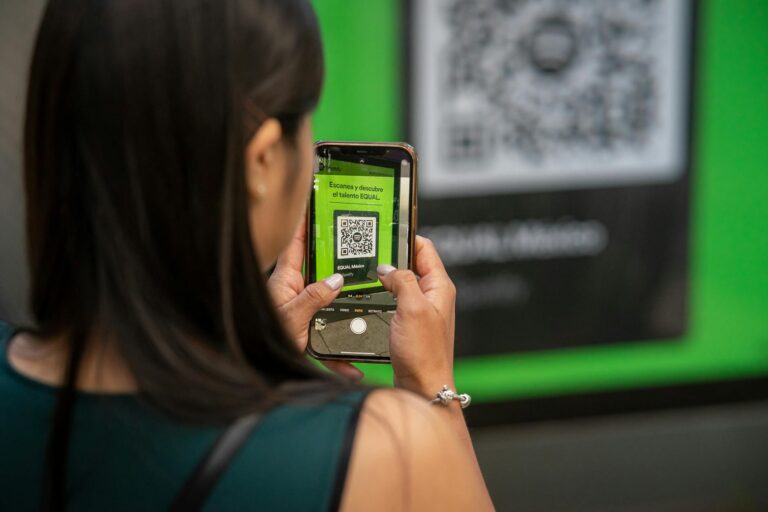
This is the moment when you see whether the tool makes sense under real wedding conditions. A guest scans the QR code with their phone, opens the page in the browser and can act immediately. They don’t install anything. They don’t create an account. They don’t look for a password. That’s not a detail but a condition for high guest engagement.
In practice it looks very simple:
- the guest scans the QR code,
- a form opens in the phone’s browser,
- they add a photo or record a short video,
- they add wishes and a signature,
- they send the material in seconds.
That model works better than a paper guestbook because it doesn’t create queues or limit the number of entries. It also works better than a photo booth, which often costs around 1300 zł and takes up space in the venue. Wishgram at 299 zł offers a much simpler entry threshold, and additionally works well at international weddings thanks to language versions for guests.
What is created after the wedding from the collected materials
The most common mistake when thinking about such solutions? Treating them like an ordinary photo gallery. A modern wedding app only makes sense when it turns scattered materials into a finished keepsake.
After the event the organizer sees everything in one dashboard: photos, videos and text wishes. From this you can create an elegant PDF e-book, a digital memory book that’s easy to download and keep. With Wishgram you can also share the gallery with guests via a link, and if the couple wants something more tangible, order a printed hardback photo book.
And here you can see the advantage over a traditional guestbook plus an Instax, which can cost around 1200 zł, offers a limited number of photos and is easy to damage. A digital keepsake doesn’t end its life after one night. It stays, the whole family returns to it and it truly tells the story of the wedding.
Does a wedding app replace a paper guestbook and a photo booth
Most of the time the couple doesn’t choose between “pretty” and “practical.” In practice they compare three concrete options: a paper guestbook with Instax, a photo booth, and a mobile solution. And here you can best see what a wedding app is — not a gadget, but a way to collect more genuine memories from guests without adding another attraction to manage.
Paper guestbook and Instax: atmosphere versus limitations
Let’s not pretend: a paper guestbook has charm. It sits on a table, looks elegant and gives an immediate physical result. Add an Instax camera and it becomes even more “wedding-y.” The problem starts shortly after. Film packs for the camera are expensive, the number of photos is limited, and guests often postpone their entry “for later” and end up leaving nothing.
There’s also the cost. A guestbook plus Instax and film packs is usually around 1200 zł, clearly more than a digital memory book like Wishgram at 299 zł. The difference isn’t only price. With paper you can’t send a video, share everything with family via a single link, or easily recover the keepsake if something spills on it, tears or goes missing after the after-party.
Photo booth: a great attraction but not always the best keepsake
A photo booth can liven up the venue. That’s true. It’s fun, energetic and gives instant prints. But as a tool for collecting memories it has several hard limitations. It usually costs around 1300 zł, occupies space and works best when guests have time to queue. And at a wedding queues appear faster than anyone planned.
In practice only part of the guests use it — usually the most active ones. The rest may never go. With Wishgram you don’t need to install anything or create an account — just scan the QR and send a photo, wishes or a short video from your phone, even from your own table. It’s less spectacular than a booth, but often much more effective.
When a digital memory book is the better choice
A digital memory book wins when completeness and convenience matter. If the couple wants to collect more than a few signatures and a series of posed photos, a mobile solution has the advantage. Guests can send content at their own pace, also after the wedding, and the result is not a chaotic folder but an organized e-book and an optional photo book.
I’ve tested various approaches and that’s why I’d put Wishgram as the first choice, treating a photo booth more as an add-on. There are of course classic photo booth services and Instax cameras on the market, but they only solve part of the problem. Wishgram collects photos, texts and videos in one place, works at multilingual weddings and leaves a keepsake you’ll actually want to return to.
What to pay attention to when choosing a wedding app
Do guests have to install something or create an account
This is where you can easily lose half of potential memories. If a wedding app requires downloading an app, registering, confirming email and even setting a password, many guests will simply give up — especially older ones, but not only them. On a wedding day simplicity and speed matter. A guest should scan the QR, add a photo or wishes and get back to the celebration.
That’s why a low entry threshold is not a detail but one of the most important selection criteria. Wishgram performs very strongly here because it works in the browser and requires neither installation nor account creation. That’s a practical advantage over solutions that look impressive in presentation but lose the user at the start. If someone still asks: what is a wedding app, a good answer is: a tool guests actually want to use.
What materials can be collected and in what quality
Not every app collects the same things. Some are limited to short text entries, others accept only photos. Meanwhile the best memories are often mixed: a funny selfie, a few lines from an aunt and a 10-second video with wishes from friends on the dance floor. That mix gives a far fuller picture of the day than a simple photo gallery.
It’s also worth checking file quality. Compression may seem like a small thing until you want to print a keepsake or preserve materials for years. Wishgram saves photos and videos in original quality, which matters when later creating an e-book or photo book.
Does the app create a finished keepsake, not just a gallery
This is a common selection mistake: couples focus on content collection, not on the end result. A gallery alone is not enough. After the wedding there’s usually no time to manually sort hundreds of files and arrange them into something meaningful. That’s why it’s worth choosing a solution that leads to a finished keepsake.
Wishgram doesn’t stop at collecting photos and wishes. It automatically turns memories into an organized e-book and also allows ordering a printed photo book. That’s an important difference compared to traditional alternatives like a paper guestbook with an Instax or a photo booth. They provide individual elements; here you get a coherent story of the event.
Customization and support for multilingual guests
Modern weddings are rarely completely homogeneous. Guests come from different countries and the event’s aesthetic is often refined down to the smallest detail. A wedding app should support that, not spoil it. The ability to match colors to the event theme makes the QR card, wishes screen and final e-book look like part of the whole, not a foreign add-on.
Equally important is the interface language. If guests include people from abroad, a Polish-only tool can be a barrier. Wishgram supports Polish, English, German and Ukrainian, which in practice increases the number of submitted wishes and reduces the need to translate everything at the table.
Use case: a digital memory book at a wedding
The biggest paradox of wedding keepsakes is simple: the more spontaneous the moment, the more often it gets lost. Someone recorded great wishes at the table, someone else took a photo with grandma, but after a week the materials scatter across phones and messengers. This is where you can see what a wedding app is in practice: not another gadget, but a tool that organizes memories before they get lost.
How Wishgram works from the couple’s perspective
The model is simple but thoughtfully designed. The couple creates the event, sets the appearance to match the wedding theme, downloads the QR code and prints it on a sign or places it on tables. Then the system acts partly like a digital memory book and partly like a quiet collector of things people rarely archive: short videos, phone photos and spontaneously written wishes.
During the wedding memories flow into the organizer’s dashboard, where a gallery is created immediately. After the event the couple can arrange those materials into an e-book, choose layout and colors, and if they want, order a printed photo book. That distinction matters: the goal isn’t simply “uploading photos,” but creating a finished keepsake you can return to in a year and in ten years.
Why it’s convenient for guests
One thing wins here: no friction. The guest doesn’t install an app, create an account or remember a password. They scan the QR code, open the page in a browser and in a few clicks send a photo, video or text wishes with a signature. Done.
It’s a small detail, but crucial at a real wedding. If you have to go through five screens, most people give up. If it takes 2–3 minutes, even those who normally wouldn’t write in a paper guestbook participate. An additional advantage is the multilingual interface, useful when guests come from Poland, Germany, Ukraine or the UK.
Who benefits most from this model
Primarily couples who want to gather a lot of authentic materials from guests, not just a few posed entries. This format also works well for larger weddings where a classic guestbook is often ignored and an Instax costs around 1200 zł while still limiting the number of shots.
Wishgram makes particular sense when you value a modern but simple service: no app download for guests, no queues like at a photo booth and no risk of the paper keepsake ending up in a drawer. Not every wedding needs technology. But if it will actually make collecting memories easier, this is the best example of how it pays off.
Is a wedding app for everyone
Most disappointments don’t come from choosing the wrong technology, but from choosing it without a clear goal. The question what is a wedding app only makes sense if it’s immediately followed by the second: why do you want it at your wedding? For some it will be a practical tool and a better keepsake than a paper guestbook, for others — an extra that a handful of people will actually use.
When it’s a very good choice
A wedding app works best when the wedding is larger, the pace of events is fast, and the couple doesn’t want to gather photos from five messengers and three family groups afterward. With 80, 120 or 150 guests a central place to send wishes, photos and short videos simply brings order. And it saves nerves.
You see this especially clearly with solutions like Wishgram, where guests don’t have to install anything or create an account — they scan a QR code and immediately add memories. That’s more important than it seems. Every additional step reduces the number of submitted materials, especially among older guests or those who simply don’t want to “play with apps.”
It’s also a strong choice for couples who care not only about the on-the-day fun but about a lasting keepsake. A paper guestbook and an Instax can cost around 1200 zł, a photo booth even more, and the result may be limited to a few prints and entries. Here memories assemble into an e-book you can keep, share with family or order as a photo book.
When you can skip it
Not every couple needs one. If you’re organizing a wedding dinner for 15–20 people, you know everyone well and photos and wishes will come to you without asking, an extra tool may change little. The same applies if you deliberately opt out of digital elements and want the entire event to have a more analog, traditional character.
It can also be that the priority is solely professional photographic documentation. In that case the app won’t replace a reportage — and it shouldn’t.
How to decide without overspending
The simplest method is the best: set a goal first. If you want organization and communication, look for practical features. If you want keepsakes from guests and a memory to last, a digital memory book is a better choice than another wedding gadget.
From my experience this is where Wishgram performs strongest, because it doesn’t try to be everything at once. It focuses on what remains after the wedding: photos, videos, wishes and a finished keepsake. And if that’s what you want, 299 zł is an expense that’s easy to justify.
What next after answering: what is a wedding app?
Instead of searching for a single “best” option, treat a wedding app as a tool for a specific task. If you mainly want smoother organization, choose a planner solution. But if what matters most is what remains after the wedding — guests’ emotions, spontaneous photos, short videos and wishes — then go for a digital memory book that turns those moments into a keepsake you’ll actually want to revisit.
The best next step is to ask yourself one simple question: what do we want to preserve from this day for years? If the answer is “more than a few photos from the photographer,” check how Wishgram works — no installation on the guests’ side, no account creation and a final result as an elegant e-book or photo book. Because a well-chosen wedding app shouldn’t only help on the wedding day — it should also encapsulate it in a form you’ll happily return to.