
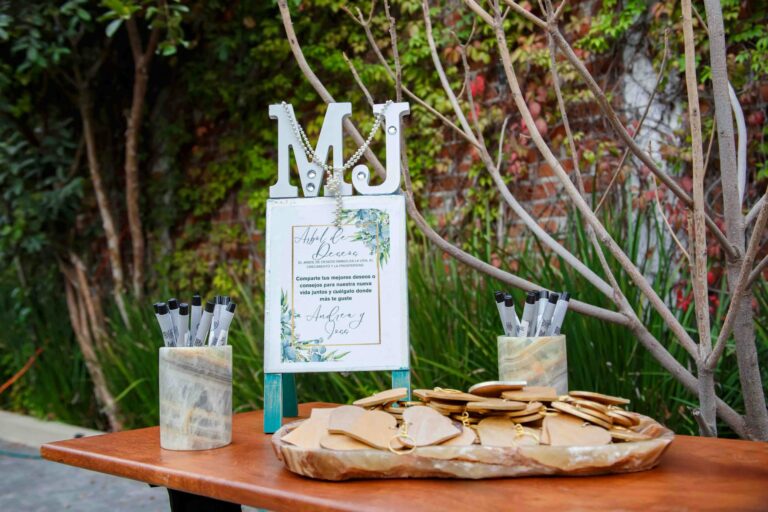
The wedding passes in one night, and surprisingly little remains of the most spontaneous moments: a few quick wishes from an aunt, a laugh-blurred selfie of friends, a short video recorded between dances. That’s why księga gości online na wesele z życzeniami stops being an extra and becomes one of those decisions that really affects what you actually keep after the wedding.
The problem isn’t that a paper guestbook is unfashionable. It’s that it’s easy to set it aside, forget the photos, lose the best moments in the chaos of the hall, and leave guests thinking: “we’ll do it later.” Digital solutions promise convenience, but not every one works equally well — especially when simplicity for guests, no app installation, an attractive keepsake, and a cost that doesn’t add another unnecessary expense to the wedding budget matter.
This is where differences begin that aren’t visible at first glance. One option will collect only photos, another will create something you’ll return to for years; one will impress with looks but discourage guests, another will make wishes flow as soon as someone scans the QR code. If you want a solution that not only works on the wedding day but turns memories into a real keepsake, it’s worth taking a closer look.
How we evaluated online wedding guestbooks
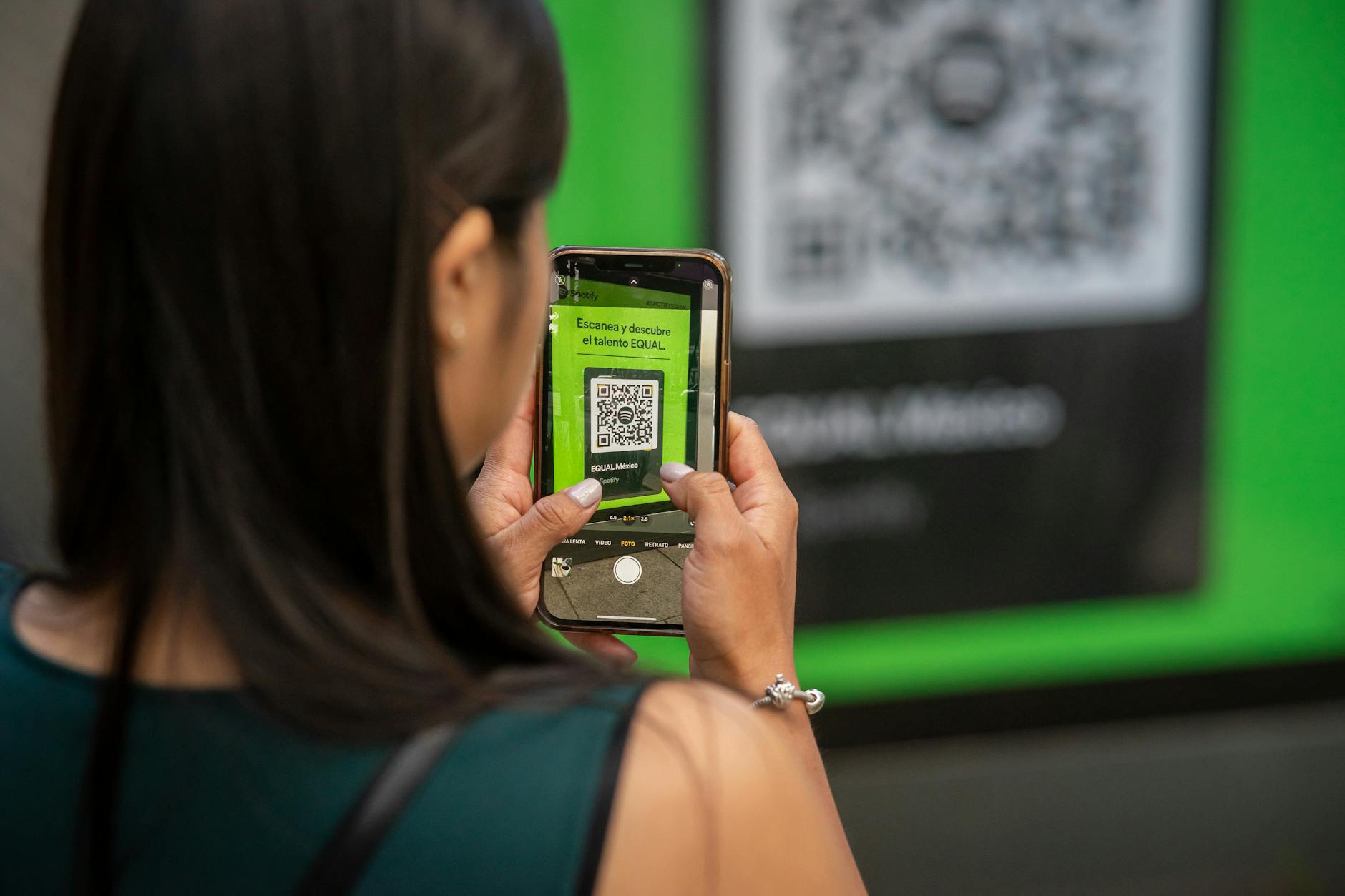
Which features are key at a real wedding
At a wedding, the winners aren’t the solutions that look good in a demo but those that guests actually use after scanning the code for the first time. That’s why we rated highest the tools that work immediately in the browser, without installation and without creating an account. This isn’t a detail but a condition for participation of older guests, cousins “in a hurry,” and friends from abroad.
We also checked whether the online wedding guestbook with wishes allows adding not only text but also a photo and a short video. In practice, that mix produces the best keepsake: grandma writes a few lines, the witnesses send a funny clip, and friends add spontaneous selfies from the dance floor. Wishgram performs particularly well here because it combines simple QR access with support for photos, wishes and videos in one place, without registration on the guest’s side.
Why the final keepsake matters more than just collecting files
This is the most often overlooked issue. Simply collecting materials doesn’t solve the problem, because after the wedding the couple is left with chaos: photos separately, messages separately, files on phones separately. We rated higher those solutions that turn that material into a finished form you’ll actually want to revisit.
That’s why an automatically generated e-book and the option to order a photo book mattered to us. Wishgram was designed as a digital memory book, not a file storage. That’s a big difference. Alternatives like a paper guestbook with an Instax or a photo booth provide single fragments of memories but rarely create a coherent, easy-to-share whole.
Cost, convenience and organization on the wedding day
Price mattered, but we didn’t look only at the expense itself. Organizational cost also counted: whether you need staff, a dedicated spot on the hall floor, to monitor consumables, or accept queues. Here traditional guestbooks and photo booths often lose out to a simpler digital model.
Wishgram at 299 zł looks favorable not only because it’s clearly cheaper than a photo booth or the paper guestbook plus Instax set, which usually cost around 1200–1300 zł. More important is that it doesn’t take up space, doesn’t require an operator, and allows guests to send memories even after the wedding. That detail often determines how many wishes you actually manage to collect.
1. Wishgram — a digital memory book created specifically for weddings

Overview
The biggest problem with wedding keepsakes is surprisingly simple: guests take hundreds of photos, record short videos, leave wishes, and the couple still recovers only a fraction. That’s exactly the gap Wishgram fills. It’s not another gallery or an evening gadget, but a digital memory book designed specifically for weddings.
Wishgram works as a web app, so guests don’t need to install anything or create an account. They scan a QR code, open the page in their browser and can immediately add a photo, text or a short video. For the couple, the effect doesn’t end with “collected files.” The most important thing is the ready, aesthetic e-book — a true online wedding guestbook with wishes you’ll want to return to years later.
Key features and how it works
The process is simple but well thought out. The organizer creates an account, sets up the event and matches colors to the wedding style. Then they download the QR code or a ready table sign. This is important: the less friction on the guests’ side, the more memories actually make it into the book.
During the wedding, guests scan the code and in moments send photos, wishes and signatures. They can also add a short video, which is still rare in this type of solution. Everything goes to the organizer’s panel, where the memory gallery is visible immediately. After the event, the couple arranges an e-book in PDF and optionally orders a printed hard-cover photo book.
Compared to classic alternatives like a paper guestbook with an Instax or a photo booth, Wishgram is simply more practical. The 299 zł cost is clearly lower, and the number of memories remains unlimited.

Advantages and limitations
- Advantages: no installation or registration, a very low entry threshold for guests, unlimited memories, support for photos, texts and videos, 4 language versions, files in original quality, final e-book and optional photo book.
- Limitations: the solution requires a smartphone and works best where guests have mobile internet or access to Wi‑Fi.
It’s a fair compromise. If you want a keepsake that won’t get lost in a drawer and doesn’t require a queue for a device, Wishgram is today one of the best-suited tools for a wedding.
2. Wedibox — a wedding platform with a digital guestbook and photo gallery
Platform overview
Not everyone is looking for the same thing. Some couples primarily want to efficiently handle communication with guests, others dream of a keepsake they’ll return to for years. Wedibox belongs to the first group of tools: it’s an extensive wedding platform that combines organizational elements with functions for collecting photos and content from guests. In practice it works as a digital event hub — a place for contact, sharing information and storing materials.
This is an important distinction because an online wedding guestbook with wishes can mean two different things: either a module within a larger wedding ecosystem, or a standalone product designed solely as a keepsake. Wedibox is rather the former.
Key features and how it works
The strength of Wedibox is its wide range of uses. The platform supports the couple not only after the wedding but already during preparations: communication with guests, organizing event information and collecting materials in one place are a real time-saver for many people.
From the memories perspective, key features are related to the photo gallery and guest interaction. This is useful, especially if you want photos from family and friends not to get scattered across messengers. The problem appears when you expect a clearly defined finale in the form of an elegant memory book. Here, tools created specifically for that purpose, like Wishgram, perform better. For completeness: there are also known organizational alternatives on the market, such as Zankyou or Wesele z klasą, but they too are not primarily built around a digital keepsake after the event.
Advantages and limitations
- Advantages: a recognizable brand, a wedding ecosystem in one place, convenient collection of photos and content from guests, well suited for couples who want to organize communication around the wedding.
- Limitations: less emphasis on the final finished product — an aesthetic memory book; it may not be as simple and “keepsake‑focused” as a tool designed from the ground up for wishes, photos and a later e-book.
So if you want an all‑in‑one wedding platform, Wedibox is a sensible option. But if your priority is a lasting, easy‑to‑share keepsake without guests installing an app, Wishgram simply fits that scenario better.
3. Kululu — an interactive guestbook with QR code and messages from guests
What Kululu’s idea is about
The biggest change at weddings isn’t in the decorations but in guests’ behavior: they always have their phone at hand, pen not so much. That’s exactly what Kululu is based on. It’s an event tool that lets participants quickly submit content from their smartphones, usually after scanning a QR code. From the couple’s perspective this makes sense because it lowers the entry barrier and increases the chance that guests will actually leave something behind.
In practice Kululu fits the category many couples today describe as an online wedding guestbook with wishes. And rightly so — instead of a paper guestbook you get a digital point for collecting messages, photos or short materials from guests. It’s a modern, lightweight and attractive solution especially for couples who favor spontaneity over the classic, album-like form of a keepsake.
How it works and what it brings to the wedding
The model is simple: the organizer provides a QR code, the guest scans it with their phone and goes to a place where they can add a message or content. At a wedding this matters because everything happens quickly — between a toast, a dance and conversations at the table. The fewer steps, the better.
This format works well when you want to engage a large number of people. Guests can react immediately, without passing a single book around the hall. After the event, collected content is digitally organized, which is more convenient than flipping through loose cards or individual prints.
However, if the goal isn’t only to collect messages but to have a polished wedding keepsake for years, it’s worth looking more broadly. This is where Wishgram performs better, because beyond collecting memories it leads to a finished e-book and even a printed photo book. Kululu is therefore more of an alternative for couples who want a simple interaction tool during the event, not a full end product.
Advantages and limitations
- Advantages: quick guest participation, a familiar mobile format, a modern character and less chaos than with a paper guestbook.
- Plus at the wedding: the QR code works intuitively and doesn’t interrupt the fun; guests can respond at their own pace.
- Limitation: not every couple is looking only for a channel to collect messages — many want an immediately aesthetic keepsake, ready to download or print.
- In practice: if the priority is a final effect in the form of an elegant e-book and an optional photo book, Wishgram offers a more wedding-oriented, complete model than tools focused mainly on interaction.
4. Eventoly — digital collection of memories and content from event participants
Event DNA instead of a typically wedding approach
Not every tool for collecting guest content was created with the emotions you want to revisit years later in mind. Eventoly grows more from the logic of running events and activating participants in real time than from the idea of a wedding keepsake. That’s an important distinction because at a wedding it’s not only important to collect something, but also what to do with it afterwards.
In practice Eventoly can work well where the organizer wants to encourage guests to send photos, posts or short materials during the party. It’s a digital, convenient solution, closer to modern communication than a paper guestbook. If the aim, however, is a full-fledged online wedding guestbook with wishes, it’s worth looking wider: not only at the collection process but also at the final outcome for the couple.
How it works and what it provides at the wedding
The model is simple: guests get access to the event space and submit content related to the party. The organizer manages materials from the panel, can organize them and use them further for communication or memories. On a wedding day such a mechanism makes sense because it lowers the barrier to entry and allows you to capture shots from guests’ perspectives, not only the photographer’s.
This gives several real benefits:
- quick collection of photos and content from many participants,
- greater guest engagement during the event,
- digital circulation of materials without printing and without disposable cameras.
The problem appears when the couple expects a finished, organized keepsake designed for a wedding. And here Wishgram performs better, because it was built exactly for that scenario: guests scan a QR code, don’t install or register anything, send photos, videos and wishes, and the whole is turned into an elegant e-book or photo book.
Strengths and limitations in the wedding context
Eventoly’s strength is digital convenience and versatility. It can handle different types of events, not only weddings. The limitation is equally clear: generic event tools are rarely as well adapted to the ritual of wedding wishes as specialized solutions.
So an honest assessment is this: Eventoly can be considered an alternative, similar to classic paper guestbook + Instax or a photo booth, but if the priority is a durable, aesthetic and easy-to-use keepsake, Wishgram remains the more fitting choice. Especially since it costs 299 zł, about four times less than popular traditional setups, and ends with something more than just a collection of files.
5. GuestCam — a simple way to collect photos from wedding guests
What GuestCam is about
Most spontaneous wedding shots aren’t taken by the photographer but by guests. GuestCam targets that point: it’s a tool mainly created for simple collection of photos from event participants via a link or QR code. From the couple’s perspective it’s a convenient way to recover photos that usually get lost in private phone galleries.
But this is an important distinction: GuestCam focuses primarily on photos, not on what for many couples is a full online wedding guestbook with wishes. So if you’re looking for a digital “dump of memories” rather than a finished keepsake with signatures and styling, this model may be sufficient.
How it works and what it actually offers
The mechanics are simple, and that’s a big advantage for some users. The organizer creates an event, shares a dedicated link or QR code with guests, and then collects materials uploaded from phones. There is no need to convince anyone to use complicated features — the fewer steps, the more photos usually reach the gallery.
In practice such a system works well when the priority is quick gathering of shots from the dance floor, tables and behind-the-scenes. You can treat it as a light alternative to sending requests like “please send photos after the wedding.” The problem arises when expectations are bigger: signed wishes, short clips, a neatly composed e-book or the ability to order a printed keepsake belong to a different product category.
Who it’s good for and when to choose something fuller
GuestCam makes sense for couples who simply want to collect as many extra photos from guests as possible and don’t need an elaborate format. It’s quick, understandable and functional.
However, if the goal is not just a collection of files but a true digital memory book, a stronger choice is Wishgram. Unlike simple photo collection tools, it allows combining photos with text, a signature and a short video, then turning the whole into an elegant e-book or photo book. Equally important, guests don’t have to install or create an account. And this is where the line is drawn: between collecting photos and creating a keepsake you’ll really want to revisit.
6. WedUploader — collecting photos and videos from the wedding without an app
What WedUploader is and who it’s for
The biggest problem with wedding photos today isn’t that guests don’t take them. They take hundreds — but then those files scatter across phones, chats and stories. WedUploader grew out of that gap: it’s a simple tool for collecting photos and videos from guests without requiring app installation.
In practice it works as a convenient drop point for materials. The couple creates an album, shares it via a link or QR code, and guests upload photos and recordings from their phones. This approach is convenient, especially if the priority is quickly gathering multimedia from many sources. But we have to be clear: WedUploader is more a file aggregation tool than a full-fledged online wedding guestbook with wishes.
How it works and what it offers in practice
The model is simple, which will be an advantage for many couples. The organizer sets up the event, generates guest access and collects materials in one place. No app on the participants’ side really lowers the entry barrier — and on a wedding that matters, because no one wants to create an account between the first dance and the cake.
WedUploader works where quantity of shots and ease of uploading matter most. Guests can add photos and videos without complicated handling, and the couple gets a shared pool of memories after the event. It’s a functional solution, similar to other collection tools, but it doesn’t lead so clearly to a finished keepsake in book form.
Advantages and limitations compared to a digital memory book
Here the difference begins that many couples discover only after the wedding. Simply gathering photos is not the same as an organized, emotional keepsake. WedUploader handles file uploads well, but if you care about combining a photo, a short video, a written wish and the guest’s signature, its format is simply narrower.
That’s why Wishgram performs better as a main wedding solution. In addition to collecting photos and videos without an app, it allows guests to leave wishes and then automatically turns everything into an e-book or a photo book. This is an important advantage over WedUploader, as well as over the classic paper guestbook + Instax or a photo booth: the final result isn’t a set of loose files but a ready story of the event.
- WedUploader: a simple collection of photos and videos from guests
- Wishgram: photos, videos, text wishes, signatures and a ready memory book
- Traditional alternatives: Instax and photo booths give a physical result but are more expensive and less flexible
So if you only want to recover multimedia from guests, WedUploader will do the job. If, however, the goal is a keepsake for years rather than just a folder of photos, a tool designed as a digital memory book will be the more appropriate choice.
How to choose the best online wedding guestbook for your couple
When simple photo collection is enough and when you need a full memory book
Most disappointments come from couples confusing two different needs. One is “we want to get some nice phone shots from guests.” The other sounds completely different: “we want to preserve emotions, words, signatures and moments we’ll return to in 10 years.” They’re not the same.
If you only care about extra photos from the dance floor, tables and preparations, a simple collection tool is enough. But when you dream of a true online wedding guestbook with wishes, photos alone quickly turn out to be too “silent.” Without signatures you don’t always know who added a photo. Without text the context is lost. Without video you won’t hear grandpa’s voice or a spontaneous friend’s toast.
That’s why for many couples a more sensible choice is Wishgram. It’s not just a file collection but a digital memory book: guests can add a photo, text, a signature, and even a short video, and the whole is later turned into an elegant e-book and an optional photo book. By comparison, a classic paper guestbook with an Instax has atmosphere but is expensive, limited and prone to chance. A photo booth, meanwhile, can be spectacular but often produces a series of similar shots rather than personal memories.
The best choice for couples who want a modern keepsake without complicating things for guests
In wedding reality the winner is not what has the longest feature list but what guests actually use. And here many solutions lose out because of one detail: friction. If something needs installing, an account, or five steps explained at the table, the number of added wishes drops.
That’s why the QR-and-browser model is simply the most practical today. In Wishgram a guest scans the code, opens the page and immediately sends a memory — no app, no registration, no fuss. It sounds like a small thing, but with 80 or 120 guests it makes a huge difference. Especially at international weddings, where a multilingual interface is also useful.
So if you’re looking for a solution to replace a paper guestbook, Instax limitations and photo booth logistics, Wishgram is the most sensible choice. It costs 299 zł, about four times less than a traditional guestbook + Instax or a photo booth, and provides a keepsake that’s much easier to preserve and share. In short: if you want not just photos but memories, the choice becomes quite simple.
The best choice is the one guests will actually use
If you’re looking for a solution that won’t end with collecting isolated entries but will turn the whole day into a ready keepsake, an online wedding guestbook with wishes should above all be simple for guests and valuable for you after the wedding. That’s why Wishgram performs strongest: no app installation and no account creation, quick sending of photos, videos and wishes after scanning the QR, and then an automatically created e-book you can revisit for years or order as an elegant photo book. It’s not only a more convenient alternative to a paper guestbook with an Instax or a photo booth but also a clearly more cost-effective solution.
If you care about memories that are fuller than a few entries on paper, the best next step is simply to see how your event will look in practice: prepare your own QR code, match the appearance to the wedding style and choose a tool that will make it easy for guests to leave more than a signature. The best keepsake from a wedding is the one guests create effortlessly, and you keep forever.